
Hamster vs. Guinea Pig
Which pet is right for you?
Small Animal
Feed FAQ
Where
To Buy
Hamster vs Guinea Pig: Which Pet is Right for You?
If you’re comparing a Hamster vs Guinea Pig, chances are you’re in the consideration phase of choosing the best small pet for you, your kids or your family. Both animals are adorable, relatively compact, and popular with first-time pet owners—but they have very different care needs, personalities, and long-term commitments.
Before you decide, it’s important to understand the key hamster and guinea pig differences, including temperament, housing, cost, and small pet lifespan. Let’s break it down so you can confidently choose the best fit for your home.
Personality & Temperament
One of the biggest hamster and guinea pig differences is how they interact with people.
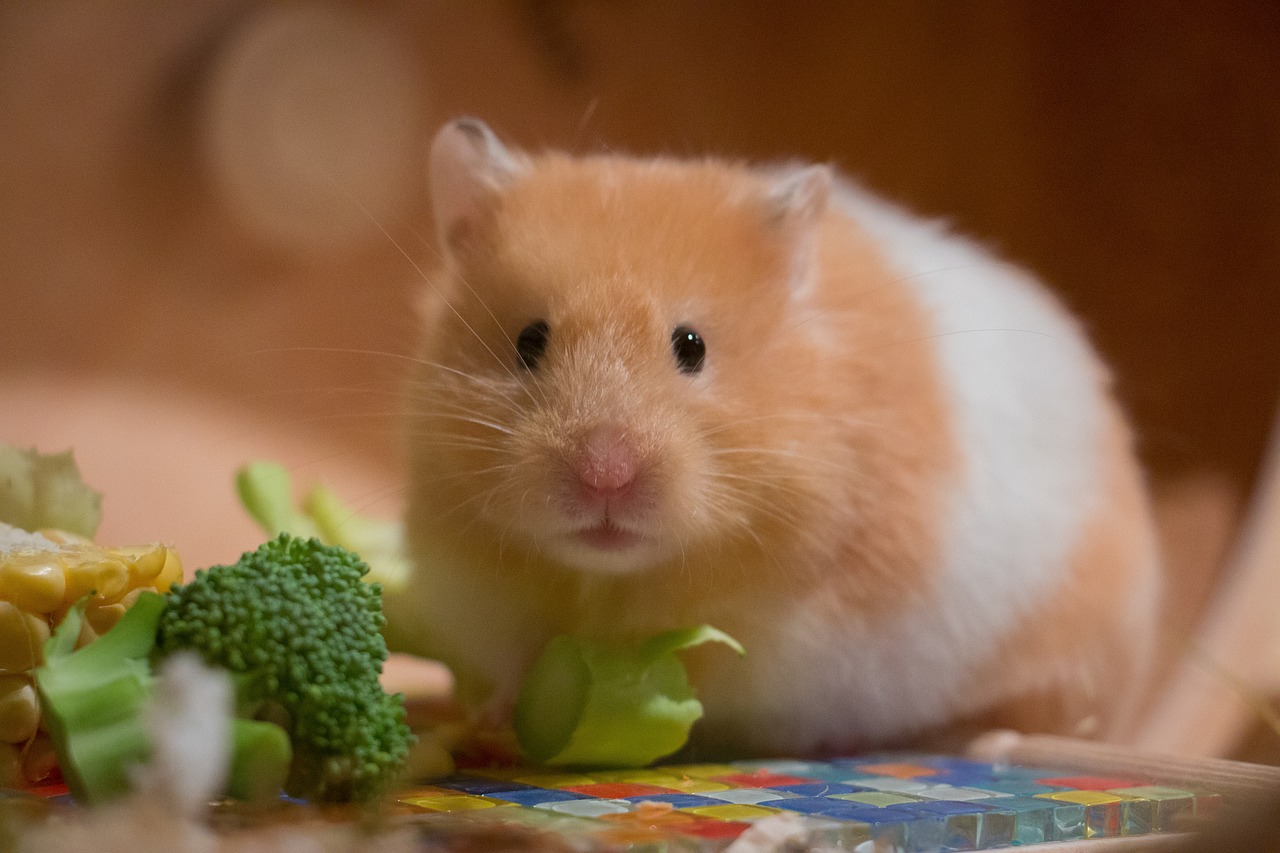
Hamsters
Popular breeds like the Syrian Hamster and Roborovski Hamster are typically solitary animals. Most hamsters prefer living alone and may become territorial if housed together. They are also nocturnal, meaning they’re most active in the evening and at night.
Hamsters can be gentle and fun to watch, but they’re small and quick. Younger children may find them harder to handle safely.
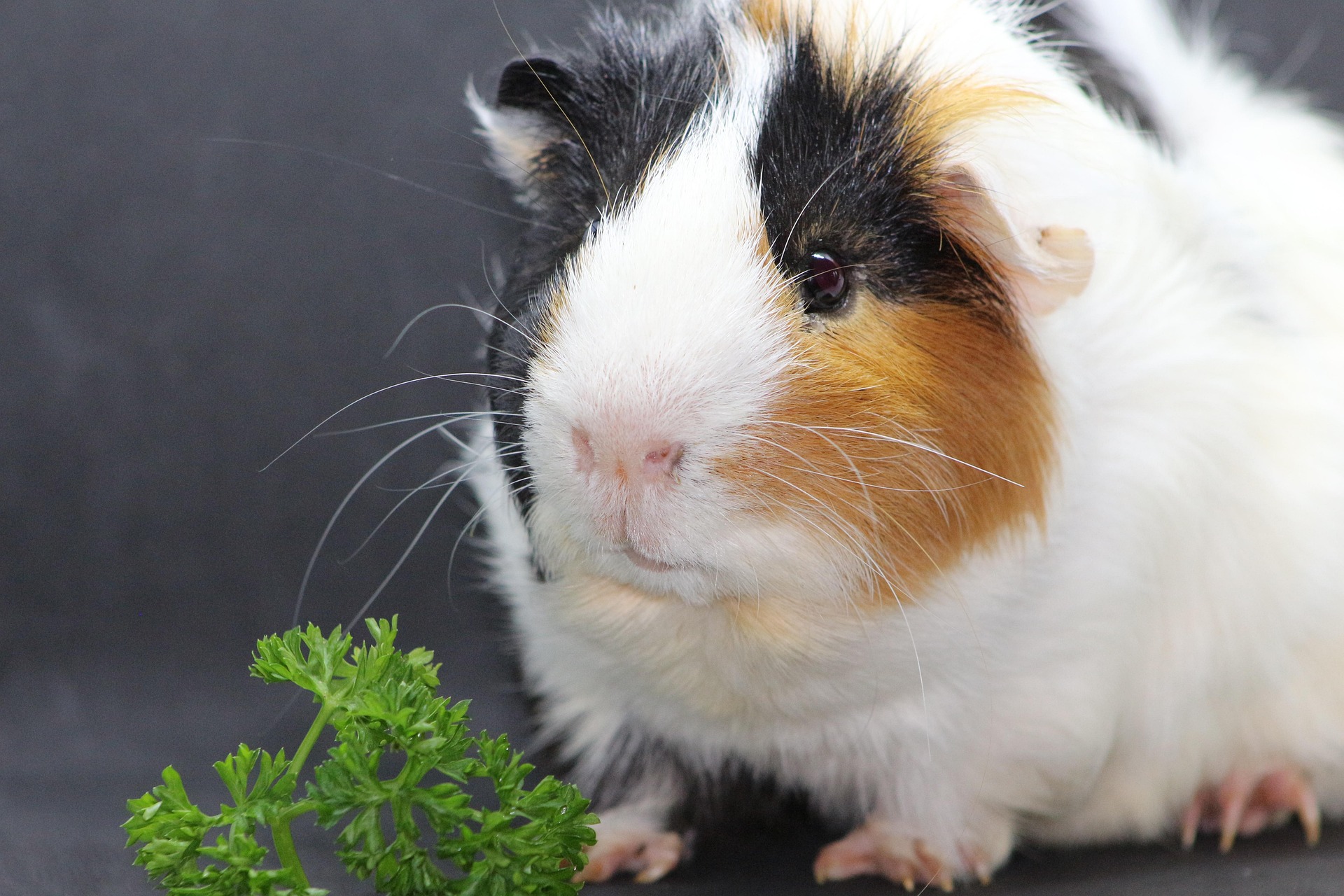
Guinea Pigs
Common breeds such as the American Guinea Pig and Abyssinian Guinea Pig are social animals. Guinea pigs thrive in pairs or small groups and are generally awake during the day, making them easier for kids to interact with.
They’re typically more docile, larger, and easier to hold than hamsters. Many guinea pigs enjoy lap time and will “wheek” (a high-pitched squeak) when they recognize their owners.
Best small pets for kids?
For very young children, guinea pigs are often easier to supervise and handle. For older kids who understand gentle handling and nighttime activity, hamsters can be a great choice.
Housing & Space Requirements
When comparing a Hamster vs Guinea Pig, the amount of space available to house them is a major factor.
Hamsters
Hamsters require a well-ventilated cage with deep bedding for burrowing, a solid exercise wheel, tunnels, and enrichment toys. While small, they can need more space than starter cages provide.
Guinea Pigs
Guinea pigs require significantly more floor space. They need a large enclosure (often 7.5+ square feet for two pigs), hideouts, constant access to hay, and room to roam.
If you’re limited on space, a hamster enclosure may be easier to accommodate. However, guinea pigs benefit greatly from larger habitats and regular supervised floor time.
Diet & Daily Care
Another key hamster and guinea pig difference is diet and their daily care routine.
Hamsters
Hamsters diets include:
- Fortified pellets
- Small amounts of fresh vegetables
- Occasional treats
- Fresh water daily
Guinea Pigs
Guinea pigs have more specialized dietary needs. They require:
- Unlimited grass hay
- High-quality pellets
- Fresh vegetables & water daily
- Vitamin C supplementation (they cannot produce their own)
Guinea pigs generally require more daily maintenance due to their diet and larger enclosures.
Cost of a Guinea Pig vs Hamster
Upfront and ongoing expenses are important when evaluating the cost of guinea pig vs hamster.
Hamsters
- For initial setups, hamsters typically have lower startup costs (cage, wheel, bedding, food).
- Hamsters consume less food and bedding which equals less ongoing costs.
Guinea Pigs
- Guinea Pigs have higher initial investment due to larger enclosure, hay storage, and often adopting in pairs.
- Guinea pigs require constant hay, fresh produce, and larger bedding quantities which increases ongoing costs.
Veterinary care for both animals can add up, especially since exotic pet vets may charge more than traditional dog or cat visits. Overall, guinea pigs generally cost more long-term than hamsters.
Small Pet Lifespan
Your commitment timeline matters when choosing between a hamster vs guinea pig.
- Hamsters typically live 2–3 years.
- Guinea pigs often live 5–8 years, sometimes longer with excellent care.
If you’re looking for a shorter-term commitment, a hamster may fit better. If you’re ready for a longer relationship and responsibility, a guinea pig offers more years of companionship.
Noise & Activity Levels
- Hamsters are usually quiet but can be noisy at night (running on wheels, rearranging bedding).
- Guinea pigs are vocal during the day and communicate frequently with squeaks and chirps.
If your child’s bedroom is the only place for a cage, nighttime noise from a hamster may be disruptive.
So … Which Is Right for You?
When deciding between a Hamster vs Guinea Pig, it really comes down to your space, schedule, budget, and the level of interaction you’re hoping for. If you live in a smaller home, prefer a lower upfront investment, and are comfortable with a nocturnal pet that requires a shorter commitment, a hamster may be the better fit.
On the other hand, if you have room for a larger enclosure, are prepared for the higher ongoing cost of guinea pig vs hamster care, and want a social, interactive pet that tends to be more hands-on during the day, a guinea pig may be ideal. Carefully considering these hamster and guinea pig differences, especially personality, care needs, and small pet lifespan, will help you choose the option that best aligns with your family’s lifestyle.
Choose a Hamster If:
✔ You want a lower upfront cost
✔ You have limited space
✔ You’re comfortable with a nocturnal pet
✔ You prefer a shorter small pet lifespan
Choose a Guinea Pig If:
✔ You want a social, interactive pet
✔ You’re ready for a longer commitment
✔ You have room for a larger enclosure
✔ You’re looking for one of the best small pets for kids
Final Thoughts
Both hamsters and guinea pigs can make wonderful companions when matched with the right family. Understanding the true hamster and guinea pig differences, especially in space, cost, personality, and small pet lifespan, will help you make a confident, informed decision.
The best small pet for kids (or adults!) ultimately depends on your lifestyle, budget, and level of daily involvement. Choose the pet that fits your home and not just the one that looks cutest at the store.
For more information, visit our Small Animal FAQ page for details on diet, nutrition, feeding schedules, health and more.