
Balancing Life & Barn Time
Practical horse care tips for busy owners
About Our
Horse Feed
Dr. Bray's
Corner
Equine
Nutrition FAQ
Where
to Buy
How to Balance Life & Barn Time: Practical Horse Care Tips for Busy Owners
Between work, family commitments, travel, and everyday responsibilities, it’s easy for routines to shift. For recreational horse owners, balancing life and barn time can feel overwhelming. The good news? Horses thrive on consistency, but they’re also adaptable within reason.
When life gets hectic, the key isn’t perfection but knowing where you can be flexible and where consistency truly matters. Here’s how to responsibly fit horse care into a busy schedule without compromising your horse’s health and well-being.
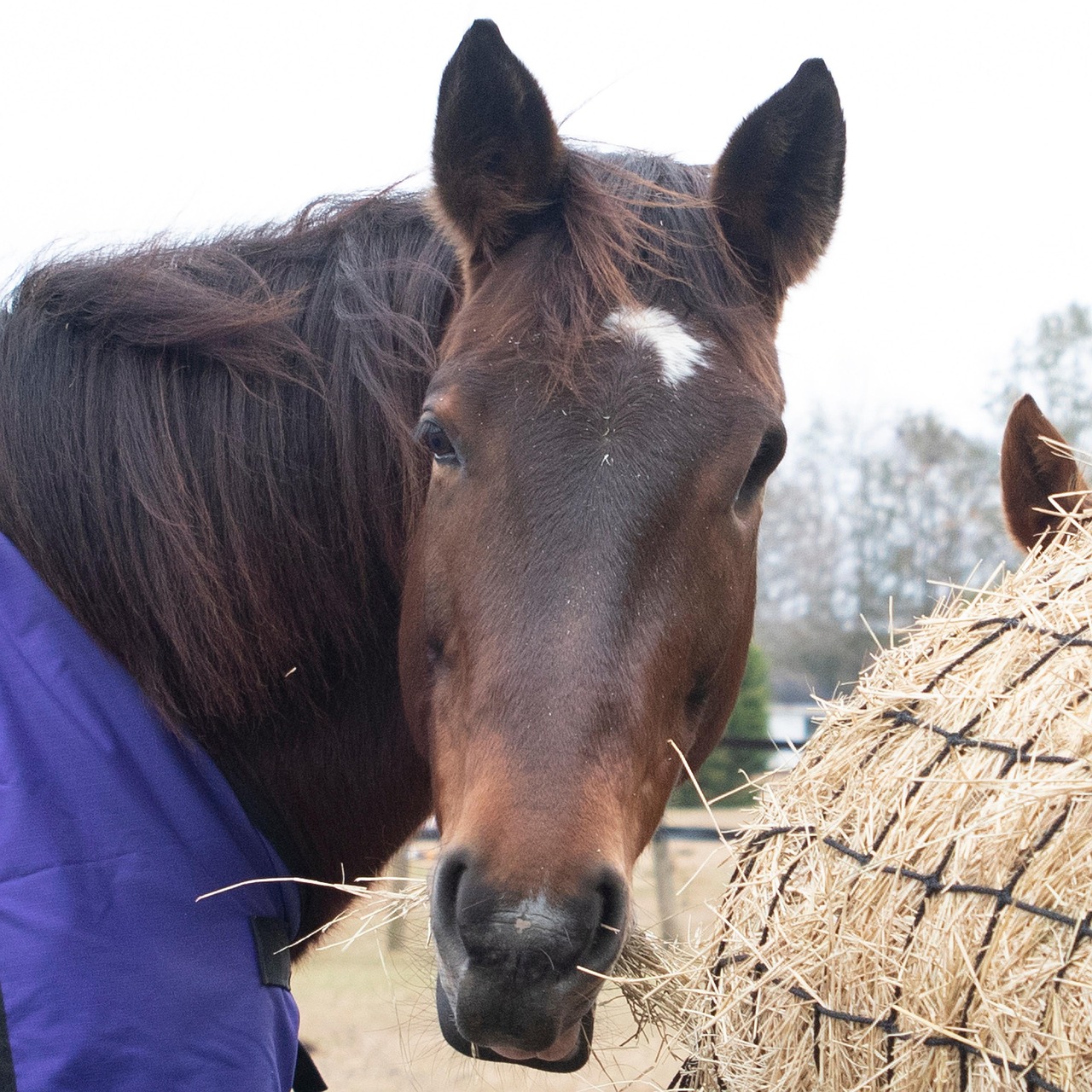
Keep Feeding Times as Consistent as Possible
Horses are creatures of habit, especially when it comes to feeding. Their digestive systems are designed for steady intake of forage throughout the day.
Reasonable:
Adjusting feeding time by about an hour earlier or later is typically safe for most horses. Small schedule shifts due to work or appointments usually won’t cause issues.
Use Caution:
Being three to four hours late can create problems — particularly for horses that are meal-fed grain and do not have access to hay between feedings. Long gaps without forage can increase the risk of digestive upset and discomfort.
If your schedule is unpredictable, consider using slow hay feeders to extend forage availability and reduce “empty stomach” time. This supports digestive health and helps prevent boredom.
Adjust Turnout — But Don’t Eliminate It
Daily turnout supports both physical and mental health. Movement promotes circulation and joint function, while social interaction reduces stress.
Reasonable:
Shortening turnout time on a busy day is generally fine. Most horses will use initial turnout to stretch, explore, and interact with pasture mates, which helps meet their social needs.
Not Ideal:
Skipping turnout entirely for extended periods can lead to stiffness, excess energy, and behavioral issues. Even brief movement is better than none. If you’re tight on time, consider hand-walking for 10–15 minutes or allowing limited paddock access rather than skipping turnout altogether.
Stall Cleaning: No True Days Off
Clean stalls are essential for respiratory health, hoof condition, and overall comfort.
Reasonable (Occasionally):
On a particularly busy day, removing obvious manure piles and wet spots may suffice temporarily.
Use Caution:
Skipping thorough cleaning often creates more work the next day. Built-up moisture increases ammonia levels and can contribute to thrush and respiratory irritation. The reality? There’s rarely a true “break” from stall maintenance. Staying consistent prevents bigger issues down the road.
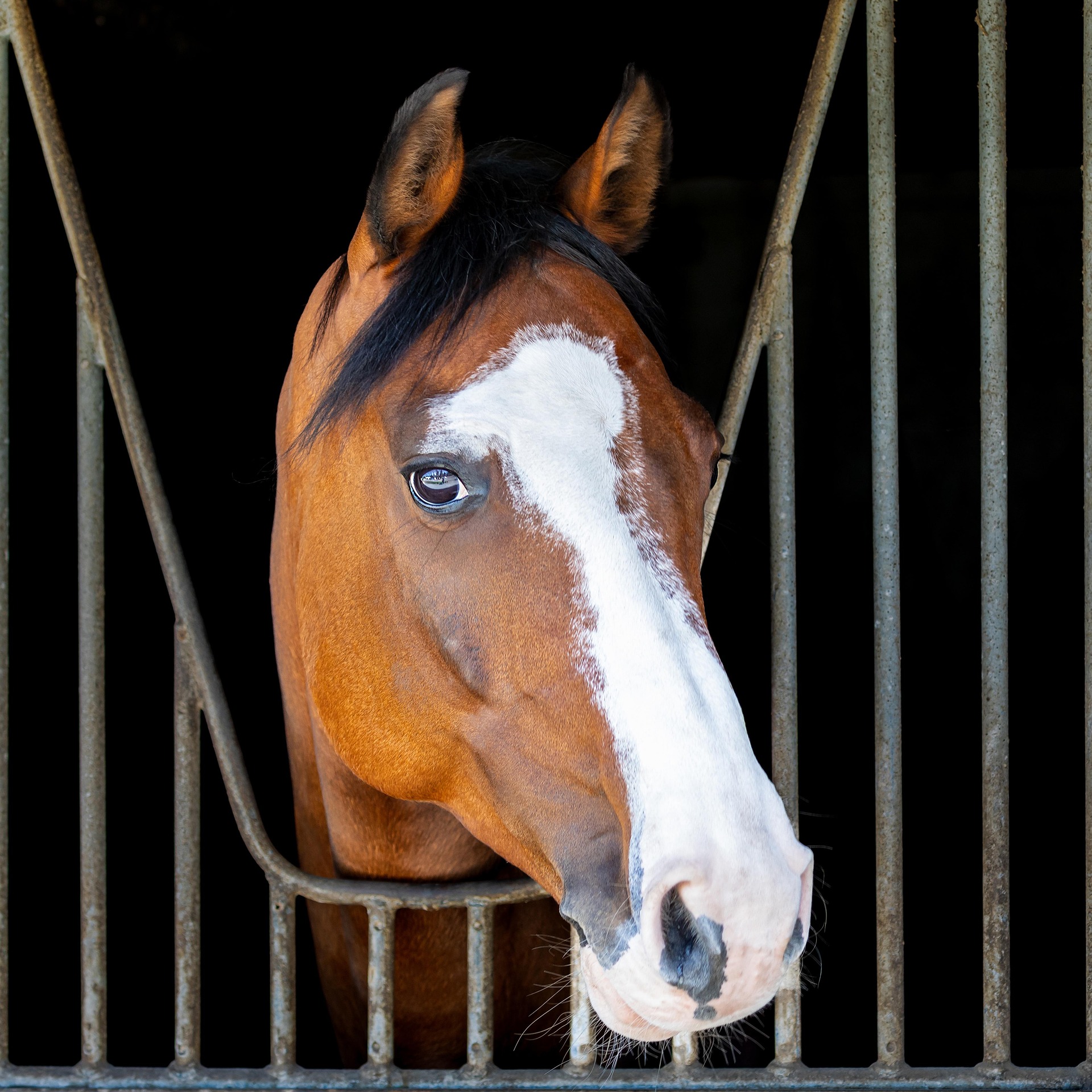
Daily Horse Checks: Non-Negotiable
If there’s one area you should never cut corners, it’s daily inspection. Even when you’re pressed for time, a quick but thorough check can prevent small problems from becoming major ones. Here’s what to look for:
- Changes in feed or water consumption
- Differences in manure frequency or consistency
- Urine output changes
- New swelling, cuts, or heat
- Signs of lethargy or discomfort
Horses are stoic animals. Early detection of issues like colic, dehydration, or lameness depends on daily observation. There are no shortcuts here.
Water: The Most Important Nutrient
Fresh, clean water must be checked every single day with no exceptions. Buckets, troughs, and automatic waterers should be inspected for cleanliness, function, and adequate supply. Water is the most critical daily nutrient your horse consumes.
Ideally, water temperature should remain between 50° and 65°F. Horses tend to drink less when water is extremely cold, which can increase the risk of dehydration and impaction, particularly in colder months. If you’re short on time, prioritize water checks above almost everything else.
Planning Ahead Makes Busy Days Easier
If you know your schedule will be tight:
- Pre-fill hay nets
- Portion grain ahead of time
- Arrange for a barn friend or professional help if needed
- Keep a simple checklist to ensure nothing is overlooked
A little preparation goes a long way in maintaining consistency.
Consistency Over Convenience
Owning a horse isn’t just a hobby but an important daily responsibility. While small adjustments are sometimes necessary, consistency remains the foundation of good equine management.
Being flexible in minor areas (like slightly shifting feeding times or shortening turnout) is reasonable. Cutting corners on inspections, water, or overall cleanliness is not.
With thoughtful planning and clear priorities, you can successfully fit horse care into a busy schedule while keeping your horse healthy, comfortable, and thriving.