
Rotational Grazing
Management for livestock
LIVESTOCK FEED FAQ
GRAINS & SIMPLE INGREDIENTS
WHERE TO BUY
Rotational Grazing Management For Livestock
Rotational grazing can improve animal health, protect pasture productivity, and reduce feed costs when the whole system is managed intentionally. Pasture is one of the most valuable feed resources on a farm or ranch, yet it only performs well when grazing pressure is controlled. Leaving animals in one area too long often leads to overgrazing, weaker regrowth, lower forage quality, and more waste across the field.
Rotational grazing helps solve that problem by matching animal movement to plant recovery. It’s also one of the most practical ways to build a stronger grazing livestock feed strategy for cattle, goats, and mixed-species operations.
Multi-Species Grazing Systems Can Improve Overall Forage Use
Multi-species grazing systems can help livestock operations get more value from the same acreage because different animals use pasture in different ways. Cattle usually focus on grasses, while goats are more likely to target broadleaf plants, weeds, and brush. That contrast can lead to more complete forage use and a more balanced pasture over time. This approach can also reduce the heavy selective pressure that happens in single-species grazing.
Instead of one class of livestock returning to the same preferred plants, grazing pressure is spread across a wider range of vegetation. That can help maintain a healthier stand and reduce the amount of mature, underused growth left in the paddock. Mixed grazing plans need structure to work well. Stocking rate, paddock size, water access, and timing all shape the outcome. A good system uses the strengths of each species without assuming they can all be managed the same way.
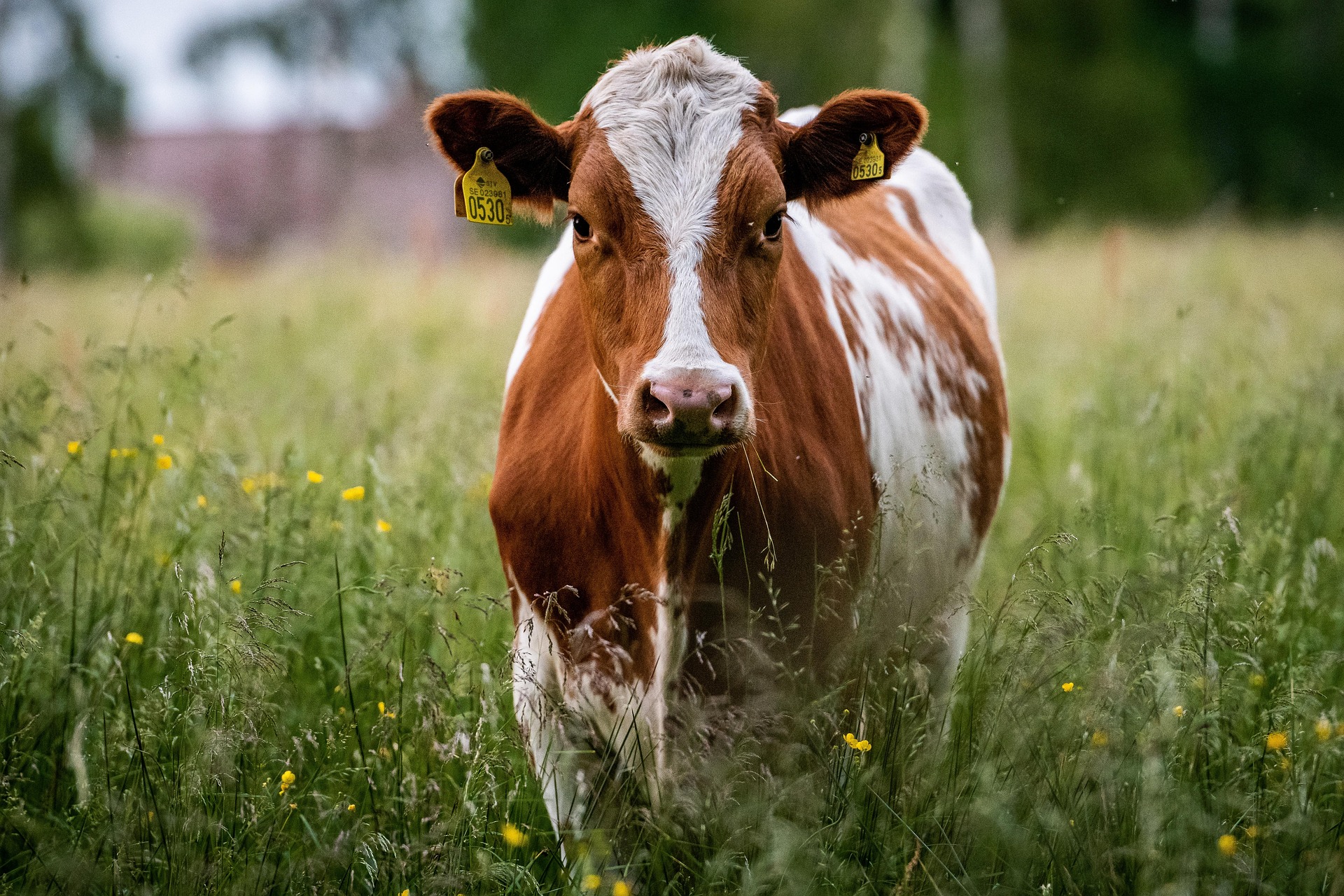
Rotational Grazing Tips Support Better Cattle Performance
For cattle operations, one of the biggest benefits is more consistent access to higher-value forage. In a continuous grazing setup, cattle tend to return to the same preferred plants again and again. Over time, those plants weaken while less desirable growth goes untouched.
Cattle do best when forage intake is steady and predictable. Once pasture gets too short, animals spend more time searching for palatable growth and consume feed that is lower in energy and protein. That can affect body condition, rate of gain, and overall feed efficiency, especially during periods when pasture growth is already slowing.
Rotational grazing helps preserve the leafy part of the plants, which is usually the most digestible and nutrient-dense portion. By moving cattle before a paddock is grazed too hard, producers can keep forage quality at a better level and support more uniform intake. That often translates to a more dependable feeding program.
It also helps producers spot pasture shortages sooner. When paddocks are monitored as part of a rotation, it becomes easier to see when growth is lagging, when stocking pressure is too high, or when supplementation needs to begin before cattle lose condition. That kind of visibility adds real value because it supports earlier, more informed decisions.
Pasture Management For Goats’ Browsing Behavior
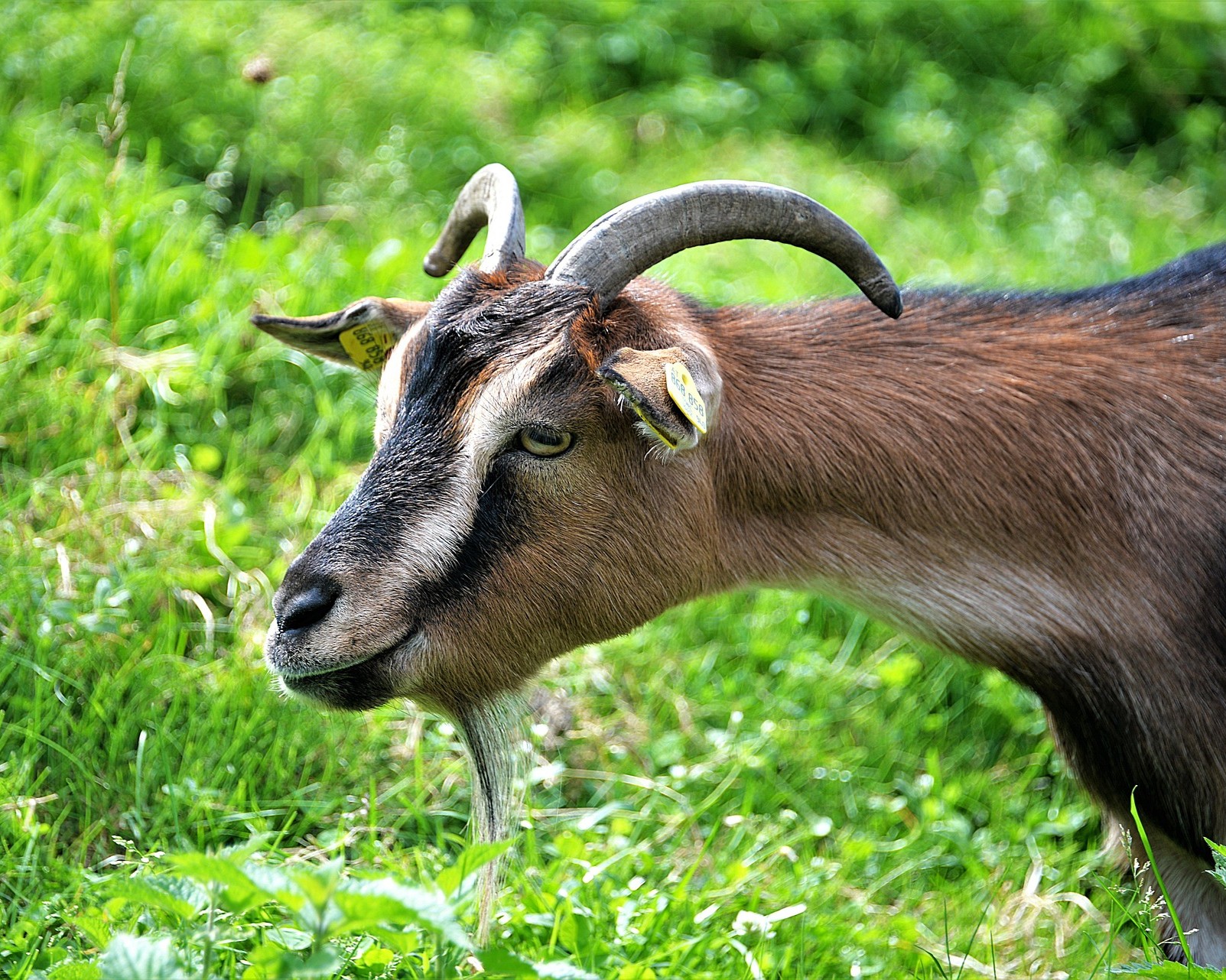
Pasture management, specifically for goats, needs a different approach because goats graze differently than cattle. They are natural browsers and often prefer brush, vines, weeds, and taller broadleaf plants before they focus on grass. A grazing plan that ignores that habit can miss one of the biggest strengths goats bring to a pasture system.
When goats are rotated through paddocks with mixed vegetation, they can help clean up growth from cattle leave behind. That improves forage use across the property and can help keep weedy or brushy areas from taking over productive ground.
Goats are especially useful on pastures that have rough patches, uneven terrain, or a mix of grasses and browse. They still need a balanced feeding program. Browse quality changes through the year, and some paddocks can’t offer enough nutrition on their own during dry periods or slower growth.
In those situations, a dependable supplement helps support body condition and keeps nutrition more consistent. Organic General Livestock Pellets are a practical option for producers who want a clean, straightforward feed to pair with managed pasture.
A Grazing Livestock Feed Strategy Should Follow Forage Conditions
A grazing livestock feed strategy works best when it changes with the pasture. Forage quality is never static. It shifts with weather, stage of plant growth, grazing pressure, and the amount of time each paddock has to recover. That is why regular pasture observation is so valuable. Producers should track plant height, leaf density, regrowth, and how evenly livestock are grazing each area.
Those details help answer practical questions about when to move animals, when to rest a paddock longer, and when feed support is needed. The calendar can guide the season, but the pasture should guide the decision. Supplemental feed is often most useful during periods when forage quantity or quality dips below what the animals need. Used thoughtfully, supplemental feed helps support continuity in the feeding program while giving pastures the recovery time they need.
Better Grazing Management Creates A More Reliable Feeding Program
Rotational grazing gives livestock owners a practical way to improve pasture use, support animal health, and lower feed costs without losing sight of long-term land productivity. When those grazing practices are paired with a dependable grazing livestock feed strategy, the result is a stronger overall feeding program. Supplemental feed for livestock, like Ace Hi 4 Way Mix and Kelley’s 4-Way Mix, can help support that balance when pasture conditions shift.