
Ten Mistakes
New koi pond owners make
Order
Online
About Our
Fish Feed
FISH FOOD
FAQ
Fish Feeding
Instructions
Where
To Buy
10 Mistakes New Koi Pond Owners Make
Caring for koi comes with a learning curve: water can look clean while conditions are changing below the surface, and fish that gather at feeding time can make it difficult to judge how much food they need. Many koi pond mistakes happen while owners are still learning how feeding, filtration, temperature, and fish behavior work together.
With regular observation and a few dependable habits, you can create a healthier environment for your koi and feel more confident caring for them. These beginner koi pond tips cover common pond fish mistakes and explain how to respond in a practical, manageable way.
1) Adding Koi Before the Pond Is Cycled
Taking your time at the beginning can make the transition easier for both you and your koi.
A new pond needs time to develop the beneficial bacteria that process fish waste. This process is often called cycling. The pump and filter may be running, but the biological filter still needs time to become established.
Allow the pond to cycle before bringing koi home. Test ammonia and nitrite during the startup period and wait until both remain at zero before adding fish. Introduce koi gradually, then continue testing as the pond becomes established and the fish settle in.
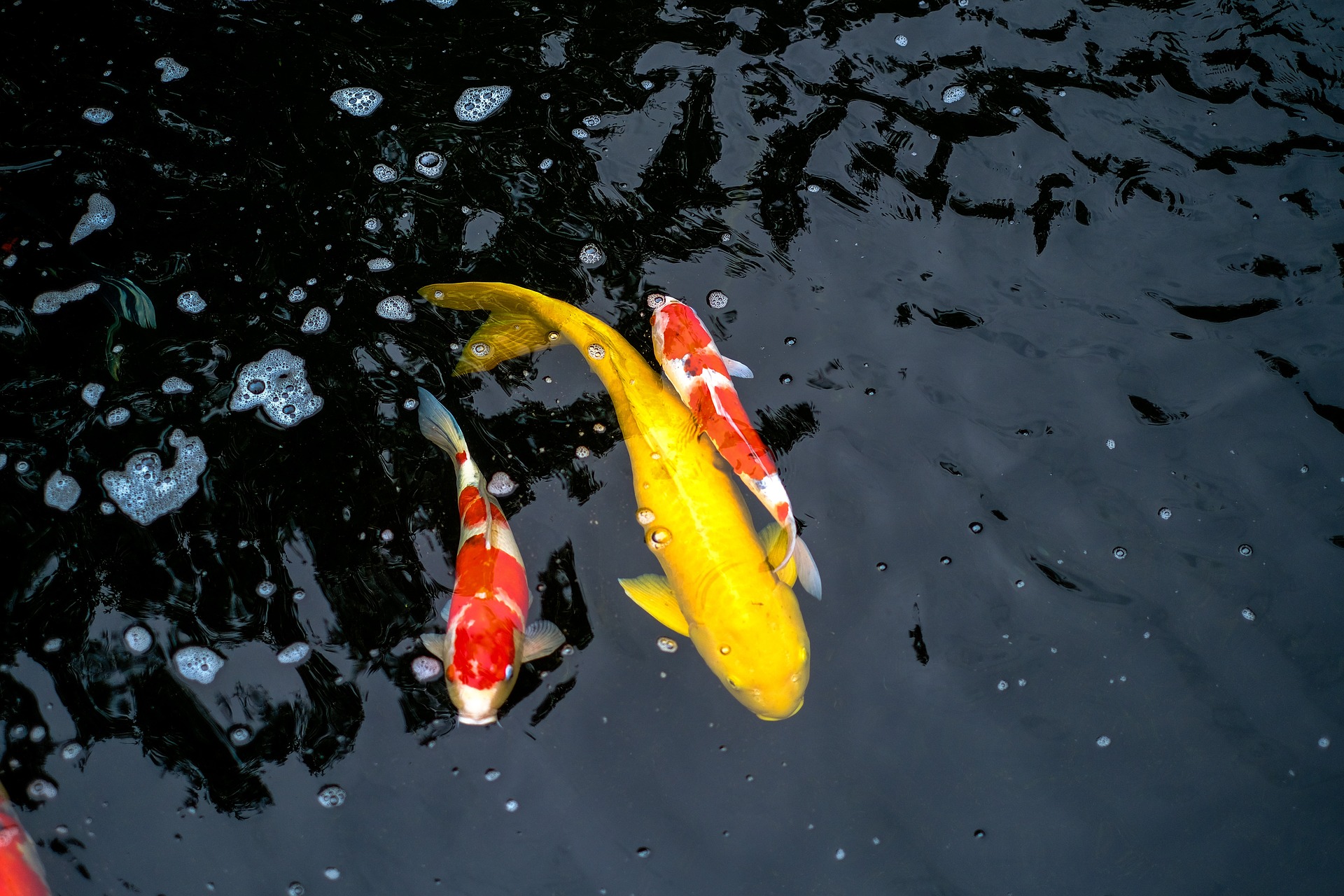
2) Choosing the Number of Fish Based on Their Current Size
Young koi may be small when you first bring them home, but they can grow considerably. As they get larger, they need more swimming space and produce more waste.
Think ahead when deciding how many koi to keep in your backyard pond. Pond volume, depth, filtration, oxygen levels, and open swimming space all play a role. Planning for adult size gives the fish room to grow and helps prevent the filtration system from becoming overwhelmed later.
3) Assuming Clear Water Means Healthy Water
Clear water can still contain ammonia, nitrite, or other compounds that affect fish health. The pond may look fine while the water chemistry is beginning to change.
Use a pond test kit to regularly check ammonia, nitrite, nitrate, and pH. Recording the results can help you see patterns and respond before a small shift becomes more difficult to manage.
Test more often after adding fish, during hot weather, after a heavy rain, or when you notice changes in appetite, breathing, or swimming.
4) Overfeeding Koi
Feeding time is one of the most enjoyable parts of keeping koi, especially when the fish gather at the surface. Their enthusiasm can make it easy to offer more than they need. Overfeeding koi adds uneaten food and extra waste to your pond. Both can place more pressure on the filter and contribute to algae growth.
Offer only enough food that the fish can finish within the feeding period listed on the food package. Floating food lets you see how much the koi are eating and makes leftovers easier to remove. Spread the food around the pond so smaller or less assertive fish have a chance to eat.
5) Feeding the Same Amount Throughout the Year
Koi activity and digestion change with water temperature. They usually eat more during warmer periods and become less interested in food as the pond cools.
Use a pond thermometer and follow the temperature guidance on the food package. Reduce portions when the fish become less active or begin leaving food behind.
A flexible feeding routine can help limit waste and keep your feeding approach in step with the koi’s seasonal needs.
6) Using Filtration That Can’t Keep Up With the Pond
Koi produce more waste as they grow, so filtration needs for your koi pond can change over time. A system that works well for a few young fish may need to be updated as the koi mature.
Choose equipment based on pond volume and the number and size of the fish. Check the components (pump, filter, and water flow) regularly. Slower circulation, clogged intakes, unusual pump sounds, or koi gathering near waterfalls and air stones may be signs that the system needs attention.
7) Cleaning Too Much at Once
It’s natural to want the pond to look clean, but a full scrub can remove some of the helpful bacteria that support water quality. These bacteria live in biological filter media and on surfaces throughout the pond.
Clean in stages instead. Remove leaves, leftover food, and settled debris regularly. Follow the manufacturer’s directions when cleaning filter media, and avoid rinsing all biological components at the same time.
Partial water changes usually create a more gradual transition for the fish than replacing the entire pond volume.
8) Adding Untreated Tap Water
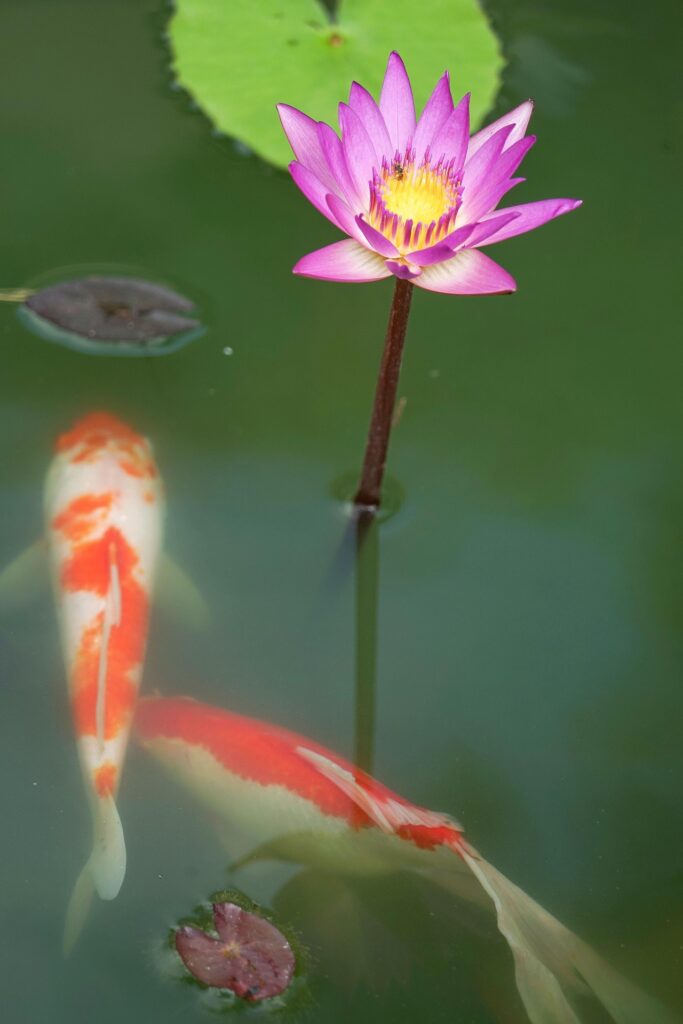
Municipal tap water may contain chlorine or chloramine. These chemicals can negatively affect koi and the helpful bacteria in the pond.
Use a pond water conditioner whenever you add treated tap water. Add the new water gradually and keep an eye on temperature differences.
After a larger water change, test the pond and watch the fish for any changes in behavior.
9) Adding New Koi Without a Quarantine Period
A new koi may carry parasites or illness before you can see any signs. A quarantine period gives you time to watch the fish closely before it joins the rest of the pond.
Use a separate setup with suitable filtration and aeration. Pay attention to appetite, breathing, skin, fins, and swimming. When the koi is ready to move, acclimate it gradually and avoid adding transport water to the main pond.
This extra step helps protect the fish already in your care and gives the new arrival time to adjust.
10) Treating Algae Without Looking at the Whole Pond
Algae growth is connected to many factors: sunlight, available nutrients, water movement, plant coverage, and maintenance. Removing visible algae may help temporarily while the conditions supporting its growth remain.
Review feeding portions, water-test results, filtration, and debris levels before choosing a treatment. Remove decaying leaves and uneaten food. Shade and pond plants may also help when they suit the pond’s design and local climate.
Making changes gradually gives you a better chance to see what is helping.
How to Avoid Koi Pond Mistakes With a Consistent Routine
The most useful koi pond maintenance tips are built around regular observation. Over time, you will become more familiar with how your koi normally eat, swim, and gather in the pond. And recognizing changes can help you know when a fish or your pond needs attention.
Feeding time is also a natural opportunity to check on every koi. Star Milling Koi/Goldfish Float Food stays at the surface, making it easier to observe the fish, manage portions, and remove uneaten food.
Avoiding koi pond mistakes becomes easier as you get to know your fish and the rhythm of your pond. A steady care routine can support cleaner water, healthier koi, and a more enjoyable experience for everyone who spends time by the pond.