
Broody Breaking Your Hen
A guide for chicken keepers
About Our
Poultry Feed
Poultry
Care Corner
Poultry
Products
Grains &
Simple Ingredients
Where
to Buy
How to Broody Break Your Hen: A Guide for Chicken Keepers

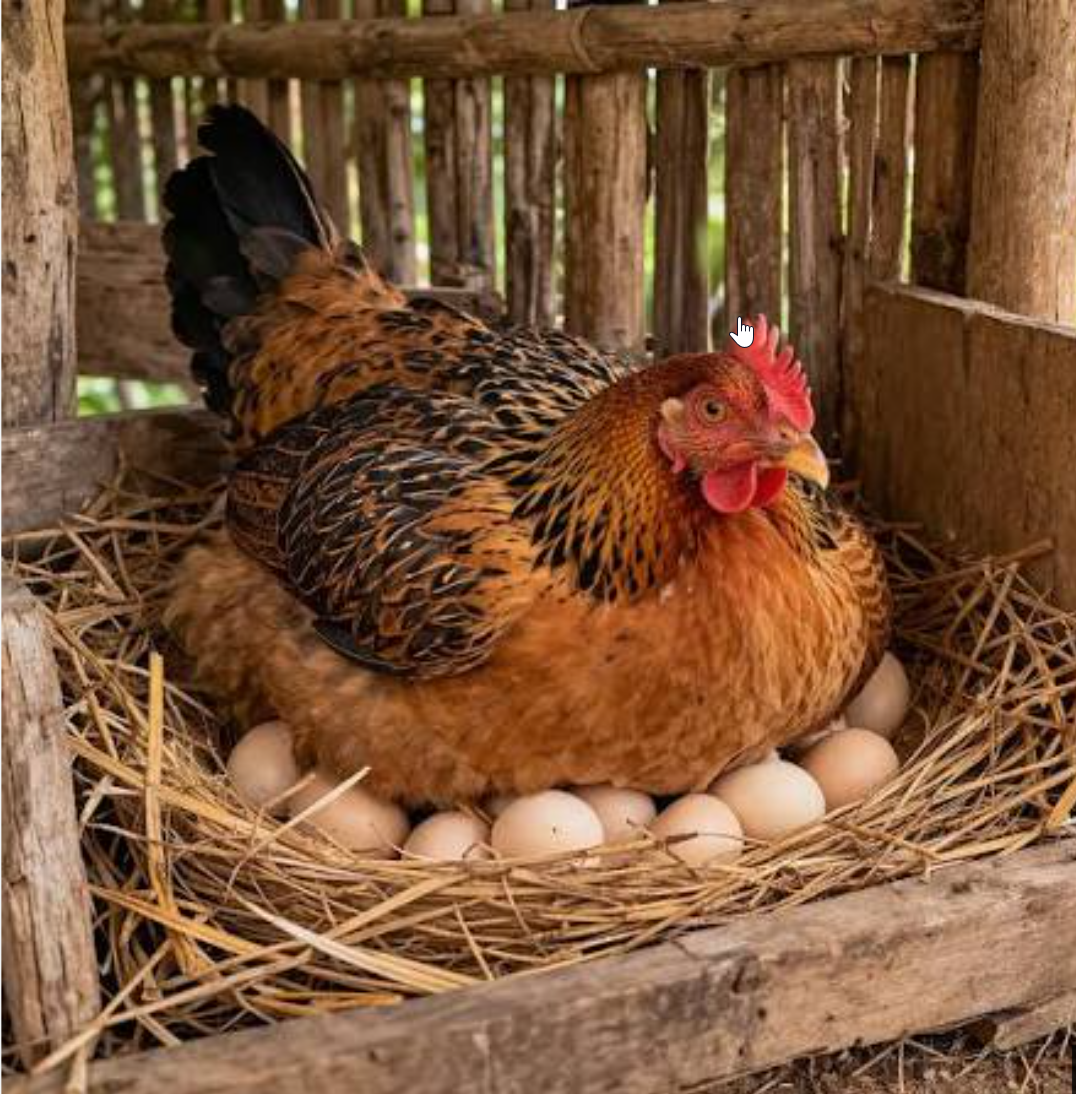
When raising backyard chickens, one common challenge is dealing with a broody hen. But what exactly does this mean? A hen is considered “broody” when she becomes determined to sit on a nest to hatch eggs, even if there are no fertilized eggs present. This behavior is primarily driven by hormones, changes in daylight, and the presence of eggs in the nest. A broody hen is single-minded in her mission, often refusing to leave the nest except to quickly eat, drink, and relieve herself.
While this natural behavior is crucial for hatching chicks, it can pose problems if you don’t intend to raise more chickens. A broody hen will continue to sit indefinitely, which can lead to health issues and an increased risk of parasites. Therefore, it’s important to know how to broody break your hen by gently disrupting her nesting behavior to get her back to her regular routine.
What Is Broody Breaking?
Broody breaking is the process of stopping a hen from remaining in her nesting behavior when you do not want her to hatch chicks. If your hen is spending most of her time in the nest box, puffing up her feathers, making unusual noises, or refusing to leave the nest, she may be broody. Learning how to break a broody hen can help her return to normal eating, drinking, foraging and egg-laying routines.
While broodiness is a natural behavior, a hen that remains broody for an extended period may spend less time eating and drinking and stop laying eggs. For backyard chicken keepers who are not planning to hatch chicks, understanding how to stop a hen from being broody can be an important part of flock care.
Why Is Broody Breaking Important?
Broody breaking is essential for maintaining the health and well-being of your hen. When a hen is broody, she prioritizes sitting on the nest over all else, often neglecting her own needs. Over time, this can result in significant weight loss, dehydration, and stress. Additionally, a broody hen is more susceptible to parasites like mites and lice, which can thrive in the warm, moist environment she creates while nesting. If left unchecked, these issues can lead to more severe health problems and even reduce the overall productivity of your flock.
How Does Broodiness Affect a Hen?
When a hen becomes broody, her behavior changes because her natural instinct is focused on sitting and potentially hatching eggs. She may spend much of the day in the nesting box and leave only briefly to eat, drink and relieve herself. During this time, she also stops laying eggs.
If you are not planning to hatch chicks, broody breaking can help redirect your hen back toward normal flock behavior. Keep an eye on her body condition, appetite and water intake while she is broody, especially during warm weather. Early intervention may also make it easier to break a broody hen before the behavior becomes firmly established.
How to Tell If Your Hen Is Broody
Before trying to break a broody hen, it is important to recognize the signs of broodiness. A hen may be broody if she:
- Spends an unusual amount of time sitting in the nesting box
- Refuses to leave the nest when you approach
- Puffs up her feathers or becomes more defensive
- Makes distinctive clucking or growling sounds
- Returns quickly to the nest after being removed
- Stops or significantly reduces egg production
Some hens are naturally more prone to broodiness than others, and individual hens can vary in how strongly they display these behaviors. If your hen repeatedly returns to the nesting box and shows several of these signs, she may need a broody breaker to interrupt the behavior.
How to Broody Break Your Hen
To effectively broody break your hen, the goal is to cool her belly and disrupt her nesting routine. Here’s how you can do it:
Use a Broody Breaker Pen
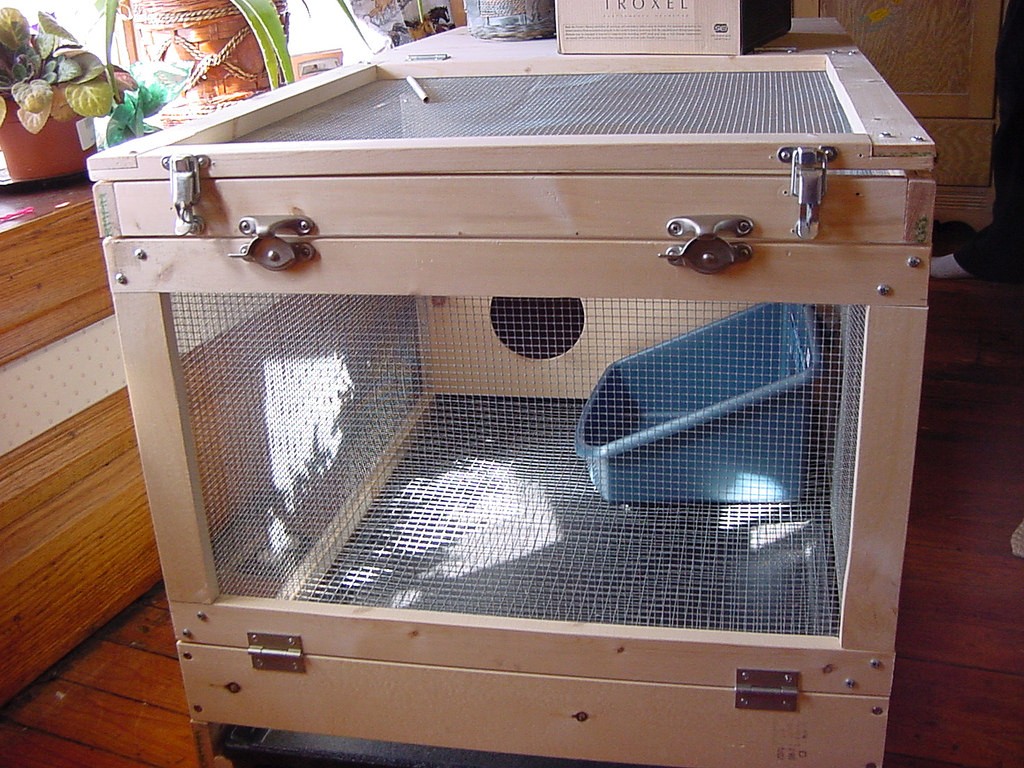
A broody breaker pen, sometimes called a broody breaker cage, is designed to keep a hen safely away from the nesting area while discouraging her from settling down to brood. A wire-bottom enclosure, such as a suitable rabbit hutch, can allow air to circulate underneath the hen while providing enough space for her to stand, move around, eat and drink.
Keep the broody hen in a secure, predator-proof location with access to fresh water and her regular feed. The goal is to interrupt her nesting routine and not to deprive her of food, water or basic care. Leave the floor of the pen bare with no straw, wood shavings, or cozy nesting materials that encourage broody behavior.
Disrupt Her Routine
Collect eggs from the nest as frequently as possible to remove any incentive for her to sit. If you can, take the broody hen out of the nest multiple times a day and place her at the far end of the run, ideally where you’ve scattered some treats. This helps to distract her and encourages her to engage in more typical chicken behaviors, like foraging and dust bathing.
Monitor Her Behavior
Breaking a broody hen takes time and individual hens vary. During this time, keep a close eye on her to ensure she’s eating, drinking, and gradually returning to normal behavior. Persistence is key because sometimes, a hen will return to the nest repeatedly, but with consistent intervention, she will eventually break the broody cycle.
How Long Does It Take to Break a Broody Hen?
There is no set amount of time required to break a broody hen. Some hens respond within a few days, while determined hens may need longer. The important thing is to continue monitoring her behavior rather than releasing her simply because a certain number of days have passed.
After giving your hen time away from the nesting area, observe what she does when she is released. If she immediately returns to the nest, settles down and resumes broody behavior, she may need more time in the broody breaker. If she returns to normal activities such as eating, drinking, scratching and exploring with the flock, she may be ready to return to her normal routine.
Consistency is important when broody breaking. Removing a hen from the nest but allowing her to return immediately can make it harder to interrupt the behavior.
Additional Tips for Broody Breaking
- Timing – Start broody breaking as soon as you notice the behavior. The sooner you intervene, the quicker she will return to normal.
- Environment – Make sure the pen or hutch where you place your broody hen is secure and predator-proof. The last thing you want is for her to be vulnerable while she’s already stressed.
- Companionship – Some hens may respond better to broody breaking if they have a companion nearby. Consider placing another non-broody hen in the pen or hutch with her for company.
- Patience – Every hen is different. Some may break their broodiness quickly, while others might take a bit longer. Be patient and persistent in your efforts.
What Not to Do When Breaking a Broody Hen
When learning how to break a broody hen, it can be tempting to try quick fixes. Focus instead on safe, consistent methods that interrupt nesting behavior while still meeting your hen’s basic needs.
Avoid withholding food or water, creating an unsafe environment, or using methods that could unnecessarily stress or injure your hen. A broody breaker should provide adequate space, fresh water, regular feed and protection from predators.
Also remember that not every broody hen needs to be broken. If you have fertile eggs and want to hatch chicks, broodiness can be a useful natural behavior. Broody breaking is primarily intended for situations where you do not want the hen to continue sitting on eggs.
Broody Breaking: Helping Your Hen Return to Normal
Broodiness is a natural part of chicken behavior, but it can become a challenge when you are not planning to hatch chicks. Recognizing the signs of a broody hen and starting broody breaking early can help interrupt her nesting routine and encourage her to return to normal flock activities.
Whether you use a broody breaker pen, remove her from the nesting area or combine several safe approaches, consistency is key. Continue to provide your hen with fresh water, regular feed and a safe environment while monitoring her behavior. With patience, most hens will eventually return to their normal routine.
For more practical advice on raising healthy backyard chickens, explore Star Milling’s Poultry Care Corner for additional tips on chicken breeds, nutrition, housing and flock care.
Broody Breaking FAQs
What is broody breaking?
Broody breaking is the process of interrupting a hen’s instinct to sit on a nest and hatch eggs when you do not want her to hatch chicks.
How do you break a broody hen?
One common approach is to place the hen in a secure broody breaker pen with a wire bottom, food and fresh water, while keeping her away from nesting materials and nesting boxes.
How long does it take to break a broody hen?
The amount of time varies by hen. Some hens stop showing broody behavior after several days, while others may take longer. Monitor her behavior and make sure she has returned to normal activities before releasing her permanently.
Why won’t my broody hen stop sitting on the nest?
Broodiness is driven by a hen’s natural reproductive instincts. A determined hen may repeatedly return to the nesting box even after being removed. Consistently preventing access to the nest can help interrupt the behavior.
Can you leave a broody hen alone?
Yes. Broodiness is a natural behavior, and some chicken keepers choose to let a hen hatch fertile eggs. If you do not want chicks, however, broody breaking can help interrupt the behavior and return the hen to her normal routine.
Looking for more information?
Visit our Poultry Care Corner for expert advice about poultry feeding & care.