
Can Pot-Bellied Pigs Eat Kitchen Scraps?
Safe & unsafe foods
Small Animal
Feed FAQ
Where
To Buy
Can Pot-Bellied Pigs Eat Kitchen Scraps? Safe and Unsafe Foods
If you are asking yourself what can pot belly pigs eat, kitchen scraps may seem like an easy answer. Pot-bellied pigs love food, and many owners want to share a little from the kitchen without creating health problems. The safest approach is simple. Fresh vegetables can be a smart add-on, fruit should stay limited, and processed human foods are best left out.
Kitchen scraps can have a place, but a balanced mini pig diet should still be the center of the feeding plan. Pot-bellied pigs do best when their base diet is a nutritionally balanced feed made specifically for mini pigs rather than table scraps, dog food, or hog feed.
What Can Pot Belly Pigs Eat? Use This Simple Kitchen Scrap Test First
When in doubt, the best shortcut is a quick safety test. Before offering any kitchen scrap, ask yourself:
- Is it plain?
- Is it fresh?
- Is it low in salt?
- Is it low in sugar?
- Is it low in fat?
- Is it unprocessed?
- Is it free of sauces and seasonings?
- Is it free of any heavy oils?
If the answer is yes to all of the above, it may fit as a small extra treat. However, if the food is greasy, sugary, salty, heavily seasoned, or spoiled, it does not belong in a pot-bellied pig’s bowl.
Why Kitchen Scraps Should Stay in a Supporting Role
Pigs have a reputation for eating almost anything, but that does not mean every food is a good fit.
Pot-bellied pigs have specific nutritional needs, and they are prone to weight gain when too much of the diet comes from leftovers and treats. A steady routine built around mini pig feed gives owners much better control over calories and balance than a routine built around whatever happens to be left in the kitchen.
Current veterinary advice stresses that excessive calories, rich human foods, and the wrong type of commercial feed can all create health trouble for these pigs.
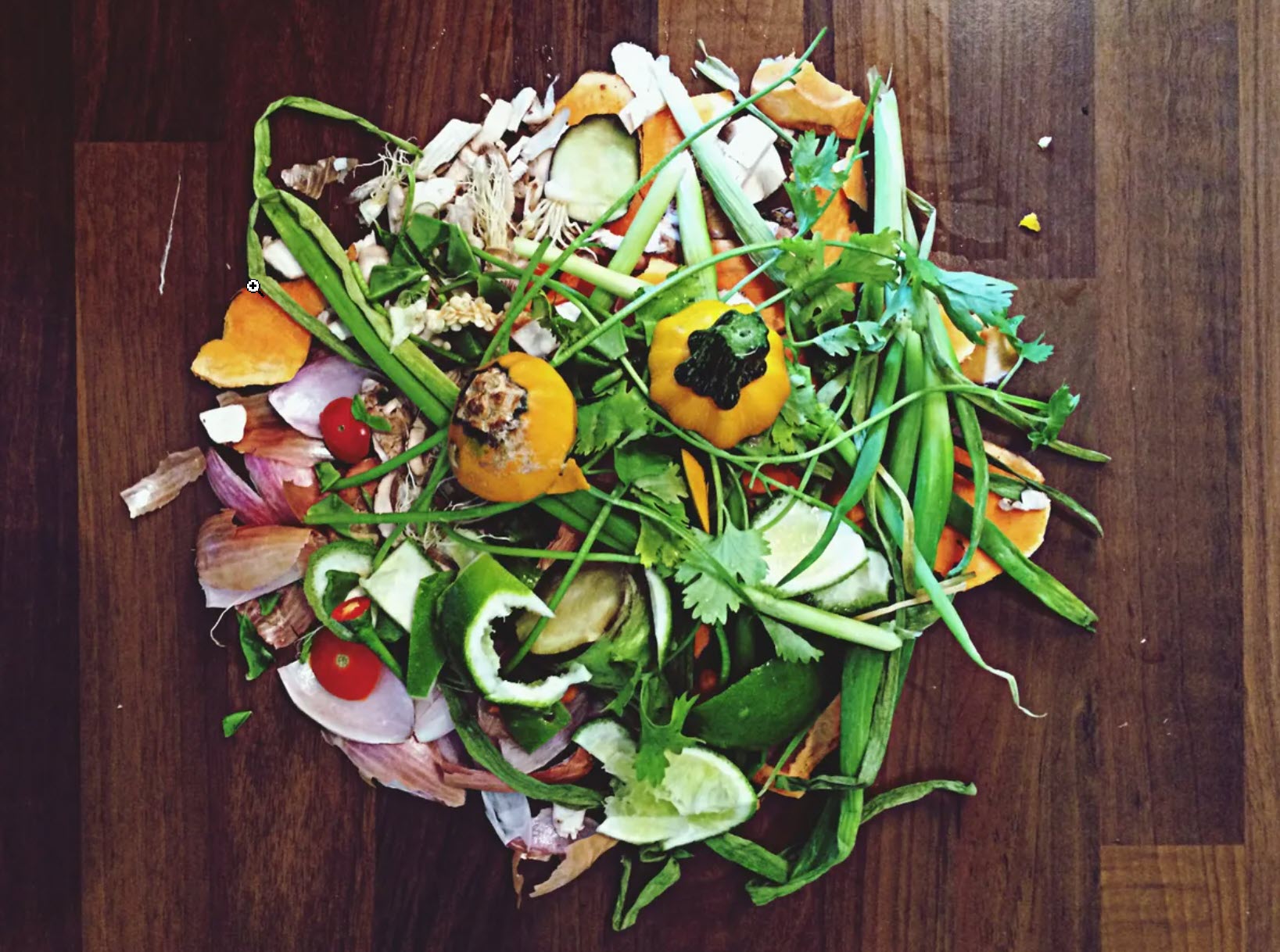
That’s why scraps work best as a small occasional treat rather than a habit at every meal. A few fresh vegetables are very different from routine helpings of pizza crust, deli meat, chips, or baked goods. Those foods add up quickly and can push a pig toward weight gain and poor daily nutrition.
Pig Safe Vegetables Are Usually the Best Kitchen Choice
Among the many foods pigs can eat, plain vegetables are usually the most useful choice from the kitchen. They give pigs variety without bringing the heavy salt, sugar, and fat that come with many human foods. This is where kitchen scraps can actually be helpful, as long as they stay simple.
Many pig-safe vegetables work well for pot-bellied pigs, including romaine lettuce, green leaf lettuce, celery, cucumber, zucchini, bell peppers, green beans, broccoli, cabbage, and carrots. These should always be served plain.
Steamed plain vegetables can work, but vegetables cooked with butter, sauces, onions, garlic, or seasoning mixes should be skipped. The closer the food is to its original form, the better it is for your pig.
Fruit Belongs in the Treat Category
Unprocessed fruit can be part of the diet, but it should stay modest. Small pieces of apple, berries, or melon can make a good reward during training or handling. Fruit is sweeter and more calorie-dense than most vegetables, so it’s best as an occasional extra instead of a daily side dish.
A pig that gets frequent fruit treats may start turning down healthier foods or begging harder for sweets. Keeping fruit small and occasional makes the whole feeding routine easier to manage.
Foods that are toxic or potentially dangerous to pot-bellied pigs include:
- Chocolate
- Coffee, tea, energy drinks & other caffeinated drinks
- Spoiled or moldy food
- Very salty foods in large amounts (like chips & pretzels)
- Canned fruits & vegetables packed with salt
- Large amounts of cereal that’s high in wheat bran
- Raw lima beans & raw kidney beans
- Rhubarb leaves
- Tomato leaves & vines
- Green parts of potatoes & potato leaves
- Avocado skin & pit
- Apple, apricot, peach, pear leaves & seeds
- Acorns & oak leaves
- Elderberries
- Castor beans
Human foods that are not usually toxic, but are a poor option for pot-bellied pigs:
- Candy, cookies, and sugary desserts
- Fried foods
- Pizza and fast food
- Deli meats
- Highly processed meats (like hot dogs)
- Dog food and cat food
How to Judge Common Leftovers in Real Life
The easiest way to judge kitchen scraps is to ask yourself one direct question: Would I call this a plain produce item, or is it part of a prepared human meal? If it’s part of a prepared meal, it may be best to skip it. That simple habit can help owners avoid many of the most common feeding mistakes.
What to Do If Your Pig Ate the Wrong Thing
If your pig gets into something that is toxic to them, call your veterinarian immediately. It’s also smart to call if your pig seems in pain, bloated, weak, restless, or suddenly uninterested in food after eating something questionable. Owners don’t need to panic over every mistake, but they should take potentially dangerous foods seriously and act early when symptoms show up.
Smart Daily Feeding Plan for Pot-Bellied Pigs
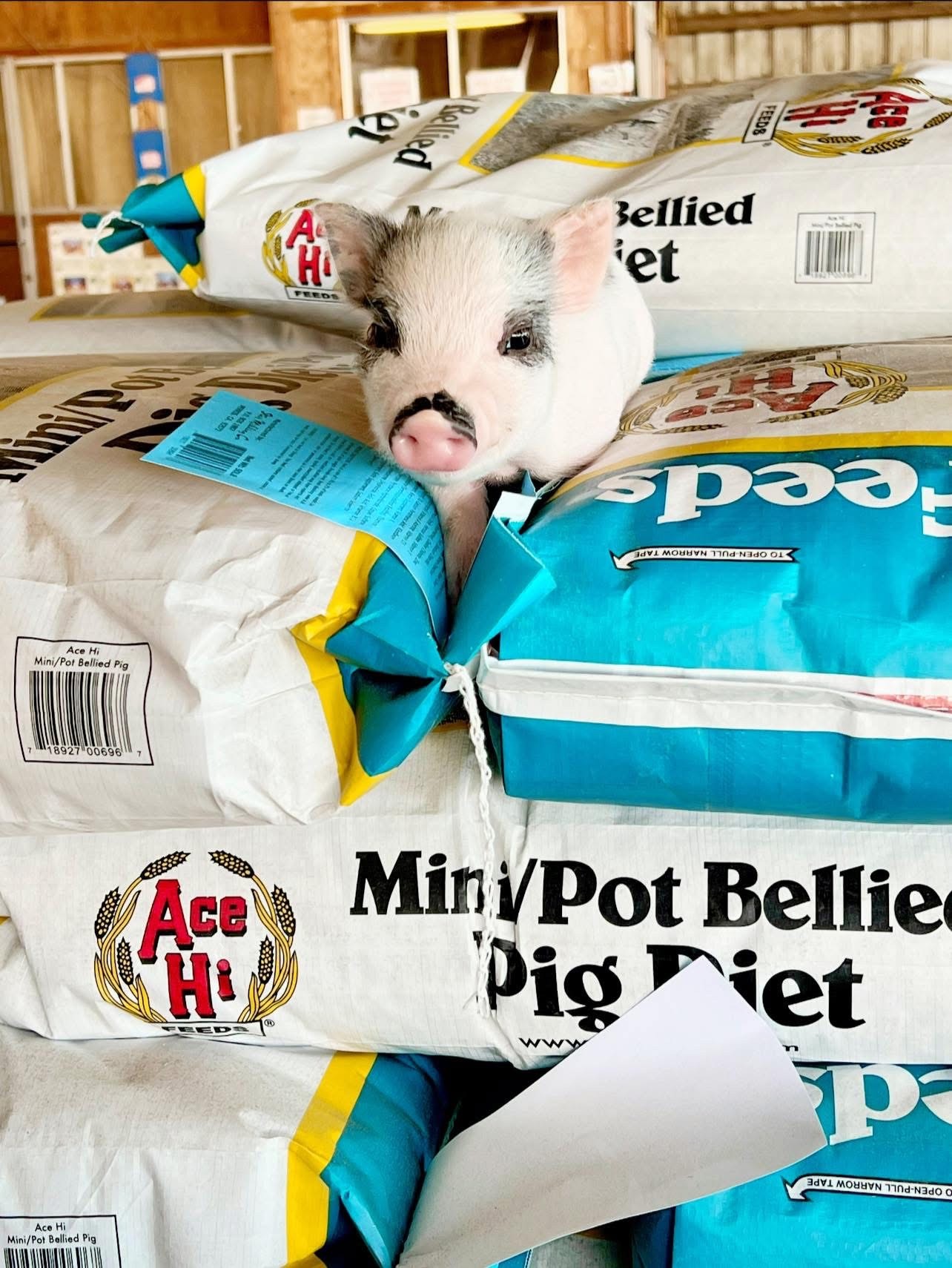
The best answer to what pot belly pigs can eat starts with a dependable feed made for mini pigs, then builds outward with fresh vegetables and small amounts of fruit. That gives owners a much steadier routine than relying on kitchen scraps to fill the bowl.
For owners looking for a practical feeding base, Ace Hi Mini/Pot Bellied Pig Diet or Kelley’s Mini/Pot Bellied Pig Diet can fit naturally into that daily routine.
When the main diet is built on quality feed and kitchen scraps are treated as occasional, thoughtful extras, pot-bellied pigs have a much better path to healthy weight, better comfort, and more consistent nutrition.