
Cat Food Allergies
Know the symptoms, causes & what to do
Cat Food
FAQ
Where
To Buy
Cat Food Allergies: Symptoms, Causes & What to Do
Recurring itching, skin irritation, vomiting, or digestive trouble can be concerning when you don’t know what’s causing it. Food can sometimes play a role, and understanding cat food allergies and other food-related reactions can help you have a more informed conversation with your veterinarian.
Because these symptoms can have many causes, identifying a food allergy usually takes careful observation and a consistent approach. If your cat has persistent itching, recurring digestive problems, or other unexplained symptoms, talk with your veterinarian before making major changes to their diet.
What Causes Cat Food Allergies?
A cat food allergy occurs when the immune system reacts to a specific ingredient in a cat’s diet. Protein sources are common triggers. Beef, fish, and chicken are among the food allergens most often reported in cats. A cat can develop a food allergy after eating the same ingredient for months or even years. A familiar food therefore shouldn’t automatically be ruled out if new symptoms appear.
Simply switching brands may not solve the problem, either. Different cat foods can contain the same protein sources or other ingredients, so changing formulas doesn’t necessarily remove the ingredient causing the reaction. Food sensitivities and other adverse food reactions can have different causes than a true food allergy, but the signs can overlap. That’s why it’s important to look at your cat’s complete feeding routine and work with your veterinarian rather than trying to diagnose the problem based on symptoms alone.
What Are the Symptoms of Cat Food Allergies?
Skin problems are among the most common signs of food allergies in cats. Affected cats may develop persistent itching, excessive grooming, hair loss, or irritated skin. The head and neck are common areas for itching, although symptoms can occur elsewhere.
Digestive symptoms may include recurring vomiting, loose stool, or diarrhea. Some cats may also have changes in bowel habits. Food-related itching can occur throughout the year rather than following a seasonal pattern. Recurring ear or skin irritation may also be worth discussing with your veterinarian.

Changes in grooming or other common cat behavior issues can sometimes indicate that your cat is uncomfortable, particularly when they occur alongside physical symptoms. These signs don’t confirm a food allergy on their own. Fleas, environmental allergies, parasites, infections, and other medical conditions can cause similar symptoms. Your veterinarian can help determine what needs to be ruled out.
How Are Cat Food Allergies Diagnosed?
There is no reliable way to diagnose a cat food allergy based on symptoms alone. Veterinarians typically use a controlled elimination diet trial, followed by reintroduction of the previous food or specific ingredients when appropriate.
Your veterinarian may recommend a diet containing a protein your cat has not previously eaten or a veterinary diet containing hydrolyzed proteins. The appropriate choice depends on your cat’s dietary history and individual needs.
During an elimination diet trial, consistency is critical. Your cat may need to eat only the food recommended by your veterinarian. Treats, table scraps, supplements, flavored medications, and food from another pet’s bowl can introduce ingredients that interfere with the trial.
Food trials generally take several weeks, and skin-related symptoms may take longer to improve than some digestive symptoms. If your cat improves on the elimination diet, your veterinarian may recommend reintroducing the previous diet or individual ingredients to determine whether the original symptoms return. Because food trials can be challenging, especially for cats that are selective about what they eat, veterinary guidance is important throughout the process.
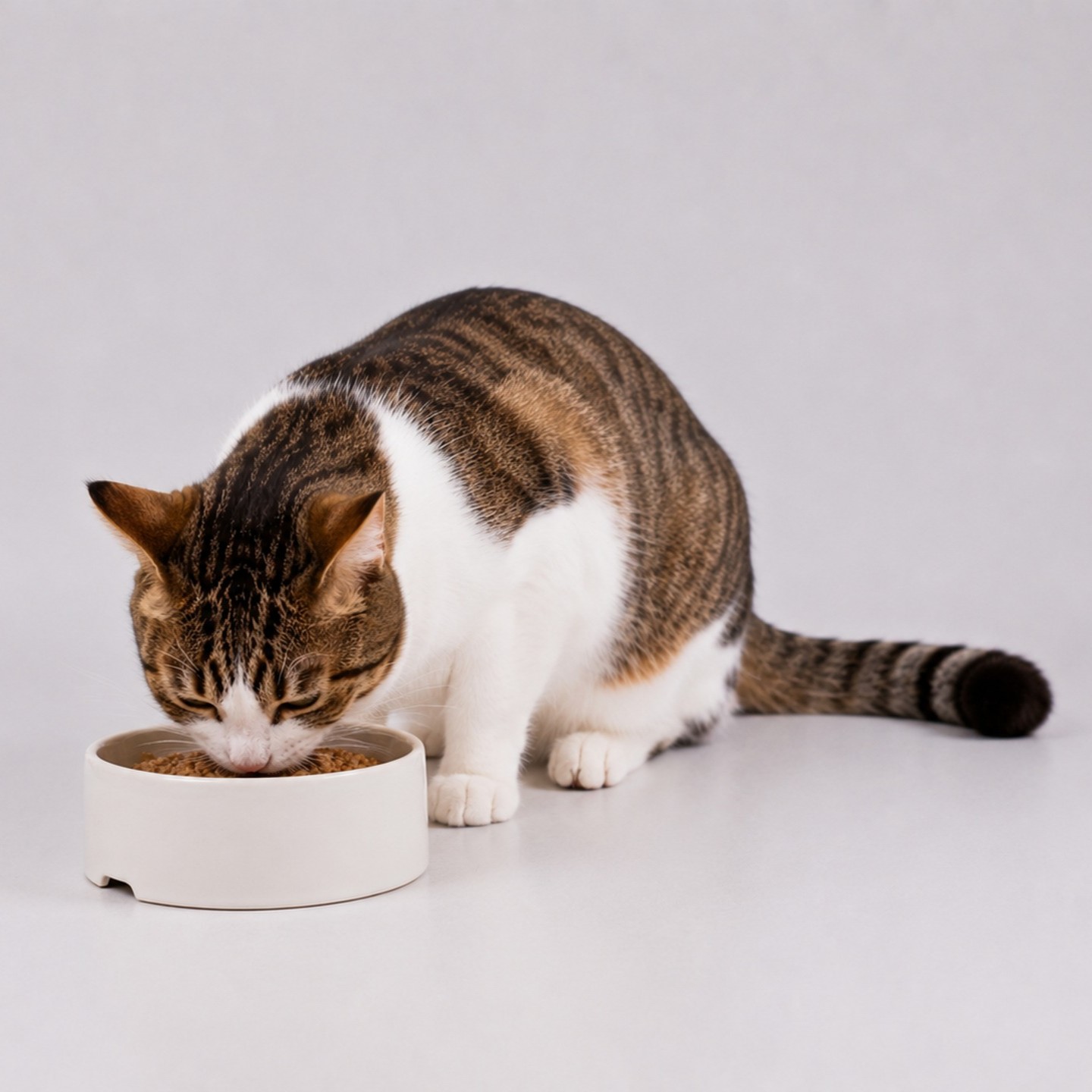
Keep Track of Everything Your Cat Eats
If food sensitivity is a concern, look beyond the front of the package and consider everything your cat consumes.
Start with your cat’s regular food, then include:
- Wet food and dry food
- Treats and toppers
- Supplements
- Table food
- Flavored medications
- Food from other pets’ bowls
The same protein can appear in multiple products, even when the foods look very different. Keeping a simple record of what your cat eats can make it easier to identify potential sources and give your veterinarian a more complete feeding history. A consistent routine can also make changes easier to spot. Note what your cat is eating along with changes in appetite, stool, grooming, itching, or skin condition.
Are Grains a Common Cause of Cat Food Allergies?
Grains often get attention when cat owners begin researching food allergies, but grain-free food isn’t automatically the answer for a cat with allergy symptoms. Food allergies in cats are more commonly associated with certain animal protein sources, including beef, fish, and chicken. That doesn’t mean a cat cannot react to a grain or other carbohydrate ingredient. It simply means removing grains alone may not address the underlying problem.
If your veterinarian suspects a food allergy, the goal is to identify and avoid the specific ingredient or ingredients causing the reaction. A grain-free label by itself doesn’t establish that a food is appropriate for a cat with a food allergy.
Choosing Food for a Cat With a Sensitive Stomach
Finding a food that agrees with a sensitive cat can take patience. Once you identify a nutritionally complete food your cat tolerates well, maintaining a consistent feeding routine can make everyday feeding easier. Look for a complete and balanced food appropriate for your cat’s life stage, with clearly identified ingredients. Cats are obligate carnivores and require nutrients found in animal tissues as part of a complete diet.
If you’re changing your cat’s regular food, transition gradually unless your veterinarian recommends otherwise. Start by mixing a small amount of the new food with the current food, then gradually increase the new food while reducing the old food. Pay attention to appetite, stool, grooming, and skin condition during the transition. Keeping a simple record can help you identify changes and provide useful information to your veterinarian.
If your cat is undergoing a veterinary elimination diet trial, however, follow the feeding plan provided by your veterinarian rather than introducing foods or transitioning on your own.
Can Cats Develop Food Allergies Later in Life?
Yes. Cats can develop food allergies to ingredients they’ve eaten for a long time. That’s one reason food allergies can be difficult to identify. A cat may have eaten the same food for years before developing noticeable symptoms. Previous tolerance doesn’t necessarily rule out a food allergy. Your cat may also continue eating the food enthusiastically.
A healthy appetite tells you that your cat enjoys the food, but it doesn’t indicate whether a particular ingredient is causing an immune reaction.
If symptoms develop after your cat has been eating the same food for a long time, review the complete feeding routine with your veterinarian. Recent changes in treats, toppers, supplements, or other foods may also provide useful clues.

When Should You Call Your Veterinarian?
An occasional upset stomach or brief bout of scratching doesn’t automatically mean your cat has a food allergy. Recurring or persistent symptoms deserve closer attention. Make an appointment if your cat has ongoing itching, repeated digestive problems, hair loss, skin sores, recurring ear irritation, or unexplained changes in appetite.
Seek veterinary care promptly if your cat stops eating or becomes unusually lethargic. Severe vomiting or diarrhea, swelling, or difficulty breathing also require prompt veterinary attention. Veterinary guidance can help identify the underlying cause and prevent unnecessary diet restrictions while you work toward finding a solution.
Finding a Food That Works for Your Cat
Paying attention to everyday changes is part of supporting your cat’s overall wellness. A consistent feeding routine makes patterns easier to spot, while your veterinarian can help determine what those changes may mean. For cats that tolerate its ingredients, Ultra Balance Chicken & Rice Cat Food provides a complete and balanced formula with chicken meal as its primary ingredient. The food is formulated to meet AAFCO nutrient profiles for all life stages.
However, if your cat is being evaluated for a food allergy, don’t select a food based on the protein source or ingredient list alone. Your veterinarian can help determine which diet is appropriate based on your cat’s feeding history and whether a controlled food trial is needed. The right diet depends on the individual cat. Once you find a balanced food your cat tolerates well, consistency can make daily feeding simpler and help you recognize changes in your cat’s health.