
Winter Horse Care
5 Essential Tips
About
Our Feed
Equine
Products
Dr. Bray's
Corner
Equine
Nutrition FAQ
Where
to Buy
Winter Horse Care: Five Essential Tips For A Healthy Horse All Season Long
As winter settles in and frost glazes your barn doors, horse owners quickly shift into a higher gear of management. In cold weather, routine changes (not just blankets) make the difference between a comfortable, thriving horse and one at risk for weight loss, dehydration, or colic. Proper winter horse care means anticipating seasonal challenges and adapting feeding, hydration, and turnout to match. Below are five essential tips to help your horse stay healthy and content throughout the colder months.
1. Increase Long-Stem Hay Intake
The cornerstone of winter horse care is a good supply of forage. As temperatures drop, horses naturally require more energy to maintain their body heat. Star Milling recommends increasing long-stem hay by about 10% when the cold season begins.
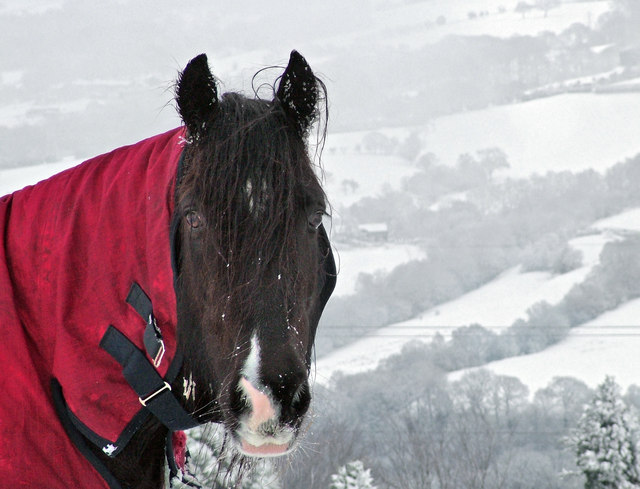
Why hay? Because long-stem fiber produces “heat of digestion” — when a horse chews and ferments forage, its gut muscles work more and generate internal warmth. This extra fiber not only fuels the body but also supports gut motility and encourages more water intake which are both key to healthy winter digestion.
2. Maintain Clean, Warm Water Access
Hydration is arguably the most critical component of winter horse care. In freezing conditions, water sources can ice over, and horses tend to drink less when the water is too cold. That creates a real risk of impaction colic, since dehydration leads to dry digesta in the gut.
To counter this, aim to keep water between 45°F and 65°F, using heated buckets or trough heaters. Regularly check that any automatic waterers are working properly to avoid electrical issues. Additionally, offering salt or loose trace-mineral blocks can encourage your horse to drink more.
3. Monitor Body Condition Carefully
A horse’s heavy winter coat can mask weight loss, so regular body condition scoring (BCS) becomes essential. Visually assessing weight isn’t enough — you’ll need to manually feel fat deposits across key areas to get an accurate picture.
If your horse starts losing condition, increase forage first. If that’s not enough, you may add a higher-calorie feed—ideally one with fat or oil—to maintain warmth without spiking sugar. But any increase in grain needs to be slow and measured to avoid digestive upsets.
4. Keep Shelters and Hooves Winter-Ready
While well-fed horses adapt well to cold, they still need shelter, especially when wind or precipitation is involved. Stall design, turnout sheds, and proper ventilation all matter.
Hoof care in winter is also critical. Snow, ice, and frozen ground can hide slippery surfaces or sharp obstacles. Check and pick feet daily, trim on your regular schedule, and consider snow pads or studs if needed.
5. Plan Feeding Around Cold Spells
Smart winter horse care isn’t reactive — it’s proactive. Begin your nutritional adjustments 72 hours before you expect a deep freeze. That means increasing hay early and planning for added water access, so your horse doesn’t go into a cold snap underprepared.
If they’re not maintaining weight, consider supplementing with a balanced concentrate. Fat-based feeds like rice bran or oil boost caloric density while still allowing you to maximize hay for its warming benefits.
Winter Horse Care That Works All Season Long
Winter may be a season of stillness, but that shouldn’t lull your horse care routine into hibernation. With thoughtful planning — increasing long-stem hay, monitoring water temperature, tracking body condition, prepping shelters, and making timely feed adjustments — you can support your horse’s health, comfort, and resilience when it matters most.
By embracing these five pillars of winter horse care, you’ll help your horse enter spring strong, warm, and ready for whatever the season brings next.