
How To Make Your Coop
A poultry paradise
About Our
Poultry Feed
Poultry
Care Corner
Poultry
Products
Grains &
Simple Ingredients
Where
to Buy
How to Make Your Coop a Poultry Paradise
Backyard chickens are fun, educational, and rewarding, but providing a safe and comfortable home is an important part of keeping a healthy flock. A well-designed chicken coop gives your birds protection from predators and the elements while providing space to sleep, lay eggs, eat, drink, and move around comfortably.
Whether you are building a new backyard chicken coop or improving an existing one, there are several chicken coop essentials to consider. Adequate space, comfortable roosting perches, private nesting boxes, good ventilation, clean bedding, predator protection, and access to an outdoor run can all help create a safe and healthy environment for your chickens. With the right chicken coop setup, you can give your flock a comfortable place to call home.
Chicken Coop Essentials: What Do Chickens Need?
A good chicken coop does more than provide shelter. It should give your flock a safe, clean, comfortable environment where they can sleep, eat, drink, lay eggs, and move around naturally. If you are setting up a chicken coop for the first time, make sure your design includes these basic essentials:
- Adequate space for every bird to move comfortably
- Roosting perches where chickens can sleep off the ground
- Nesting boxes for hens to lay eggs in a quiet, secure location
- Good ventilation to remove moisture, dust, and stale air
- Clean, dry bedding to help keep the coop comfortable and sanitary
- Feeders and waterers that provide easy access to fresh food and water
- Predator protection around the coop and outdoor run
- A secure chicken coop door that can be closed at night
- An outdoor run or safe free-range area for exercise and enrichment
These chicken coop essentials can be incorporated into both simple backyard coops and larger chicken housing. The goal is to create a space that keeps your flock safe while supporting their natural behaviors.
Chicken Coop Space Requirements
Coop space recommendations will vary by the type of housing system, chicken breed, the climate, and your poultry management style. Will your birds have access to a run or free range for part of the day? Or, will your birds will stay in the coop the majority of the time?
Plan Your Chicken Coop Around Your Flock Size
Before building or purchasing a chicken coop, consider how many chickens you plan to keep. Overcrowding can contribute to stress, aggressive behavior, dirty bedding, and other flock-management problems.
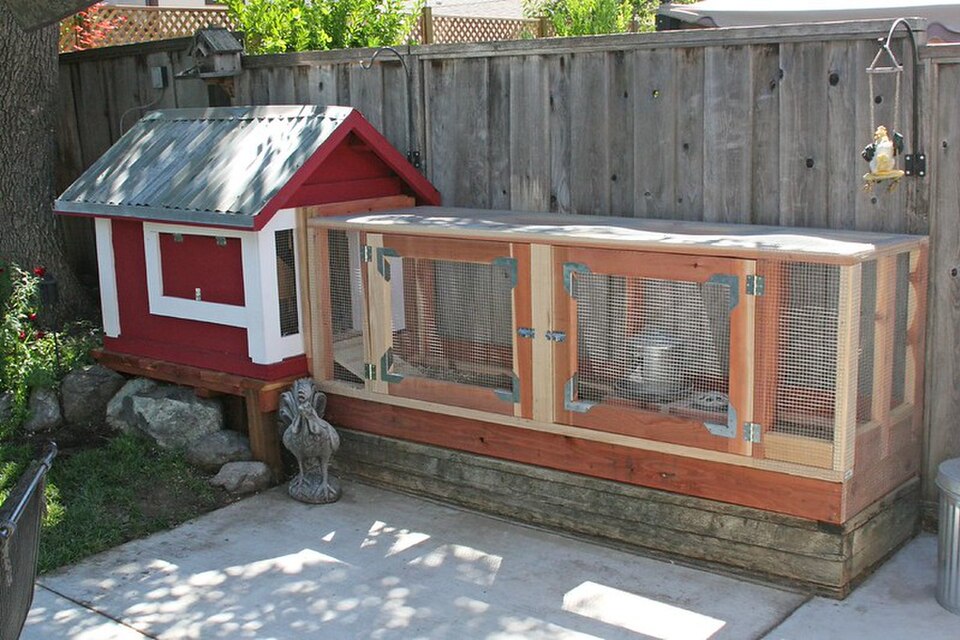
A commonly recommended starting point is at least 4 square feet of indoor coop space per chicken when birds have regular access to an outdoor run or free-range area. Chickens that spend most of their time indoors need more room. More space is especially important when weather, predators, or other conditions limit access to the run.
When planning your chicken coop setup, also consider the space needed for feeders, waterers, nesting boxes, and roosting perches. Your chickens should be able to move between these areas without constantly crowding one another.
If you expect your flock to grow, planning for additional space from the beginning can make your chicken coop easier to manage in the future.
Chicken Roosting Perches
Chickens are by nature prey. For this reason, they prefer to sleep off the ground. The height at which you place the roosting perches will depend on the breed of chickens you have. A good rule of thumb is 2 to 4 feet off the ground. Make sure the roosting perches are placed far enough away from the wall and ceiling that your birds are able to move around comfortably.
Incorporate roosting perches for your birds to be able to sleep and rest comfortably. Perches can be made out of many different materials including:
- Sturdy branches
- Dowels
- Metal
- Plastic
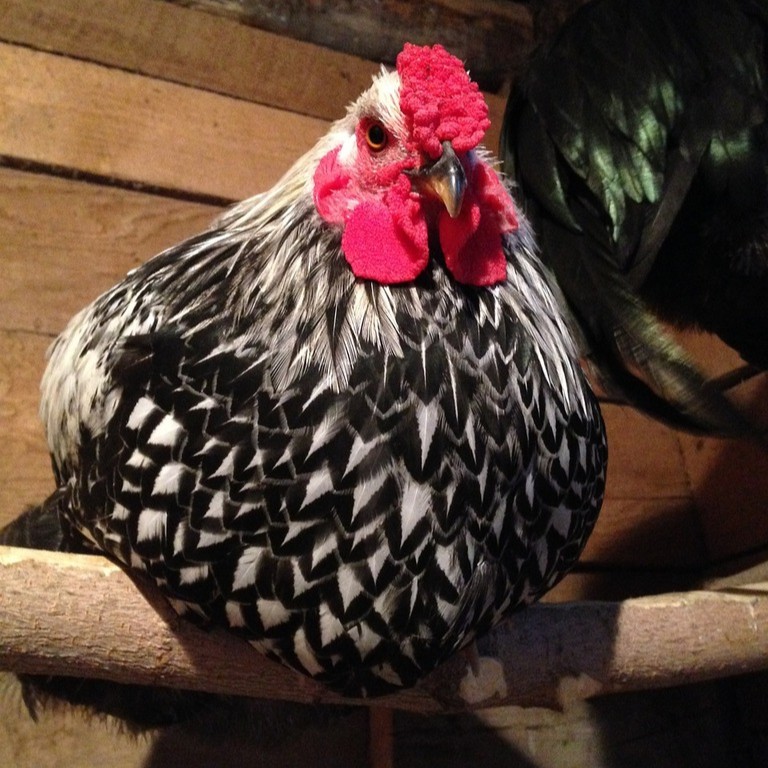
Do not be offended if you have the token hen who refuses to use the perch. There will be one or two who prefer sleeping on the floor. However, the majority of your hens will thank you.
Choose Comfortable Roosting Perches
Roosting is a natural behavior for chickens, and providing appropriate perches gives them a comfortable place to rest and sleep. Roosts should be sturdy enough to support the flock and positioned so chickens can easily get on and off them.
Avoid placing roosts directly over feeders or waterers, where droppings can contaminate food and water. It is also helpful to position perches so they are easy to inspect and clean. If you have chickens of different sizes or breeds, provide enough roosting space for the entire flock rather than forcing birds to compete for a preferred spot.
Comfortable roosting perches are an important part of any chicken coop setup and can help your birds feel secure at night.
Chicken Nesting Boxes
Hens feel the most vulnerable to prey when they are laying eggs and sitting on their nest. They seek out secluded areas in which they feel safe to lay eggs. If you have a very small flock you can incorporate one nest box per hen, but if your flock is larger a ratio of one nest box to 3 hens is adequate. It’s even better if you can design the nest boxes in such a way that you are able to collect the eggs from the outside without having to go in the coop.
Keep Chicken Nesting Boxes Clean and Comfortable
A good nesting box should be dark, quiet, dry, and comfortable. Providing appropriate nesting material can encourage hens to use the boxes rather than laying eggs on the coop floor. Check nesting boxes regularly and replace soiled or wet bedding as needed. Clean nesting areas can make egg collection easier and help keep eggs cleaner.
When planning your chicken coop, place nesting boxes in an area that is protected from drafts and excessive activity. Keeping them separate from the busiest parts of the coop gives hens a quieter place to lay. Remember that hens may develop favorite nesting boxes even when several are available. Providing enough boxes for your flock gives hens more options and can help reduce competition.
Chicken Coop Ventilation: Keep Fresh Air Moving
Proper chicken coop ventilation is essential for maintaining a healthy environment. Chickens produce moisture and dust, while droppings can contribute to ammonia buildup. Without adequate airflow, moisture and stale air can accumulate inside the coop.
The goal of chicken coop ventilation is to allow fresh air to enter and stale, moist air to escape without creating a direct draft on the birds. Vents should generally be positioned higher in the coop so warm, moist air can move out while fresh air enters.
Good ventilation is important year-round, including during colder weather. Rather than completely closing the coop to keep it warm, focus on providing appropriate ventilation while protecting your chickens from direct drafts, rain, and extreme weather.
Regularly check your coop for condensation, excessive moisture, strong ammonia odors, or damp bedding. These can indicate that your chicken coop needs better airflow or more frequent cleaning.
Chicken Coop Bedding & Cleaning
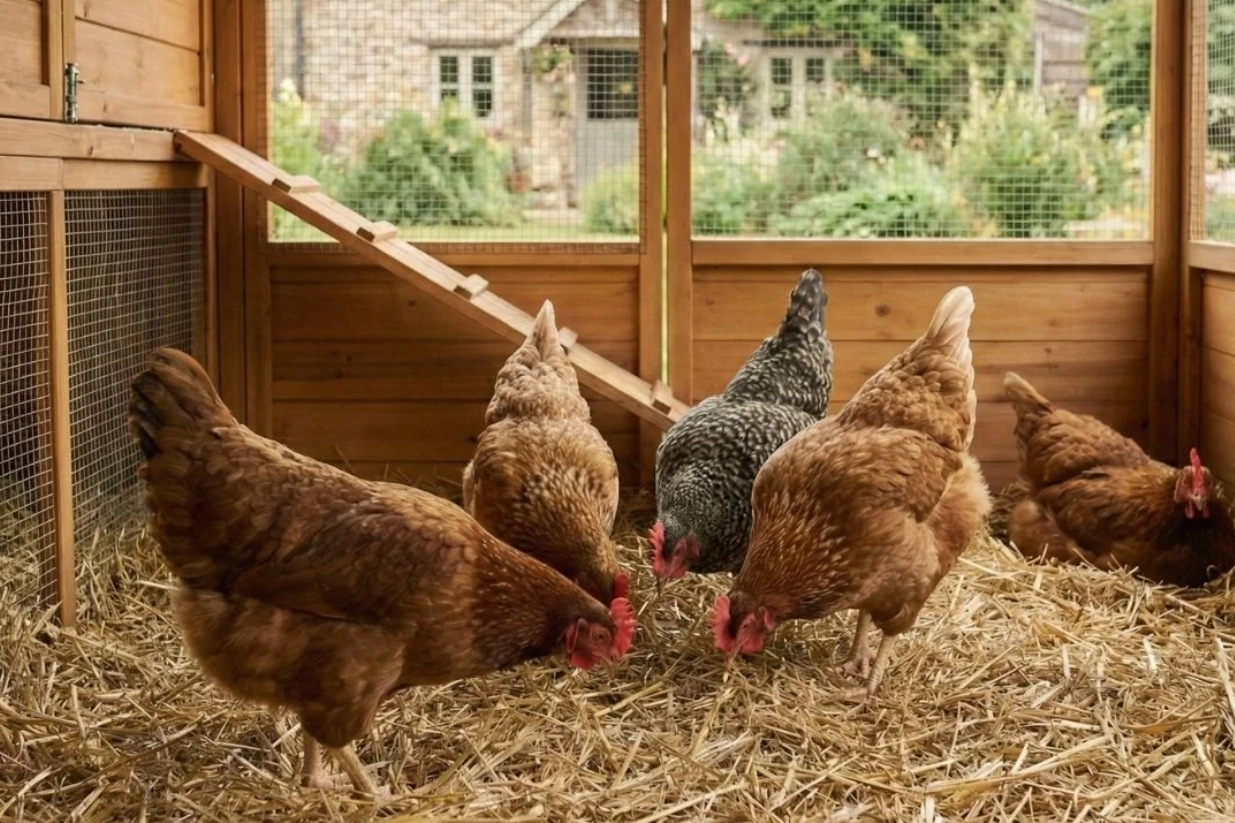
Giving your flock clean, dry bedding is another important part of a comfortable chicken coop. Poultry bedding helps absorb moisture and droppings while giving chickens a more comfortable surface to walk and rest on.
Natural bedding options that are include materials such as pine shavings, hemp, straw or hay, and sand. These materials are environmentally friendly and break down over time, making them a great option for those looking to create a sustainable chicken coop. Whichever material you choose, monitor it regularly and remove wet or heavily soiled areas.
A simple chicken coop cleaning routine should include:
- Removing wet or soiled bedding regularly
- Cleaning feeders and waterers
- Checking nesting boxes
- Removing accumulated droppings
- Inspecting the coop for moisture or ammonia odors
- Replacing bedding when necessary
Keeping the coop clean and dry helps create a more comfortable environment for your backyard chickens and makes routine flock care easier.
Incorporate an Outside Space for Your Chickens
You may be hesitant to let your beloved chickens free range for fear of predators. Consider incorporating an outdoor run onto your coop. The addition of a door will give you the ability to make sure your flock is safely in their coop come sundown. The outdoor run will allow your chickens time to enjoy a little sunshine and meander through the grass while remaining safe from lurking predators.
Make Your Chicken Coop Predator-Resistant
An outdoor run gives chickens room to scratch, explore, dust bathe, and enjoy natural sunlight while providing more protection than unrestricted free-ranging. However, the run should be designed with predators in mind.
Inspect the entire chicken coop and run for potential entry points. Secure doors and openings, use sturdy fencing, and pay particular attention to areas where predators could dig underneath or squeeze through gaps.
A secure chicken coop should also have a reliable door that can be closed at night. Regularly inspect fencing, hardware, locks, and the perimeter of the run for damage or weak spots.
Predator protection is an important part of backyard chicken keeping and should be considered when designing both the coop and outdoor run.
Provide Easy Access to Fresh Feed and Water
Every chicken coop setup should include clean, accessible feeders and waterers. Chickens should have regular access to fresh, clean water, and their poultry feed should be appropriate for their age and stage of production.
Position feeders and waterers where they are easy for the flock to access but less likely to become contaminated with bedding or droppings. Check them frequently and clean them as needed.
Avoid placing waterers where spills can leave the coop floor damp. Excess moisture can contribute to wet bedding and an uncomfortable environment.
A comfortable chicken coop and a balanced poultry diet work together to support a healthy backyard flock.
Chicken Enrichment
Your flock will greatly benefit from mental stimulation. Without some sort of mental stimulation to feel their days, chickens can develop bad habits out of boredom, so make sure they always have plenty to do. Here are some ideas to make sure your chickens make the most out of their days.
- Put treats in their bedding so they can scratch around and peck for them.
- Hang treats in dispenser balls, so they have to rip pieces off.
- Place safe, shiny toys such as mirrors, dog toys or kid toys with bells for them to peck at and move around.
Give Your Chickens Opportunities to Explore
Chicken enrichment does not have to be complicated. Chickens naturally enjoy scratching, pecking, foraging, and exploring their surroundings. Providing opportunities for these behaviors can make their environment more interesting.
Consider adding safe chicken enrichment activities such as scattered treats, hanging vegetables, areas for scratching, or objects that encourage your birds to investigate their surroundings. Rotate enrichment activities occasionally to give your flock something new to explore.
Just be sure that anything placed in the chicken coop or run is safe, secure, and appropriate for chickens.
Create a Healthy, Happy Backyard Chicken Coop
Creating a poultry paradise doesn’t require an elaborate chicken coop. The most important thing is providing your flock with a safe, clean, comfortable environment that meets their basic needs.
Start with adequate space, sturdy roosting perches, private nesting boxes, good ventilation, clean bedding, reliable access to fresh feed and water, and protection from predators. Add a secure outdoor run and opportunities for enrichment, and your chickens will have a comfortable environment where they can thrive.
A well-planned chicken coop is an important part of successful backyard chicken keeping. Pair a comfortable home with proper nutrition and regular flock care, and you can help your chickens stay healthy and happy.
Looking for more information?
Visit our Poultry Care Corner for expert advice about poultry feeding & care.