
Seasonal Bird Feeding
What wild birds need all year long
Bird Feed
FAQ
Where
To Buy
Seasonal Wild Bird Feeding Tips
Seasonal bird feeding helps wild birds stay nourished throughout the year. Many people enjoy keeping a feeder full, but the best approach in January is different from the best approach in July. Birds use energy differently from season to season, and feeders are most helpful when the food, feeder care, and refill routines change along with those needs.
What to Feed Wild Birds in Winter, Spring, Summer & Fall
Seasonal bird feeding is most effective when the food matches what birds need most during each season:
- In winter, many birds need richer, higher-energy seeds to stay warm and endure cold nights.
- In spring, feeders support birds that are recovering from winter, moving through on migration, or preparing to nest.
- In summer, fresh feed and careful feeder hygiene become even more important as heat and moisture can shorten seed freshness.
- Fall feeding helps birds settle into colder weather patterns and prepare for migration or winter.
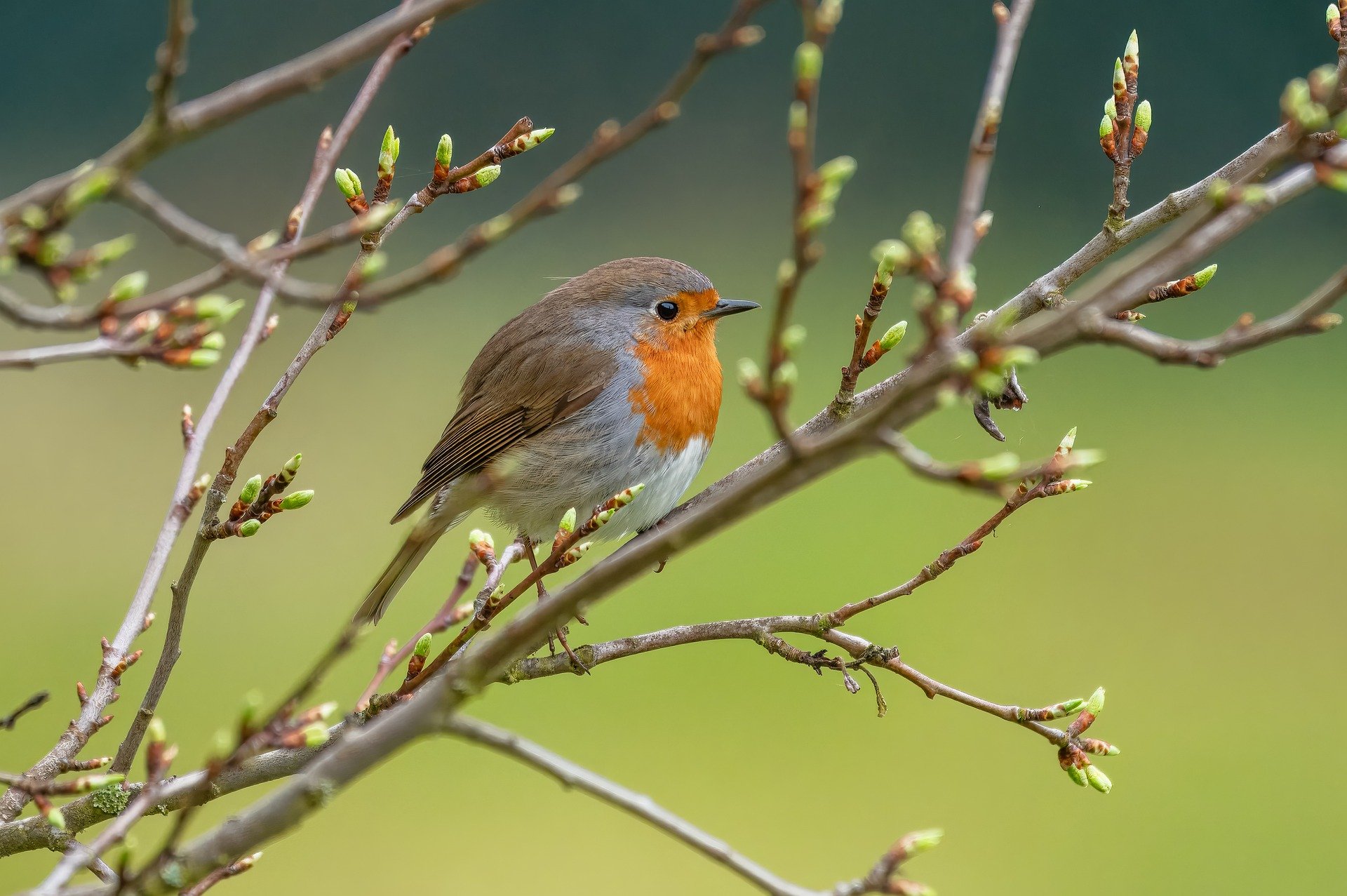
Winter Bird Food Guide: Give Birds More Energy During Cold Weather
Winter is often when backyard feeders become most helpful. Birds burn more energy in cold weather, and snow, frost, or even extended rain can make natural food harder to reach. A reliable feeder gives them a familiar place to find calories when conditions are more demanding. A good winter bird food guide starts with feed quality and consistency. Birds often return to food sources they learn to trust, especially during colder stretches.
When a feeder stays stocked with fresh seed, your yard becomes a regular stop instead of an occasional one. That steady access can be so helpful when natural seed heads are buried, or when the ground stays frozen. Winter is also the time to pay close attention to moisture; damp seed can clump and spoil. Water deserves attention in winter, too. When puddles and birdbaths freeze, a clean water source can be just as helpful as a well stocked feeder. Feeder placement also helps birds in the colder months. Birds are often more comfortable visiting feeders that are near shrubs or trees where they can perch and retreat quickly.
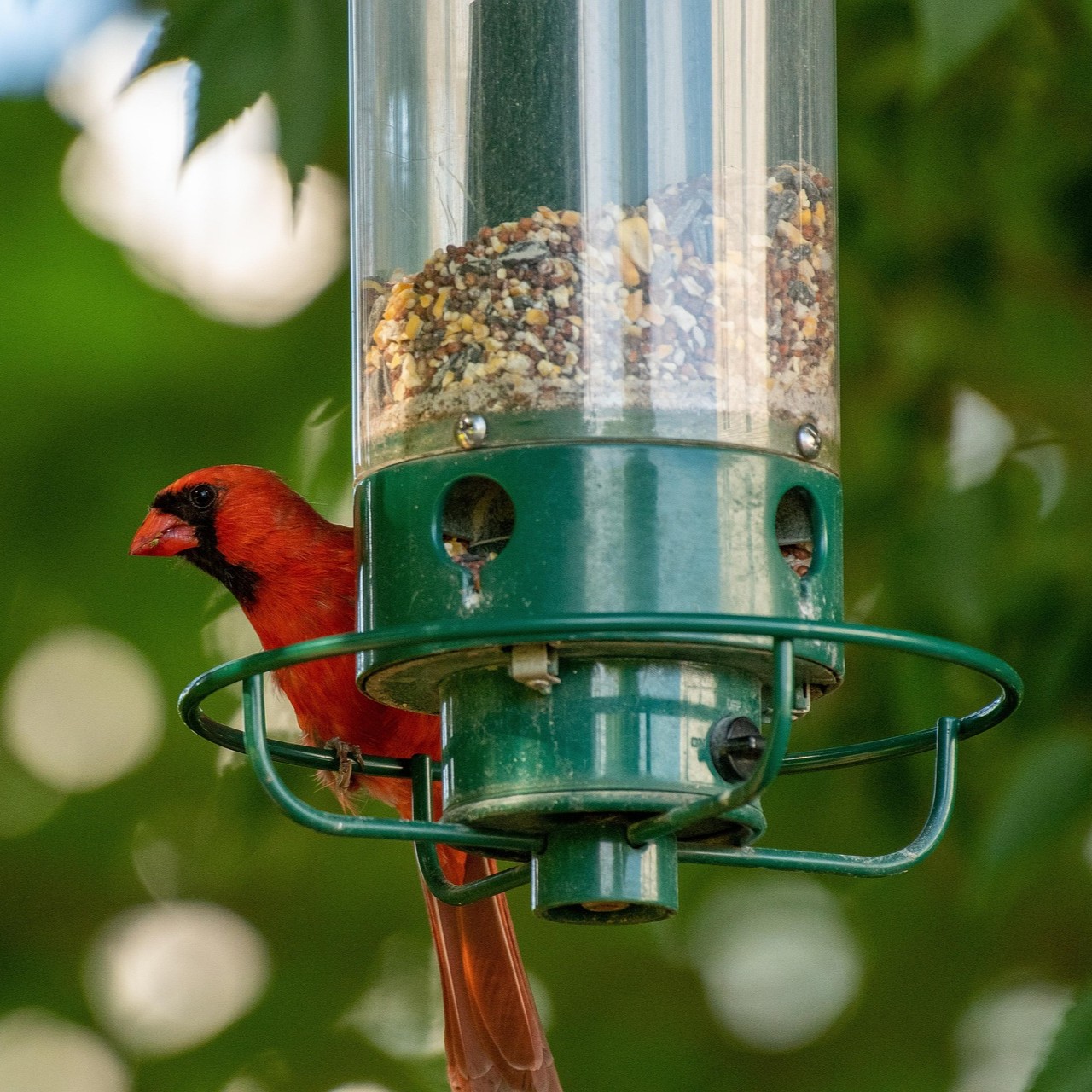
Spring Feeding Supports Nesting, Recovery & Migration
Spring brings more natural food options, but it is still a demanding season for wild birds. Some are recovering from winter. Others are establishing territory, building nests, or moving through on migration.
Keeping feeders active in spring gives birds a reliable source of support while they settle into the season. Insects begin to return, and plants start producing again, but those changes don’t happen all at once. A cold spell or rainy stretch can limit what birds find naturally, which makes a feeder especially helpful during uneven spring weather.
Remember to stay on top of feeder cleaning. Rain and warmer temperatures can shorten the freshness of seed. Old hulls and damp debris should be cleared out often so birds keep finding clean feed.
Summer Bird Feed Ideas for Hot Weather and Young Birds
Summer bird feed still has value, even when natural food is easier to find. Adult birds are making frequent trips to feed their young. Newly fledged birds are also learning where food can be found and which spaces feel safe. A feeder can supplement natural foraging during this stage and give birds an easy source of support during hot, dry periods.
Summer feeding works best when the routine stays simple. Offer amounts birds can finish while the seed is still fresh. Try to keep feeders in more shaded spaces when possible. Heat can shorten the life of feed, especially in humid conditions, so smaller refills often work better than filling feeders to the top. This is a good time to watch actual feeder activity in your yard. Some homes see a slight drop in visits during summer, while others stay busy. Fresh water nearby can make the feeding area even more attractive during the summer heat.
Fall Feeding Helps Birds Get Ready for Colder Months
Fall is one of the most useful times to maintain a steady feeding routine. Birds are often replacing worn feathers, building reserves before winter, or preparing for migration. Young birds raised earlier in the year are also settling into regular feeding patterns.
This is a practical time to refresh feeders, give them a deep clean, and get ready for heavier use later in the year. Fall feeding also helps birds recognize your yard as a dependable place to return when temperatures begin to drop.
Seasonal Bird Feeding Tips for Bird Nutrition Year-Round
The most helpful seasonal bird feeding tips are simple and easy to maintain.
- Keep feeders clean and keep seed dry.
- Refill according to weather, feeder traffic, and how quickly birds are using the mix.
- Pay attention to the species visiting your yard and adjust your feed choice when needed.
- Place feeders where birds have a comfortable approach and nearby cover.
Bird nutrition year-round is shaped by consistent choices. When feed is fresh, and feeding routines change appropriately with the seasons, your backyard can offer real support to wild birds. Star Milling Wild Bird Mix and Star Milling Wild Bird Mix w/Sunflower give bird lovers dependable options for feeding through winter cold, spring nesting, summer heat, and fall transition in a way that feels practical and caring.
To learn more about wild birds, visit our Bird Feed FAQ page for more great information.