
Should I Worry
if my dog eats horse feed?
About
Our Feed
Equine
Products
Dr. Bray's
Corner
Equine
Nutrition FAQ
Where
to Buy
Should I Worry If My Dog Eats Horse Feed?
If your dog eats horse feed, you may wonder whether it’s dangerous and what you should do next. In many cases, eating a small amount of ordinary horse feed may cause little or no trouble, although some dogs can experience digestive upset. The risk depends on the type of feed, how much your dog ate, and whether the feed contains medication or other added ingredients. Learn what to watch for, when to contact your veterinarian, and how to help prevent your dog from eating horse feed in the future.
Can Dogs Eat Horse Feed?
Dogs and horses have different nutritional requirements, so their feeds are formulated for different purposes. Horse feed commonly contains ingredients such as beet pulp, soy hulls, rice bran, and other plant-based ingredients designed to meet equine nutritional needs.
If a dog eats a small amount of ordinary, unmedicated horse feed, it may not experience any adverse effects. However, the ingredients, formulation, and amount consumed all matter. Some feeds contain added supplements or medications that may be inappropriate or dangerous for dogs.
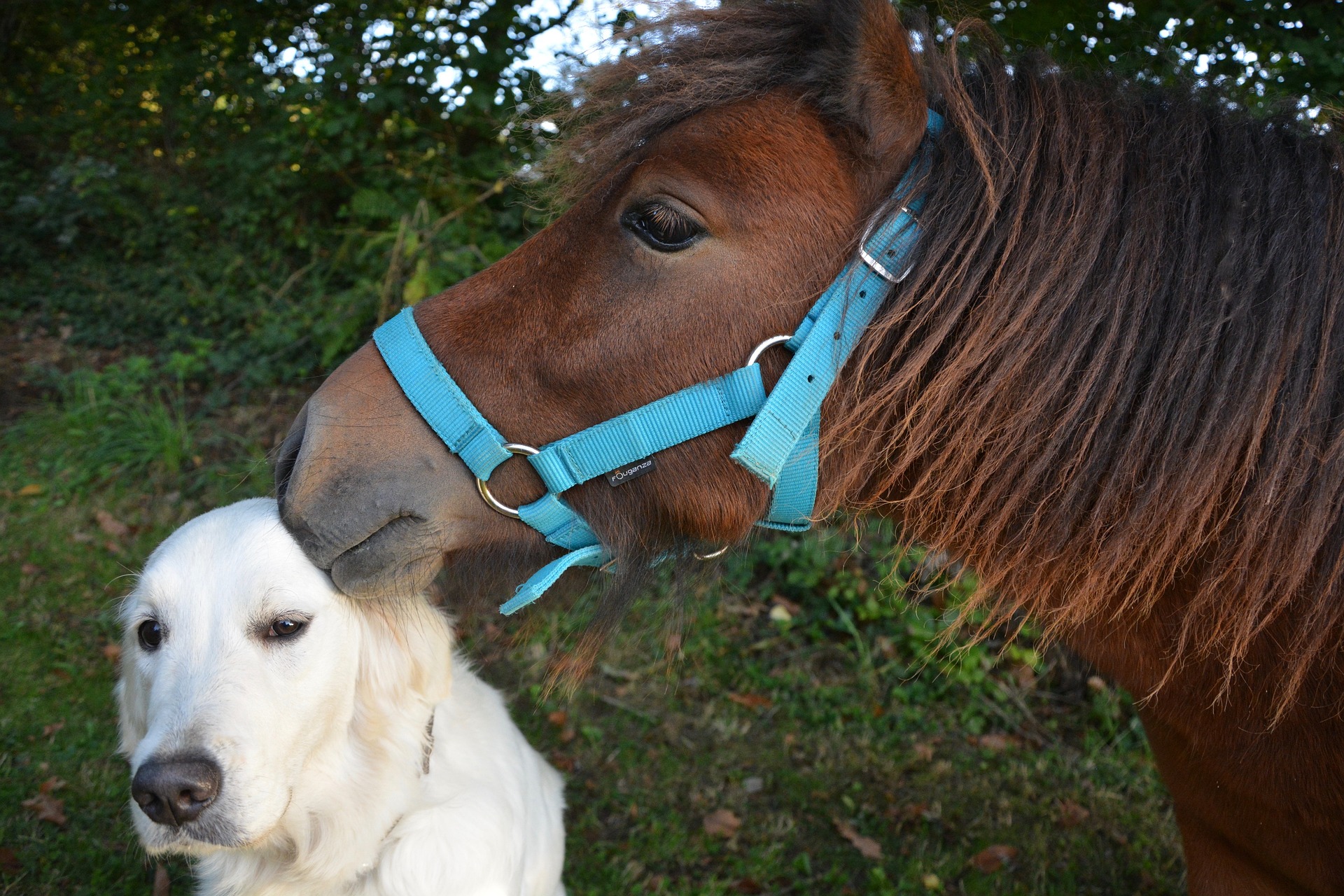
Horse feed should never replace a dog’s regular food. Dogs need a complete and balanced diet formulated for their species and life stage. Horse feed is designed to meet the nutritional requirements of horses, not dogs.
What to Do If Your Dog Eats Horse Feed
If your dog ate horse feed, take a moment to identify the type of feed and estimate how much was consumed. A small amount of ordinary, unmedicated horse feed may cause no problems, but larger amounts and certain ingredients can pose additional risks.
Here are a few steps to take:
- Check the feed label. Look for the product name, ingredients, and any medication or supplemental ingredients. Horse feed products can vary significantly in their formulations.
- Estimate how much your dog ate. A few pellets may present a different level of risk than a large quantity of grain or an entire feed portion.
- Watch for changes in behavior. Vomiting, diarrhea, abdominal discomfort, unusual tiredness, or a loss of appetite may indicate a problem.
- Contact your veterinarian when needed. Seek veterinary guidance promptly if your dog ate a large amount, consumed medicated feed or feed mixed with supplements or medication, or develops concerning symptoms.
Do not induce vomiting or attempt a home treatment unless a veterinarian instructs you to do so. If the feed contains medication or you are unsure about its ingredients, contact your veterinarian promptly, even if your dog appears normal.
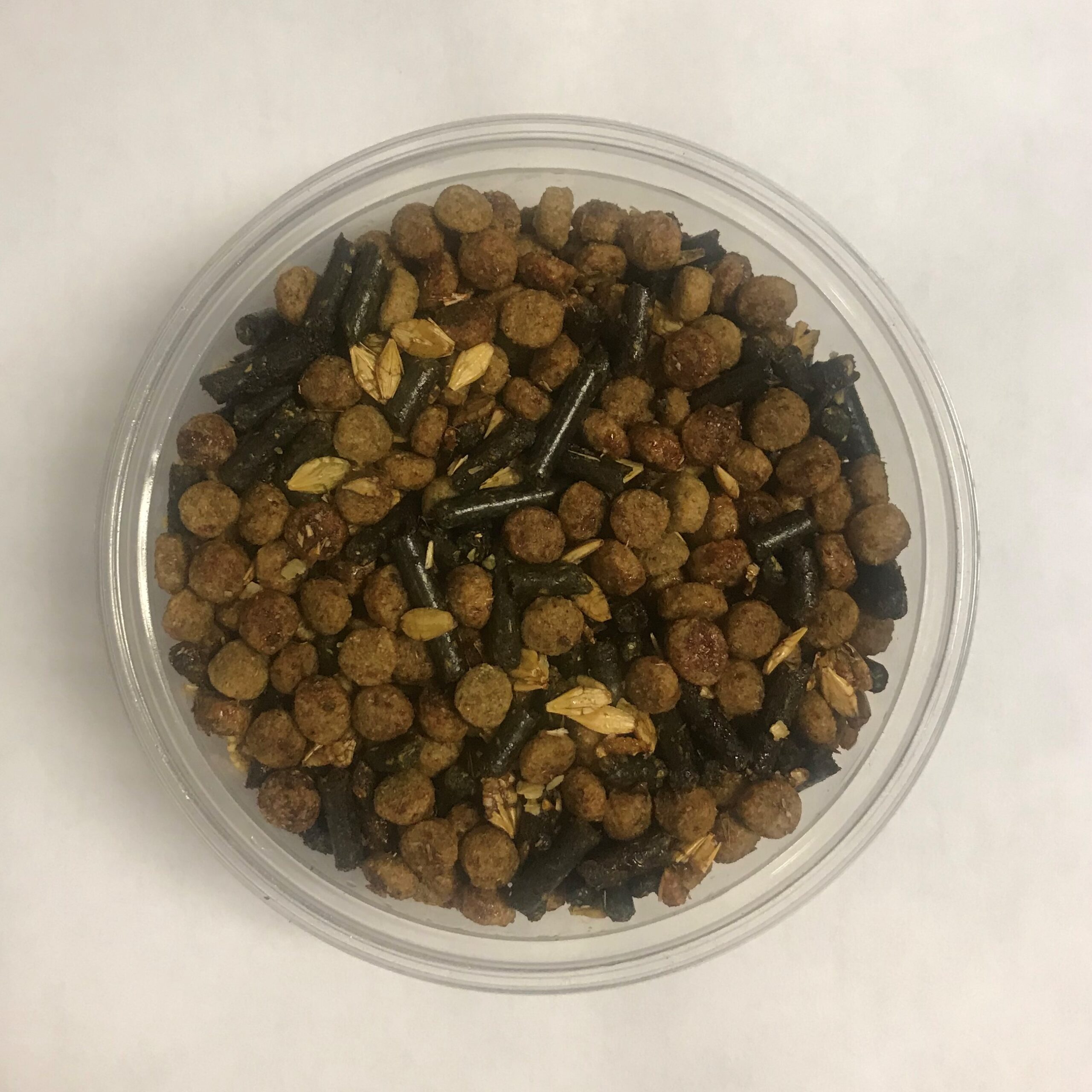
Horse Feed Pellets
Signs to Watch for After Your Dog Eats Horse Feed
Depending on the amount eaten and the ingredients involved, a dog may experience no noticeable effects or develop any digestive symptoms.
Things to watch for include:
- Vomiting
- Diarrhea or loose stools
- Gas or abdominal discomfort
- Reduced appetite
- Unusual tiredness
- Changes in behavior
Contact your veterinarian if your dog develops symptoms, particularly if they are severe, persistent, or worsening. Repeated vomiting, marked weakness, difficulty breathing, or a swollen or painful abdomen warrants urgent veterinary attention.
The absence of immediate symptoms does not rule out a problem, particularly if the feed contained medication or other potentially harmful ingredients.
When Is Horse Feed Dangerous for Dogs?
Although a small amount of ordinary horse feed may not cause problems for many dogs, certain circumstances require extra caution.
Medicated horse feed: Some horse feeds contain medications or other additives that may pose risks to dogs. Contact your veterinarian promptly if your dog eats medicated feed.
Feed mixed with supplements or medication: If horse feed has been mixed with dewormers, supplements, or other medications, the additional ingredients may present a greater concern than the feed itself.
Large quantities of feed: Eating a substantial amount of grain or pellets can cause digestive upset. The type of feed and amount consumed will help your veterinarian assess the risk.
Unusual symptoms: Vomiting, diarrhea, abdominal pain, weakness, or other changes in behavior should not be ignored. Contact your veterinarian for guidance.
Keeping Dogs Safe Around Horse Feed
The best way to prevent problems is to store horse feed securely, supervise pets around feeding areas, and avoid leaving feed buckets where dogs can reach them. Although eating a small amount of ordinary horse feed may not cause problems, the type of feed and quantity consumed matter.
For more information, explore Star Milling’s horse feed options and educational resources on horse nutrition. If your dog eats horse feed and you are concerned about the ingredients or amount consumed, contact your veterinarian for guidance.