
Solving Common Cat
Behavior issues
Cat Food
FAQ
Where
To Buy
Learn How to Solve Common Cat Behavior Issues
Why does my cat scratch the couch, bite during play, pace at night, or seem on edge for no clear reason? These common cat behavior issues usually come back to instinct, stress, routine changes, or physical discomfort.
The good news is that most of these habits can improve with patient training, a more supportive home setup, and balanced daily nutrition. When cat owners understand what drives scratching, biting, restless sleep, and nervous behavior, they can respond with steps that help cats feel more secure and easier to live with.
Why Does My Cat Scratch?
Cats scratch because scratching is a normal part of being a cat. It helps remove worn claw layers, stretches the body, and leaves scent signals in familiar areas. When people ask, why does my cat scratch, the answer is usually simple. The cat is following a natural instinct, not trying to be destructive. That means the goal is not to stop scratching altogether, but to guide your feline toward a better place.
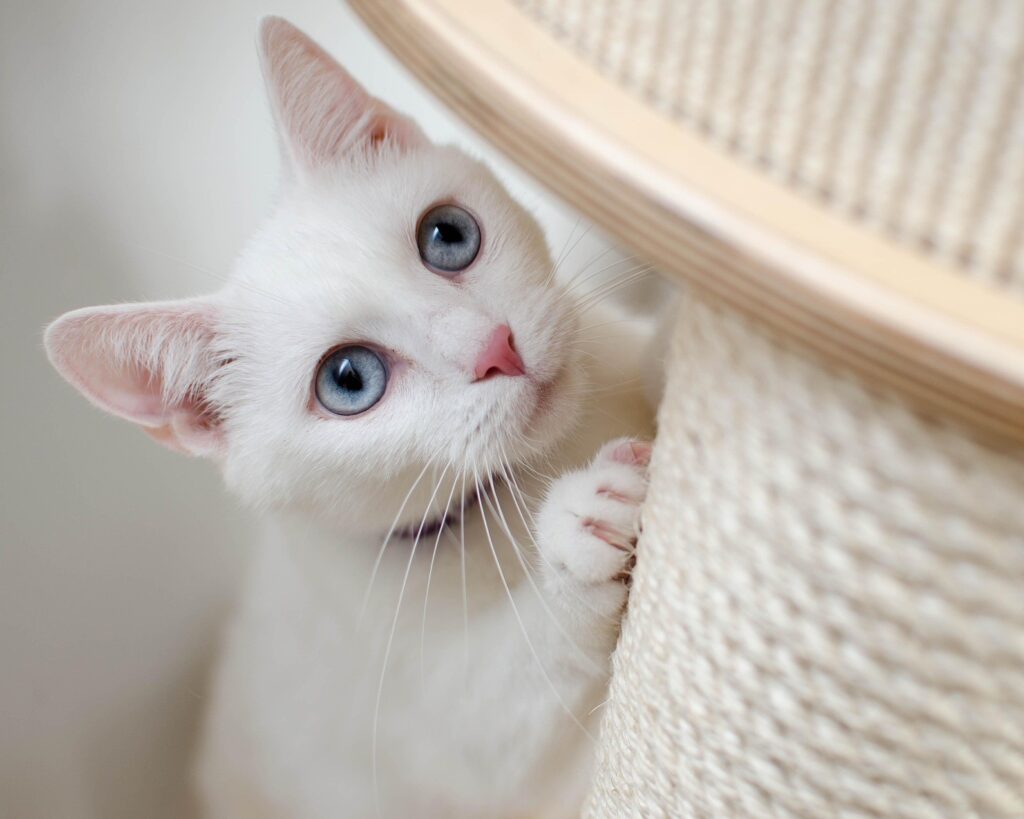
A sturdy scratching post near a favorite resting area or near the spot the cat already uses often works best. Cats usually prefer posts that feel solid under their paws, and many have strong texture preferences. Some like sisal. Others go straight for cardboard.
Location can change everything. A scratching post tucked in a back corner may be ignored, even if the material is perfect. Put it where the habit already happens, then reward the cat for using it. This can be with praise, play, or a treat. Redirecting works far better than scolding, which can raise stress and make the behavior harder to shift.
Cats may also scratch more during stressful periods. A move, a new animal, visitors, or changes in household rhythm can all lead to more marking behavior. In that case, the scratching is often part of a bigger adjustment process.
How To Stop Cat Biting Without Making Playtime Worse?
The best way to stop cat biting is to teach cats that hands are never toys and rough play always ends the fun. Biting often shows up when a cat gets overstimulated, frustrated, or too excited during play.
Kittens do this often because they are still learning control. Adult cats may bite when they feel cornered, pushed past a limit, or wound up by fast hand movement.
Interactive toys help redirect that energy. Wand toys, soft toss toys, and kicker toys give cats something appropriate to stalk and grab. Once biting starts, stop the game right away. That clear response teaches a useful lesson over time. Gentle play keeps going. Biting does not.
Cats also give warnings before they bite. A twitching tail, stiff body, flattened ears, wide eyes, or sudden skin rippling can all signal that the cat has had enough. Respecting those signals helps build trust and reduces defensive reactions.
Some cats bite more when they are bored. Others bite more when they are stressed or not feeling well. A cat that suddenly starts biting after being easygoing in the past may need a veterinary check. Pain can change behavior fast, and it doesn’t always show up in obvious ways.
Cat Sleeping Issues: Getting Them to Sleep At Night
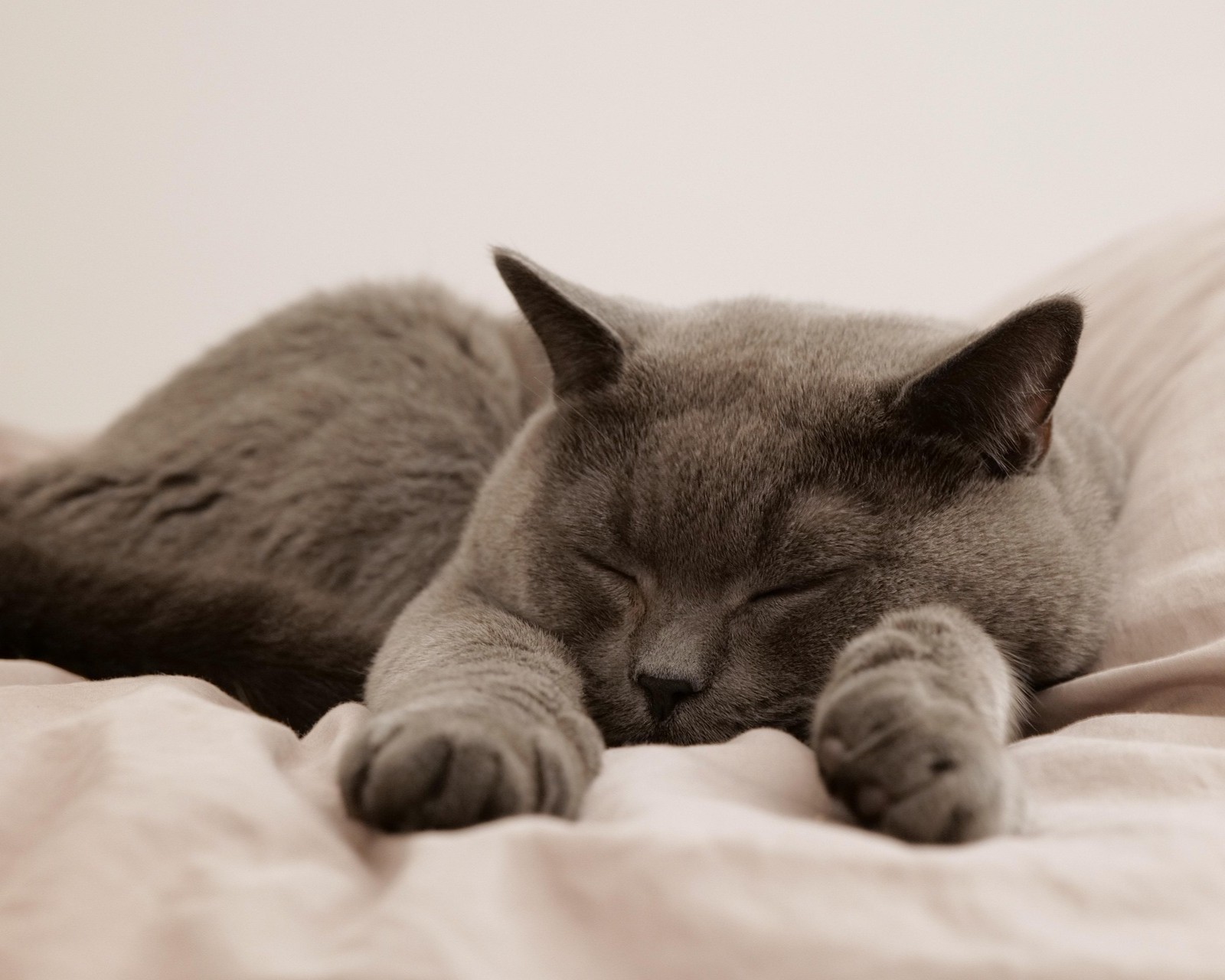
Most cat sleeping issues start with a mismatch between a cat’s natural crepuscular rhythm and the household schedule. Cats are often most active in the early morning and evening. That can lead to zoomies at bedtime, loud wakeups before dawn, or pacing through the house while everyone else is trying to rest.
A better evening routine can help. Interactive play before bed gives cats a chance to chase, pounce, and burn off energy in a healthy way. Feeding after play can also support better rest because it follows a natural pattern. Hunt first. Eat next. Settle down after that.
Restless nights can also point to stress, hunger, or physical discomfort. A cat that feels uneasy in the home may stay more alert after dark. An older cat may wake more often because of age-related changes. A cat dealing with digestive upset may have trouble relaxing fully.
Which Cat Anxiety Solutions Work Best At Home?
The most helpful cat anxiety solutions create a home that feels predictable and safe. Cats tend to relax when daily life follows a rhythm they can count on. Regular mealtimes, familiar rest areas, and calm interaction all support a more secure state of mind.
An anxious cat may hide, vocalize more, scratch more often, overgroom, or become clingy. Some cats pull away when stressed. Others stay close to people and seem unable to settle. These responses can look very different, but the cause is often the same. The cat doesn’t feel secure in its surroundings.
Safe spaces help. A cat tree, a covered bed, or a room away from noise can give a worried cat a place to decompress. Vertical space is useful because many cats feel safer when they can watch from above. Slow introductions also help when something in the home changes, including visitors, new pets, or a move.
When Cat Behavior Problems Need Veterinary Support
Some behavior issues improve with home changes and consistency. Others need medical guidance. Sudden aggression, major changes in sleep, severe anxiety, or biting that appears without warning should be discussed with a veterinarian.
Cats rarely act out for no reason. Once owners understand what is driving the behavior, they can take practical steps that help their cat feel safer, healthier, and more settled at home.
How Ultra Balance Chicken & Rice Cat Food Supports Better Behavior
Nutrition supports cat behavior by helping cats feel satisfied, comfortable, and physically well. A cat that is hungry between meals, dealing with digestive strain, or running on poor-quality fuel may be more restless, irritable, or prone to stress-driven habits.
Ultra Balance Chicken & Rice Cat Food is a natural cat food made with a high protein formula, making it a smart fit for owners who want to support their cat’s daily wellness while working on behavior concerns.
In a home where scratching, biting, or cat sleeping issues have become a source of stress, a consistent feeding routine with balanced nutrition can support steadier energy and everyday comfort. That kind of support can make behavior work easier. Cats that feel good physically are often more able to relax, adapt, and respond well to routine changes.