
Treats for Horses
What’s good and what’s bad
About
Our Feed
Equine
Products
Dr. Bray's
Corner
Equine
Nutrition FAQ
Where
to Buy
The Best and Worst Treats for Horses: How to Treat Your Horse Safely
Giving your horse a treat is one of the simplest ways to build a bond, reinforce good behavior, or just share a sweet moment at the barn. Whether you’re offering a reward after training or giving your equine friend a little extra love, treats can be a fun part of horse ownership. But not all treats for horses are created equal and some can even be risky if fed incorrectly.
Treats should always remain just that: an occasional reward, not a major part of the diet. Horses thrive on consistency, balanced feed, and forage-based nutrition. Too many treats, overly sugary items, or foods with the wrong texture can increase the risk of choking, digestive upset, and other health issues.
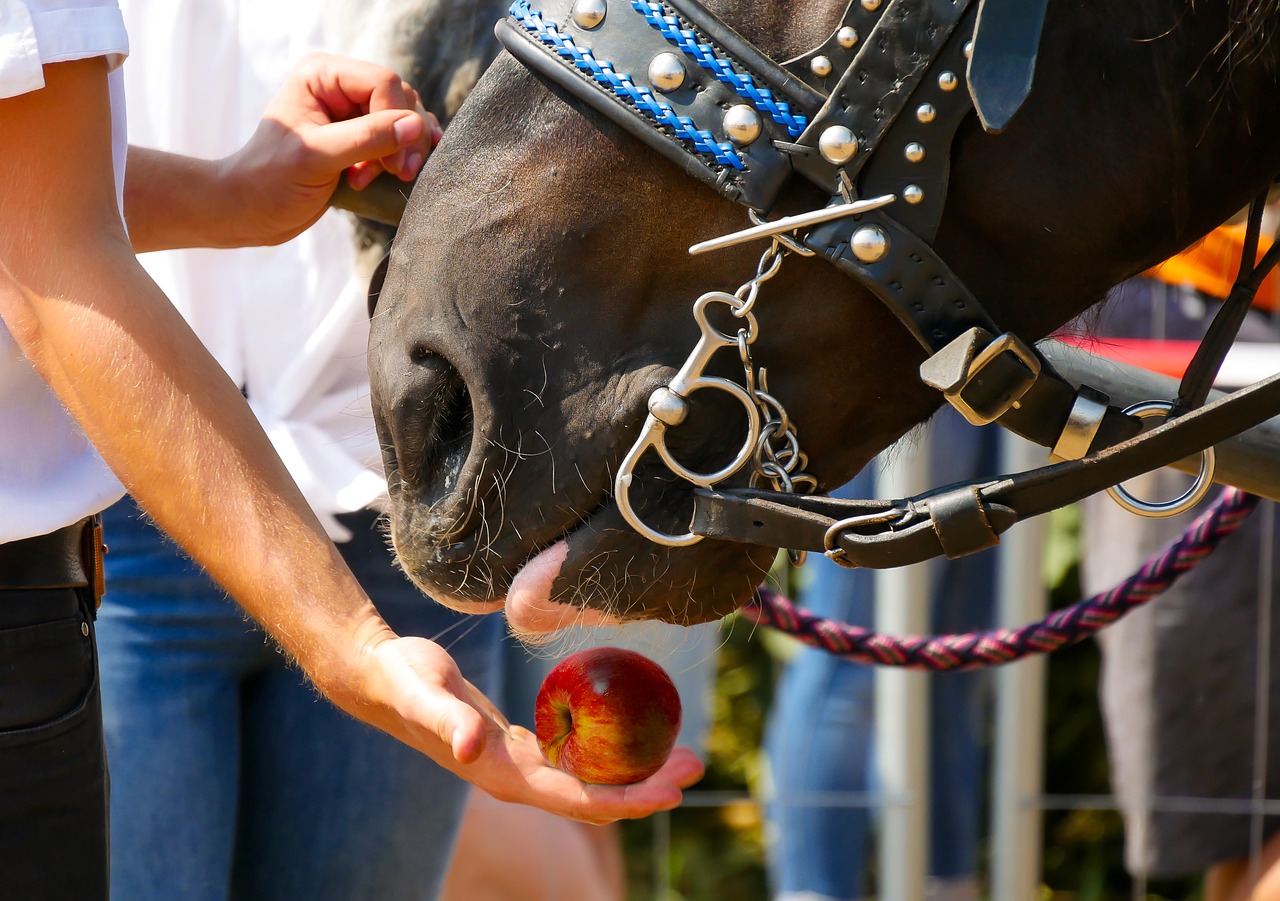
To help you make the best choices for your horse, here’s a guide to both good and bad treats for horses, plus simple rules to follow for safe treat-feeding.
General Rules for Feeding Treats to Horses
Before diving into specific treat options, it’s important to set a few ground rules. These guidelines help keep treat-giving fun, safe, and appropriate for your horse’s health.
1. Feed Only Small Amounts
A treat should be just a taste—never a meal. Small amounts prevent excess sugar intake and reduce the risk of digestive upset.
2. Limit How Often You Give Treats
Frequent feeding encourages pushy behavior and can contribute to weight gain. Keep treats occasional so they stay special.
3. Pay Attention to Size and Texture
The texture of a treat matters. Horses may get excited around tasty-smelling treats and chew less, which increases the risk of choking. Hard, dense, or dry treats are more likely to lodge in the throat, especially for aggressive eaters or horses with dental issues.
With these basics in mind, let’s look at the best and worst treats for horses and why some options work better than others.
Good Treats for Horses
Many horse owners love sharing fruits, commercial treats, or even feed as a reward. Here are some of the best choices and what makes them safe when fed correctly.
Apple Slices
Apples are one of the most common treats for horses, and for good reason. However, it’s important not to feed them whole. Instead, cut apples into thin slices or use an apple corer to create wedges that are easier to chew and swallow. A medium-sized apple contains about 19 grams of sugar, so be mindful of quantity. While apples are safe in moderation, too many can contribute to unnecessary sugar intake.
Sugar Cubes
Sugar cubes are one of the oldest traditional treats for horses. Each cube contains around 4 grams of sugar, about one teaspoon. While they should be fed sparingly, a cube or two is perfectly fine for most horses. Keep in mind that all feed (except oil and water) contains some level of sugar or starch. For perspective, one apple equals nearly five sugar cubes. Moderation is key.
Cookies (Sparingly)
Grocery store cookies are often the most sugar-heavy—and most expensive—option on this list. For comparison:
-
Sugar cookie: 9g sugar
-
Ginger snap: 7g sugar
-
Sugar cube: 4g sugar
Cookies can be a delightful treat, but they should remain an infrequent indulgence. Also be mindful of ingredients such as chocolate chips, which should NEVER be fed to horses.
Orange Peels
This may surprise some horse owners, but orange peels make excellent natural treats for horses. They are mostly fiber with small amounts of vitamins and minerals, and horses often enjoy the citrus aroma. Many packers and trail riders have fed leftover orange peels for decades. Because you’re only offering a small amount, their nutritional impact is minimal—but they’re a fun and safe option.
Peppermint Candies
Peppermints are a barn favorite and many horses absolutely love them. A single Star Brite peppermint contains about 3.7 grams of sugar, making it slightly lower in sugar than a typical sugar cube. If you choose to feed peppermint candies, always remove wrappers and limit them to an occasional reward. For more details, see resources such as “Peppermint Treats are OK for Your Horse.”
Commercial Horse Treats
Feed stores carry a wide variety of treats specifically formulated for horses. These can be great choices, but always check the ingredient list. Some treats contain unnecessary fillers, artificial colors, or high sugar content. When in doubt, choose options made from simple, recognizable ingredients such as Star Milling’s Apple Smacks Horse Treats. These nutritious, apple-flavored treats for horses are made with corn, wheat bran, and flaxseed other natural ingredients that any horse will love.
Also, remember that one of the safest and most nutritious treats for horses is actually the feed they already eat. A small handful of your horse’s current formula provides the same rewarding experience as other treats but with balanced nutrition and predictable ingredients. This approach avoids unnecessary sugars and lets your horse enjoy something familiar and safe.
Bad Treats for Horses
Not all foods are safe for horses. Some are choking hazards, others pose digestive risks, and a few can even be toxic. Here are two treats you should avoid.
Carrots (High Choke Risk)
Many people are surprised to learn that carrots can be risky treats for horses. While commonly fed, carrots are firm, solid, and break into dense chunks. They do not soften well in saliva, increasing the risk of choke — especially for aggressive eaters or horses with dental issues. If you choose to give carrots at all, monitor your horse carefully while they eat. But due to their texture, they are not recommended.
Baked Goods (High Choke & Fermentation Risk)
Bread, muffins, rolls, and similar baked goods may seem soft, but they can easily form a sticky, dough-like ball in the horse’s throat, increasing the risk of choke. In the stomach, these foods can also ferment quickly, leading to gas, discomfort, or digestive upset. While horses may enjoy the taste, bread provides little nutritional value and poses unnecessary risk, making it a poor choice for a treat.
Chocolate (Toxic)
Just like dogs, horses are sensitive to theobromine, a chemical found in chocolate and cocoa products. In large enough amounts, it can be toxic. For this reason, avoid any cookies, candies, or baked goods that contain chocolate chips, cocoa powder, or similar ingredients. Because even small amounts can cause sensitivity in some horses, it’s safest to avoid chocolate entirely to prevent accidental poisoning.
Lawn Clippings or Garden Produce
Grass clippings, wilted plants, or leftover garden produce should never be fed as treats for horses. Fresh clippings ferment rapidly, which can cause colic or even laminitis. Garden plants may contain toxic species (such as tomato plants, certain vegetables, or ornamental flowers) that horses should not ingest. Because it’s nearly impossible to control what ends up in lawn or garden waste, this category is unsafe.
Final Thoughts on Safe Treats for Horses
Treats can strengthen your bond with your horse, make training more enjoyable, and give your equine companion a little extra happiness. But choosing the right treats for horses is essential for safety and long-term health.
Always remember to:
-
Feed treats in small amounts
-
Limit frequency
-
Be mindful of texture and sugar levels
-
Avoid toxic or high-risk foods
-
When in doubt, choose simple and safe treats like apple slices, commercial horse treats, or a handful of Integrity feed
When offered responsibly, treats can be a positive and enjoyable part of caring for your horse. A little planning goes a long way in keeping your horse healthy, happy, and safe.