
Bird Behavior Explained
What your bird is trying to tell you
Bifd Feed
FAQ
Where
To Buy
Understanding Bird Behavior: What Your Bird Is Trying to Tell You
Bird behavior explained starts with a simple truth: your bird is communicating all day long. A parrot’s scream, a cockatiel’s head-bob, a pigeon’s pacing, or a change in posture can all point to comfort, stress, excitement, curiosity, or the need for attention. Once you know how to read those signals, it becomes easier to support your bird’s well-being and build trust through better daily care. That starts with learning how to look at behavior in context, not as a single isolated moment.
How To Read Bird Behavior At Home
Birds communicate through sound, movement, and body language, and each signal makes more sense when you look at the full picture. The best way to read bird behavior is to look at patterns, not isolated moments. A single sound or movement can be misleading on its own, but timing, posture, and surroundings usually reveal what your bird is trying to say.
Start by noticing what happens before the behavior begins. A bird that chirps while playing, eating, or greeting you is usually showing interest and social engagement. A bird that vocalizes while pacing, flattening feathers, or pulling away may be showing stress or discomfort instead. Reading body language alongside vocal sounds gives you a more accurate view of how your bird feels.
It also helps to watch for changes in your bird’s version of normal. A behavior that seems sudden often has a cause, even when it is not obvious right away. Careful observation helps owners respond with more confidence and less guesswork. That same close observation can also help you recognize something more positive: the signs that your bird feels safe and comfortable with you.
How To Tell If A Bird Likes You?
A bird that likes you will usually show comfort, trust, and steady interest in your presence. Calm body language is often a stronger sign of affection than dramatic behavior.
Many birds lean toward the people they trust, remain relaxed during handling, and stay curious instead of backing away. They may chirp when you enter the room, step onto your hand more easily, or settle nearby without tension. Some birds preen in your presence, take treats gently, or rest comfortably close to you.
Trust usually builds through repetition. A bird that feels safe with you tends to show that safety through consistent behavior over time. And when that sense of safety extends to your bird’s daily environment, it often shows up as broader signs of comfort and contentment.
How Can You Tell When A Bird Is Happy?
A happy bird usually looks engaged, comfortable, and settled in its environment. Relaxed posture, playful movement, soft vocalizing, and a healthy appetite are all positive signs. Happy birds often explore their space, interact with toys, respond to familiar people, and move with balanced energy.
Some birds show contentment through activity, while others show it through calm body language. Beak grinding before rest, comfortable preening, and perching at ease can all point to a bird that feels secure.
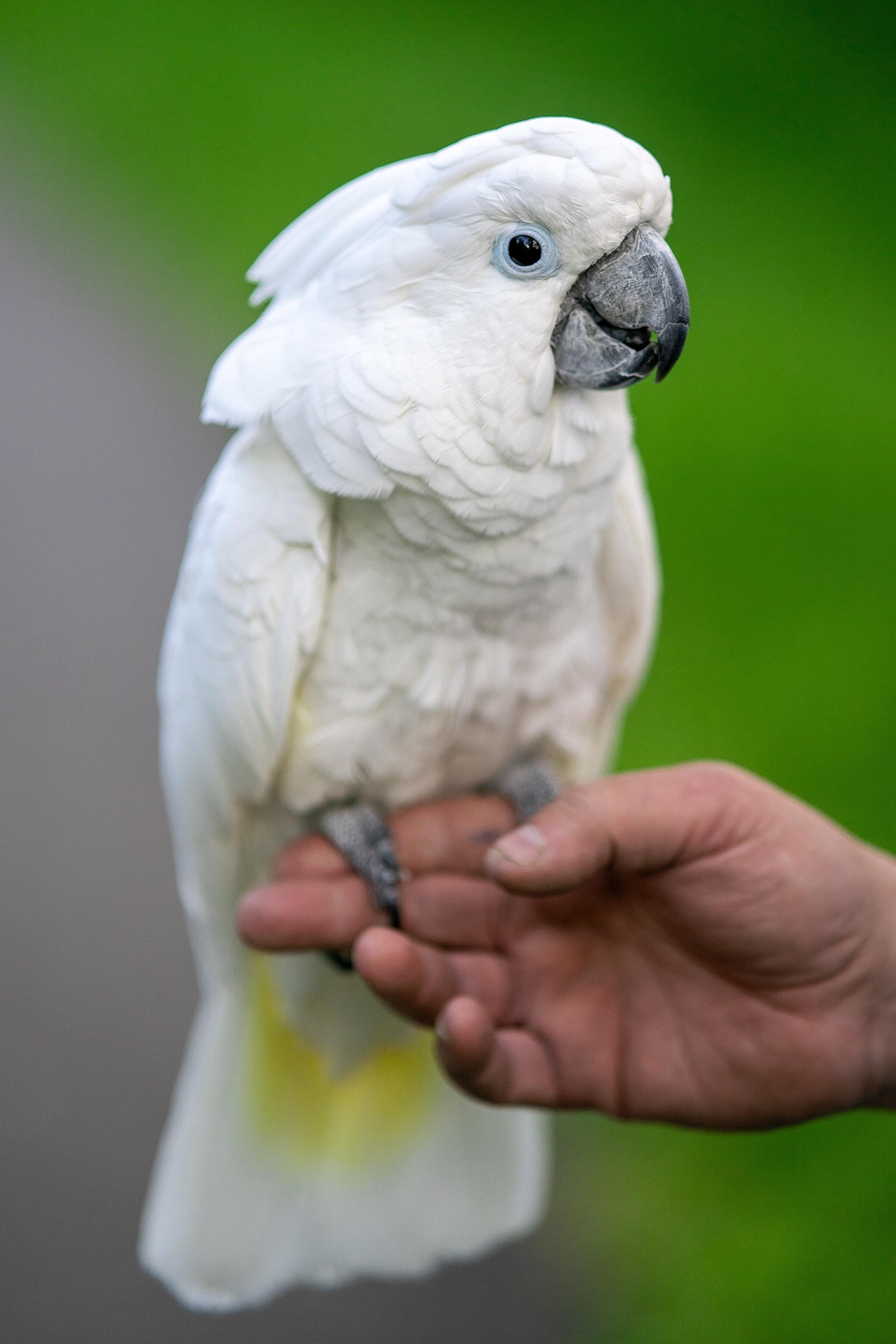
Behavior and health are closely linked, so happiness often reflects good overall care. Birds thrive when their routine supports rest, enrichment, nutrition, and a calm environment. That said, the way happiness and stress show up can vary from one type of bird to another, which is why species-specific behavior is worth understanding.
How Different Birds Communicate In Different Ways
Different species show behavior in different ways, so good care starts with understanding the bird in front of you. The same action can mean different things depending on what specific bird you’re caring for.
Parakeet Interactions
Parakeets often communicate through chirping, movement, and close social interaction. Their active nature makes diet an especially important part of daily care. Consistent feeding with a species-appropriate option like Star Milling Parakeet Mix can help support consistent energy, healthy daily habits, and overall condition in active parakeets.
Dove & Quail Movements
Doves and quail often express themselves through posture, movement, and changes in group behavior. Because daily behavior is closely tied to steady care, using a feed like Star Milling Dove & Quail Mix can help support the overall condition these birds need to stay active and settled.
Pigeon Pacing
Pigeons communicate through pacing, cooing, circling, and flock interaction. Birds kept in loft settings or performance programs often benefit from nutrition that aligns with their activity level. Feeds like Star Milling Pigeon Feed and Ace Hi Racing Pigeon Pellets make more sense as part of a full care plan, helping support steady energy, body condition, and the consistency that can influence how pigeons behave day to day.
Cockatiel Body Language
Cockatiel body language offers clear clues about mood and comfort. Crest position, posture, feather tension, and movement all help show what a cockatiel is feeling. A raised crest often signals alert interest or surprise. A relaxed crest usually points to comfort. A flattened crest may suggest fear, irritation, or defensiveness, especially when it appears with hissing or avoidance. These signals are easy to miss at first, but they become easier to recognize with daily observation.
A species-appropriate feed like Star Milling Cockatiel Mix can help support steady condition, healthy habits, and the balanced daily care that often shows up in more relaxed behavior.
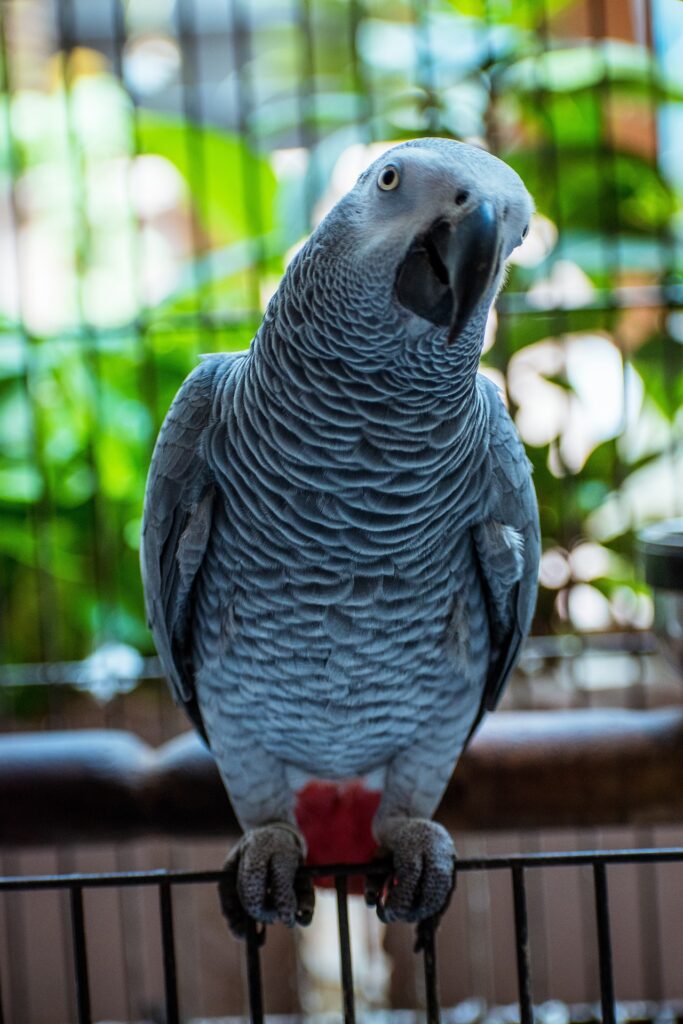
Parrot Vocalizations: Why do parrots scream?
Parrots are very social birds, and loud calls are part of how they check in with their flock, react to activity, and respond to changes around them. Brief vocal bursts in the morning or evening are common in many parrot species.
The real concern is repeated screaming that becomes frequent, prolonged, or tied to visible stress. A parrot that screams for long stretches may be dealing with loneliness, poor sleep, hunger, inconsistency, or a lack of mental stimulation.
A calm, steady routine can help reduce excessive screaming. Daily interaction, a stable sleep schedule, and species-appropriate nutrition all support healthier behavior.
For parrots, a feed like Star Milling Parrot Mix works best as part of that larger plan, helping support regular energy, overall condition, and the day-to-day consistency that often shapes behavior.
Learning Your Bird’s Language Builds A Stronger Bond
Birds communicate with purpose, even when their signals take time to understand. The more familiar you become with your bird’s sounds, posture, and daily patterns, the easier it becomes to spot comfort, stress, affection, and changing needs.
That knowledge helps you make better care decisions. It also helps your bird feel safer and more understood at home. When patient observation is paired with reliable routines, thoughtful enrichment, and species-appropriate feed, owners can support healthier behavior, stronger daily condition, and a more trusting human-animal bond.