
What Should You Feed Goats?
A complete nutrition guide
LIVESTOCK FEED FAQ
GRAINS & SIMPLE INGREDIENTS
WHERE TO BUY
Feeding Goats: A Complete Nutrition Guide
Feeding goats can feel simple at first; until you realize they are curious, selective, and very good at acting like everything within reach belongs on the menu. Goats do best on a forage-first feeding plan built around good pasture, quality hay, clean water, and goat-specific minerals. Grain and prepared goat feed can be helpful, but they should support the diet rather than replace roughage.
A good rule of thumb is to start with what goats are built to eat: fibrous plants that keep the rumen working well. From there, you can add the right minerals, grain, or prepared goat feed based on each animal’s age, body condition, and stage of life.
What Do Goats Eat?
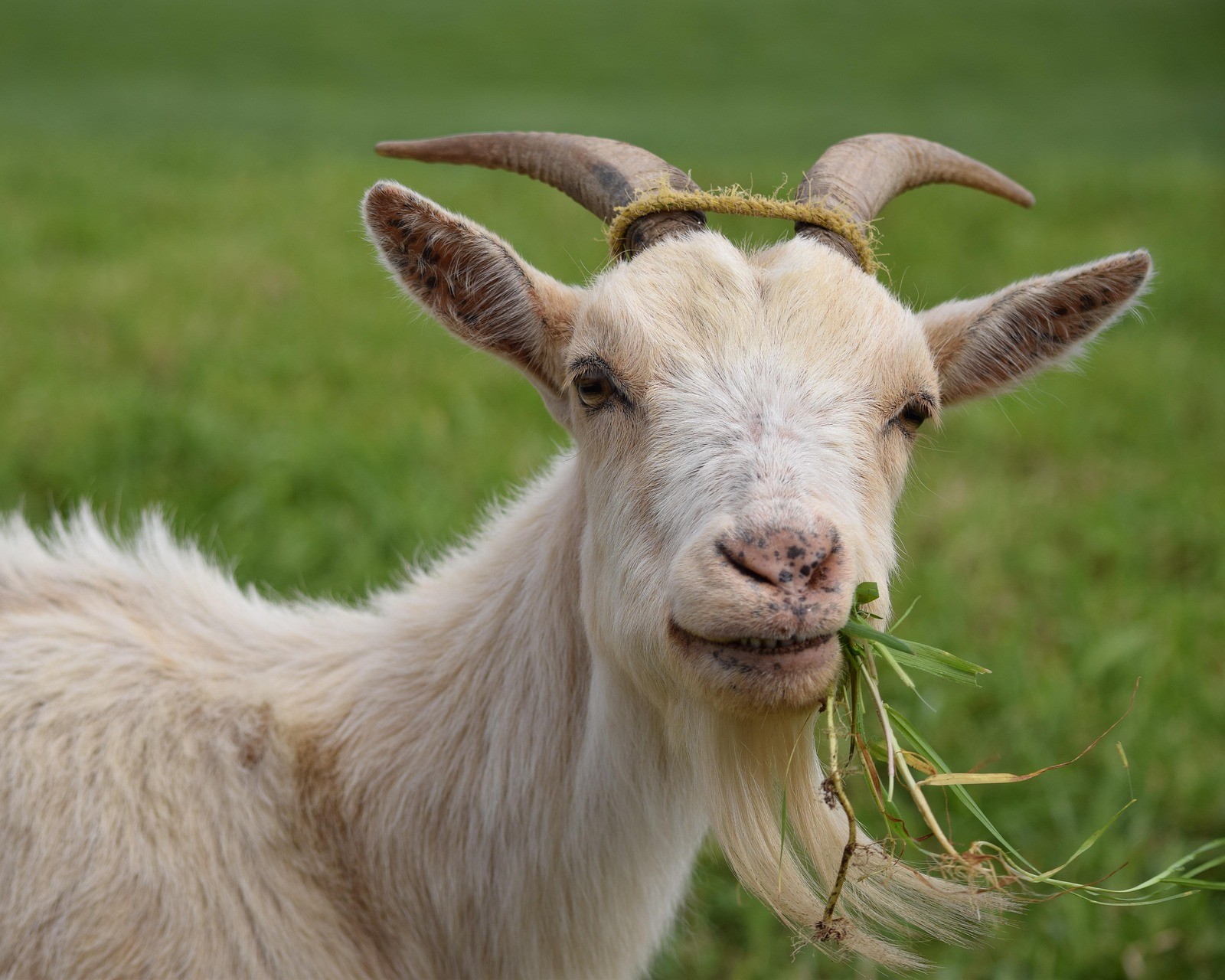
Goats eat pasture, hay, chopped forage, minerals, water, and, when needed, grain or a goat feed. They are natural browsers, which means they often prefer leaves, brush, vines, shrubs, and weeds over grass alone. This browsing habit is one reason goats can do well on varied forage, but it doesn’t mean they can safely eat anything they find.
A good feeding plan gives goats dependable roughage each day. Roughage supports rumen activity, helps maintain healthy digestion, and gives goats something to chew throughout the day. When forage is poor, limited, or inconsistent, goats may need added nutrition from hay, chopped forage, or a prepared feed.
Goat Feed Starts with Quality Forage
Forage should be the foundation of most goat diets. Goats with access to healthy pasture and brush may meet many of their daily needs through grazing and browsing, especially if they are mature, non-lactating, and in good body condition.
Hay becomes especially important when pasture is limited, during dry weather, in winter, or for goats kept in smaller spaces. Good hay should smell fresh, feel dry, and be free from mold and heavy dust.
Grass hay can work well for many mature goats at maintenance. Alfalfa hay is higher in protein and calcium, so it is often helpful for growing kids, pregnant does, and lactating does that need more nutritional support.
Chopped forage can also be useful when you want a consistent roughage source with less sorting and waste. It may be especially practical for smaller herds, goats with limited pasture, or feeding setups where full hay bales are harder to store.
How Grain Fits into Goat Nutrition
Grain and prepared goat feed can be valuable, but they should support the diet rather than take over the diet. Goats that are growing, producing milk, carrying kids, recovering condition, or working through breeding season may need more energy and protein than forage alone provides.
The best feed for goats is the one that fits their current needs without overfeeding them:
- A mature pet goat in good condition may need little or no grain if forage quality is strong.
- A dairy doe in milk may need a richer ration to help support production.
- Growing kids may need added protein and energy for healthy development.
- Bucks may need extra support before and during breeding season, but too much grain can create health problems.
Introduce any new goat feed gradually. Sudden changes can upset the rumen and lead to digestive trouble. Start small, increase slowly, and watch appetite, manure, body condition, and behavior as the goat adjusts.
Minerals Support Daily Health
Goats need a goat-specific mineral blend as part of their daily care. Minerals help support bone development, reproduction, immune health, coat quality, and overall health. Important minerals for goats include calcium, phosphorus, magnesium, salt, copper, zinc, selenium, and iodine.
Needs can vary by region because soil and forage quality are different from one area to another.
If your herd has poor coat quality, weak growth, fertility concerns, or kids that struggle after birth, talk with your veterinarian or local extension office. Feed, parasites, illness, and mineral balance can overlap, so it helps to look at the full picture.
Feeding Goats by Life Stage
Kids begin with colostrum and milk, then slowly learn to eat hay, browse, and starter feed. As their rumen develops, they need clean water, fresh forage, and a livestock feed plan that supports steady growth without pushing them too hard.
Mature maintenance goats usually do well with quality forage, clean water, and minerals. Many pets, wethers, and dry does can maintain healthy condition with little concentrate if their forage is strong. Body condition checks are helpful because a goat’s coat can hide weight changes.
Pregnant does need steady nutrition throughout gestation, with added attention during the final weeks before kidding. Lactating does often need more energy, protein, and calcium because milk production places more demand on the body.
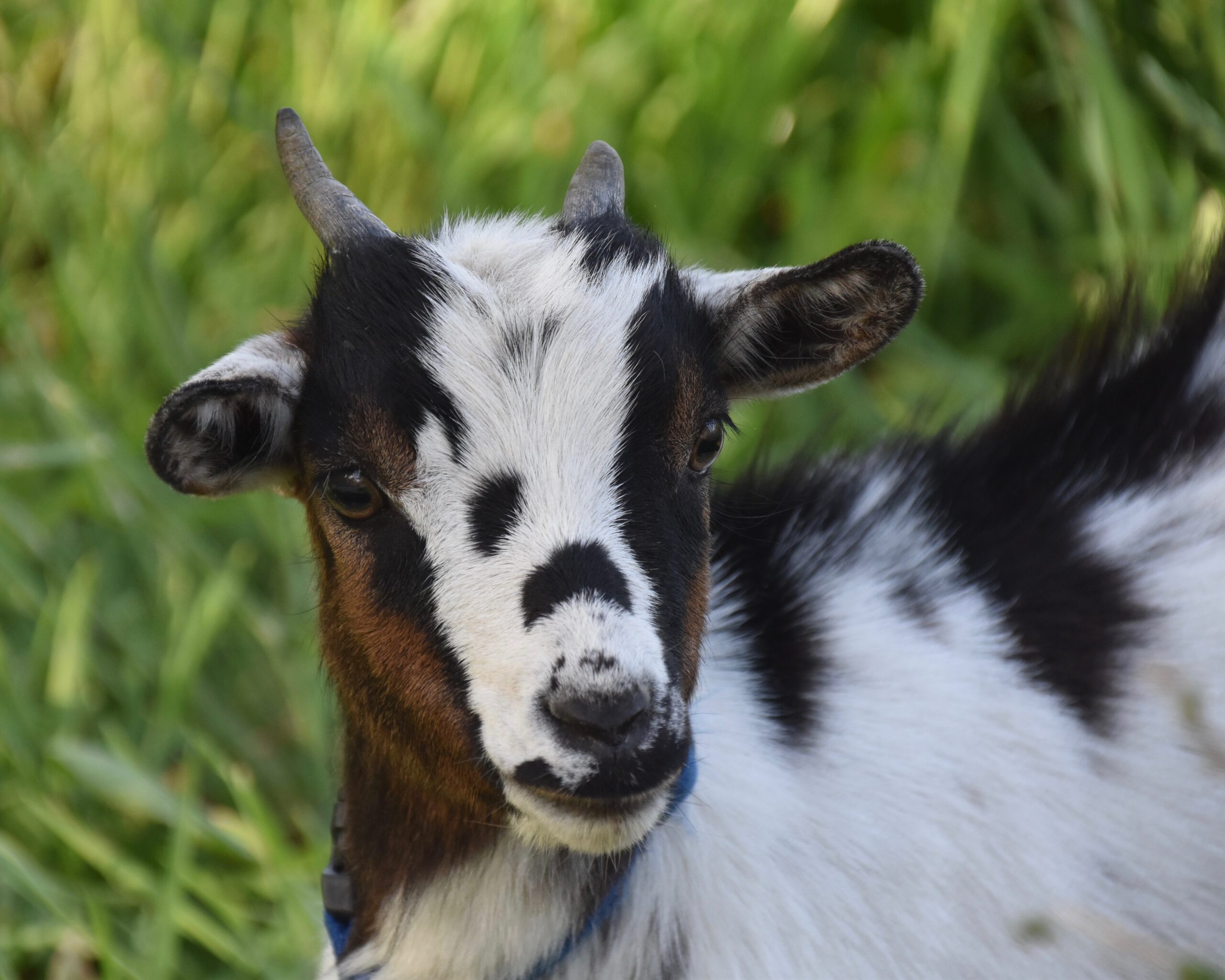
Bucks need to stay fit, especially around breeding season, but they shouldn’t become heavy from excess grain.
Best Practices for Feeding Goats
- Feed changes should happen slowly over several days to give the rumen time to adjust and reduce digestive stress.
- Keep hay and grain off the ground when possible to limit waste and contamination.
- Store feed in a dry, covered container that protects it from moisture, rodents, and pests.
- Fresh water should always be available. Goats may drink less when water is dirty, stale, too warm, or icy cold. Low water intake can affect feed intake and overall health, especially during hot weather, pregnancy, and milk production.
Pay attention to daily habits. A healthy goat is alert, interested in feed, chewing cud, and staying connected with the herd. A goat that stops eating, appears bloated, acts weak, or separates from the group needs prompt attention.
Choosing the Best Feed for Goats
The best feed for goats depends on the animal in front of you. Start with forage quality, then choose support feed based on age, workload, milk production, pregnancy, and body condition.
For a dependable grain option, Ace Hi Goat Feed can fit into a balanced program when goats need supplemental nutrition. For dairy-focused herds, Kelley’s Alpine Goat Feedis another option to consider as part of a complete feeding plan. If you want a convenient forage product, Standlee Grazlee Chopped Alfalfa Timothy for Goats can help provide a consistent roughage source.
When you start with quality forage, add the right minerals, and use supplemental feed with intention, you give your herd a strong foundation for healthy growth, steady condition, and daily well-being.