
What Should You Feed Pigs
for optimal growth?
LIVESTOCK FEED FAQ
GRAINS & SIMPLE INGREDIENTS
WHERE TO BUY
What Should You Feed Pigs for Optimal Growth?
Knowing what to feed pigs can feel complicated at first, especially when young pigs grow quickly and their needs change from one stage to the next. The simple answer is that pigs grow best on a complete swine diet that matches their weight, age, and purpose.
For optimal growth, pigs need steady energy from grains, quality protein sources, the right amino acid balance, vitamins, minerals, and constant access to clean water. Young pigs need a nutrient-dense starter feed. Growing pigs need balanced feed that supports frame and muscle development. Finishing pigs need a ration that helps them gain weight efficiently as they move toward market size. A good hog feeding plan supports healthy appetite, sound growth, and easier day-to-day care.
What to Feed Pigs: The Simple Answer
The best pig feed is usually a complete feed formulated for the pig’s current stage of growth. Complete feeds are designed to provide the right balance of nutrients without asking the owner to mix grains, protein sources, vitamins, and minerals by hand.
A balanced pig nutrition plan starts with energy
Grains like corn, wheat, and similar ingredients help supply the calories pigs need for growth and daily activity. Energy is especially useful for pigs that are gaining weight quickly, but grain alone does not make a complete diet.
Protein is also essential
Pigs need protein sources that provide amino acids, which help build lean muscle and support normal growth. Lysine is one of the key amino acids in a swine diet, especially for starter and grower pigs.
Vitamins, minerals, and clean water
Calcium and phosphorus support bone development. Salt, trace minerals, and vitamins support normal body function. Water helps pigs eat, digest, regulate body temperature, and maintain steady growth.
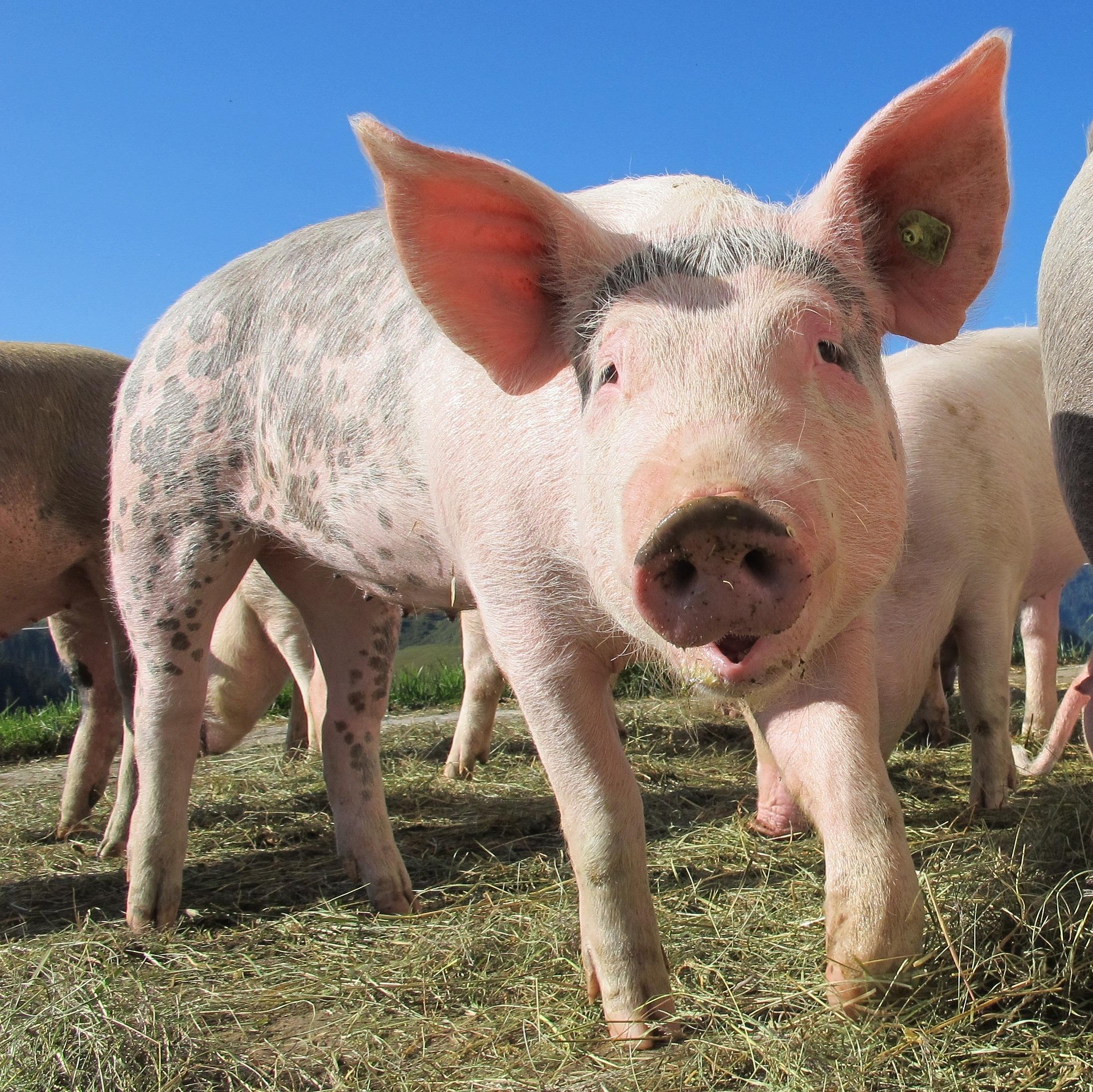
Why Pig Nutrition Should Change by Growth Stage
Feeding pigs for growth works best when the feed changes as the pig grows.
- A young pig has a smaller body, faster development needs, and a stronger need for a nutrient-dense ration.
- A growing pig needs a feed that supports steady frame and muscle development.
- A finishing hog needs a ration that supports healthy gain near market weight.
Using one feed from start to finish can make feeding less efficient. Young pigs may miss the higher nutrition they need early on, while older pigs may receive a ration that no longer matches their growth stage. Implementing stage-specific feeding helps keep the diet aligned with the animal in front of you.
Starter Feed for Young Pigs
Starter feed is designed for young pigs that are ready for a complete ration after the earliest feeding stage. At this point, pigs are growing quickly and need feed that is palatable, consistent, and nutrient-dense.
Ace Hi Pig Starter and Kelley’s Pig Starter for young pigs weighing 25 to 75 pounds are formulated as complete rations for early growth, making them a practical choice for owners who want a clear starting point. Feed starter rations according to the bag directions, and watch how quickly pigs clean up their feed. Young pigs should have steady access to fresh water and feeders that are easy to reach. Clean feeding areas help keep intake consistent and reduce waste.
Grower Feed for Building Size and Muscle
Once pigs move into the middle growth stage, their diet should support steady weight gain, frame development, and muscle growth. This is where a grower feed becomes useful. Grower feeds are formulated for pigs that have moved beyond the starter stage but are not yet ready for finishing feed. Ace Hi Pig Grower and Kelley’s Pig Grower are complete feeds for growing pigs weighing 75 to 175 pounds. They are designed to be fed as the sole ration, which keeps daily feeding simple and consistent.
During the grower stage, pay close attention to appetite and body condition. Pigs should look healthy and active, with steady gain over time. Feed that is left behind, spilled, or pushed out of the feeder should be addressed by adjusting feeder height, feed amount, or feeding routine.
Finisher Feed for the Final Growth Stage
Finisher feed supports pigs as they approach market weight. At this stage, the goal is efficient gain while maintaining a balanced ration. As they grow and mature, pigs still need energy, protein, vitamins, minerals, and water, but the feed is formulated for their later growth stage.
Ace Hi Hog Finisher and Kelley’s Pig Finisher are complete feeds for finishing pigs weighing 175 to 225 pounds. These products are built for the final stage of growth and help owners follow a straightforward feeding plan. Finishing pigs generally eat more per meal than younger pigs. Follow the feeding directions on the bag, then adjust based on appetite, condition, and waste. Pigs should receive feed in clean troughs or feeders, with fresh water available at all times.
How Much Should You Feed Pigs Each Day?
The right amount of feed depends on the pig’s size, environment, growth goal, and appetite. A practical approach is to begin with the product feeding directions, then make small adjustments based on what the pigs eat within a normal feeding period.
For Star Milling pig starter and grower feeds, pigs are generally fed 1.5 to 3 pounds per meal, or what they will eat within about 20 minutes, with two meals per day. For finishing feeds, pigs are generally fed 3 to 4 pounds per meal, two meals per day.
Wasted feed is a sign that something needs attention. Feed may be offered too heavily, the feeder may need adjustment, or pigs may be sorting through feed instead of eating cleanly. Good feeding management helps control cost and keeps the ration fresh.
Feed Safety and Storage Support Better Results
Clean feed handling is part of a good swine diet. Store feed in a cool, dry, ventilated area away from rodents, insects, and moisture. Keep bags closed when not in use, and avoid feeding any product that smells unusual, looks moldy, or has been contaminated.
Kitchen scraps and garden extras should never replace a balanced ration. Produce may be offered in small amounts when appropriate, but pigs need a complete feed as the foundation of their diet. Too many extras can reduce intake of the nutrients pigs need for growth.
Fresh water should be checked daily. Pigs drink more during warm weather and as they grow larger. Waterers should be clean, easy to access, and sized appropriately for the pigs being fed.
Selecting the Best Pig Feed
The best pig feed is the one that fits the pig’s current weight and growth stage. For a simple feeding plan, choose a starter feed for 25 to 75 pounds, a grower feed for 75 to 175 pounds, and a finisher feed for 175 to 225 pounds.
A balanced swine diet should provide grain-based energy, quality protein, key amino acids, vitamins, minerals, and clean water every day. Star Milling’s Ace Hi and Kelley’s pig feeds give owners dependable options at each stage. With the right feed at the right time, you can support healthy growth from the first bag to the final feeding stage.

