
What To Feed Your Horse
A guide to equine nutrition
About Our
Horse Feed
Dr. Bray's
Corner
Equine
Nutrition FAQ
Where
to Buy
What to Feed Your Horse: A Guide to Equine Nutrition
Knowing what to feed your horse starts with understanding its individual nutritional needs. A horse’s diet typically centers on forage, such as pasture grass and hay, with additional horse feed to help meet its energy, protein, vitamin and mineral requirements. The right feeding program depends on factors such as body weight, body condition, age, workload and forage quality.
Whether you’re caring for a lightly ridden pleasure horse, a growing youngster or a senior horse, choosing the right combination of forage and horse feed can help support its overall health and condition. Here’s what to consider when building a feeding program for your horse.
1. Start With Hay and Forage
Forage is the foundation of most horses’ diets. Horses are natural grazers, and their digestive systems are adapted to consuming fibrous plant material throughout the day. Depending on availability and nutritional needs, forage may include pasture grass, grass hay, legume hay or processed forage products.
Common forage options include:
- Grass hay: Timothy, orchard grass and Bermuda grass are examples of grass hays that provide fiber. Their nutrient content varies with maturity, growing conditions and quality.
- Legume hay: Alfalfa is a legume forage that generally contains more protein, calcium and energy than many grass hays.
- Pasture: Healthy pasture can provide forage and nutrients, but its availability and nutritional content vary by season, growing conditions and management.
- Processed forage: Hay pellets and cubes can be useful alternatives or additions in certain feeding programs. They should be selected and fed according to the horse’s needs and the product’s feeding directions.
The type and amount of forage your horse needs depend on its size, body condition, activity level and the nutritional quality of the forage available. When possible, forage analysis can help identify nutrient levels and potential gaps in the diet.
💡Tip: Before choosing an additional horse feed, evaluate the forage your horse already receives. Understanding its contribution to the overall diet helps you make more informed feeding decisions.
2. Consider Your Horse’s Body Weight
Body weight is an important starting point when determining how much to feed a horse. Feed labels commonly provide guidelines based on weight, body condition and workload, so a reasonable weight estimate helps you calculate appropriate portions.
Avoid relying on appearance alone. A horse weight tape can provide a useful estimate, while a livestock scale, when available, can provide a more direct measurement to estimate their body weight. Remember that two horses of similar weight may have different nutritional needs. Age, metabolism, body condition, workload and forage quality all influence how much feed is appropriate.
3. Evaluate Body Condition Score
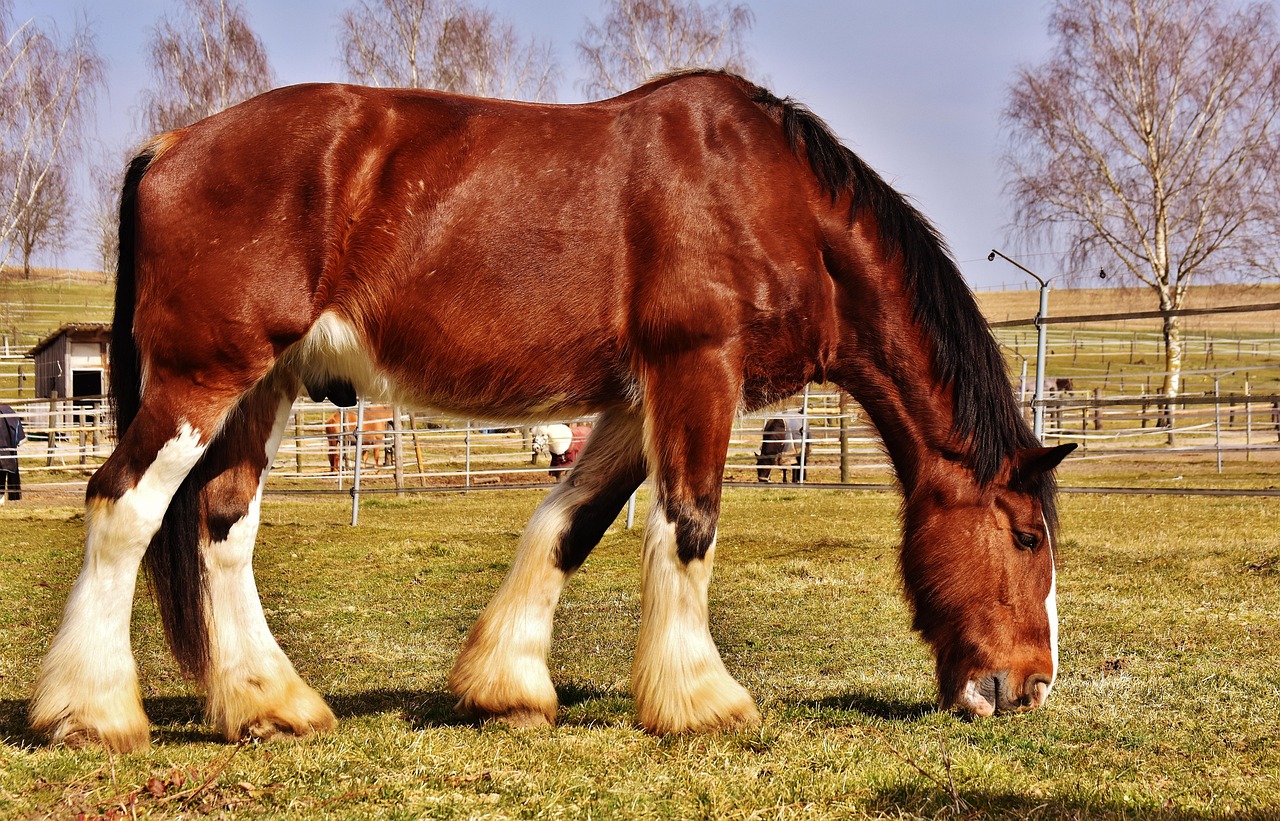
A horse’s body condition score (BCS) helps you assess whether it is carrying too little, too much or an appropriate amount of body fat. The commonly used Henneke system ranges from 1 to 9:
- 1: Poor, extremely emaciated condition
- 5: Moderate condition, generally considered ideal for many adult horses
- 9: Extremely fat condition
The score is based on fat coverage in areas such as the neck, withers, shoulders, ribs and tailhead. It is more informative than looking at a horse’s overall appearance alone.
Body condition can help guide decisions about feeding amounts and whether a horse’s diet needs adjustment. However, the ideal condition depends on the individual horse, and body condition should be considered alongside overall health and nutritional requirements.
For more guidance, read Dr. Bray’s resource on body condition scoring for horses.
4. Choose the Right Horse Feed
Hay and pasture provide the foundation of a horse’s diet, but forage alone may not always supply all the nutrients a horse needs. A balanced horse feed can help fill nutritional gaps and provide additional energy or nutrients when appropriate.
Horse feeds vary in ingredients, nutrient content, energy density and intended use. When choosing a feed, consider:
- Nutritional balance: Look for a formula designed to complement your horse’s forage and overall diet.
- Life stage: Growing horses, adult horses, senior horses, breeding mares and foals may have different nutritional requirements.
- Activity level: Horses in maintenance or light work generally have different energy needs than horses in moderate or heavy work.
- Body condition: A horse that needs to gain or lose weight may require changes to its overall feeding program.
- Individual requirements: Health concerns, metabolic conditions, dental issues and other factors may influence which feed is appropriate.
Always read the product label and follow its feeding directions. If you’re unsure which formula is right for your horse, consult your veterinarian or an equine nutrition professional.
Explore Star Milling’s horse feed and equine nutrition products to compare available formulas and forage options.
5. Account for Age and Activity Level
A horse’s nutritional requirements change throughout its life and with the amount of work it performs.
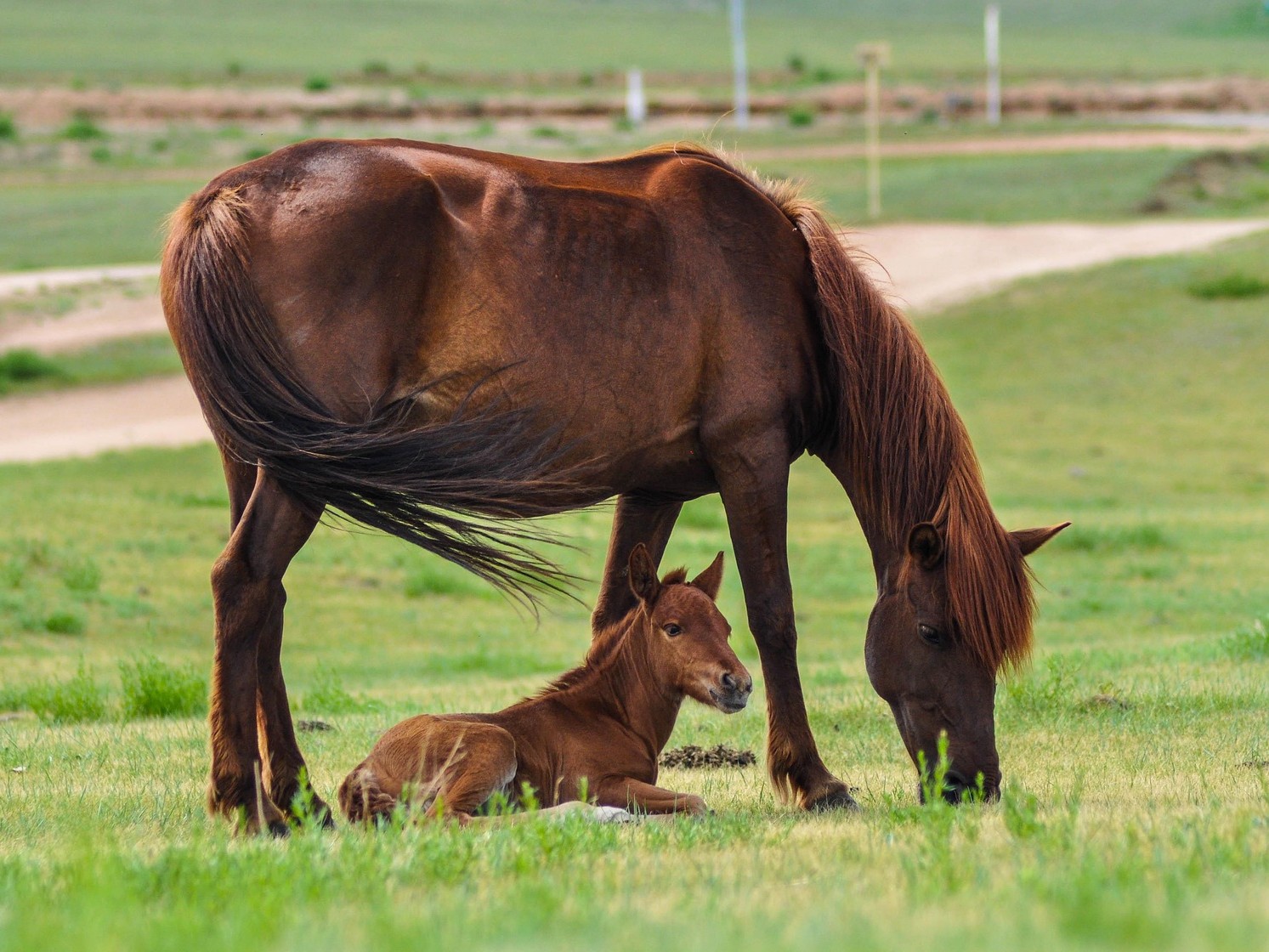
- Growing horses: Young horses need balanced nutrition to support growth and development. Their feeding programs should provide appropriate energy, protein, vitamins and minerals without excessive calories.
- Pregnant mares: Pregnant mares have changing nutritional needs throughout gestation, with requirements increasing during late pregnancy. Provide a balanced diet that supplies adequate energy, protein, vitamins and minerals to support the mare’s health and the foal’s development. Consult your veterinarian or an equine nutrition professional to determine the appropriate feeding plan.
- Adult horses at maintenance: Horses doing little or no structured work may meet much of their nutritional needs through suitable forage, depending on its quality and the horse’s individual requirements.
- Horses in regular work: Horses in training, competition or more demanding work may need additional energy and nutrients. The appropriate feed depends on workload, duration of exercise, body condition and forage intake.
- Senior horses: Older horses may have different nutritional needs, particularly if dental problems affect their ability to chew forage or if they have difficulty maintaining body condition. Feed selection should account for their overall health and ability to consume and digest their diet.
Age alone does not determine what a horse should eat. Evaluate its condition, workload and nutritional needs together when choosing a feeding program.
6. Consider Your Horse’s Exercise Routine
Exercise affects how much energy a horse uses and can influence its nutritional requirements. However, it’s important to evaluate the actual workload rather than simply how often the horse is ridden.
Consider the intensity and duration of exercise, the type of activity and how the horse responds to its current diet. A horse ridden occasionally at a walk may have very different energy requirements from one undergoing regular conditioning or competition training.
If you increase your horse’s workload, reassess its body condition and feeding program rather than automatically increasing feed. Changes should be based on its actual needs.
7. Set Goals for Your Horse’s Feeding Program
Once you’ve evaluated your horse’s forage, weight, body condition, age and workload, identify what you want its feeding program to accomplish.
Your goals might include:
- Maintaining a healthy body condition
- Supporting appropriate weight gain or weight loss
- Meeting the nutritional needs of a growing or senior horse
- Providing adequate energy for a higher workload
- Correcting nutritional gaps in the existing diet
Use these goals to guide feeding decisions, but avoid making major changes based on appearance or performance alone. If your horse is losing weight unexpectedly, struggling to maintain condition or showing other signs of a health problem, consult your veterinarian.
8. Make Feeding Changes Gradually
Once you’ve selected an appropriate feeding program, introduce changes gradually. Abrupt changes in forage or concentrate feed can disrupt a horse’s digestive routine, so transitions should be managed carefully.
Measure feed consistently, follow the manufacturer’s feeding directions and divide meals as recommended for the product and your horse’s needs. Keep clean, fresh water available at all times, and monitor body condition over time.
Reassess the feeding program when your horse’s workload, health, forage supply or life stage changes. A diet that works well today may need adjustments later.
Find the Right Horse Feed for Your Needs
Choosing what to feed your horse isn’t about finding one formula that works for every horse. It’s about building a balanced feeding program around the horse’s forage, body condition, age, activity level and individual nutritional requirements.
Start by evaluating what your horse already eats, then determine whether additional horse feed is needed to complement its diet. When questions arise, consult your veterinarian or an equine nutrition professional for individualized guidance.
Star Milling offers a variety of horse feed formulas and forage products for different life stages and activity levels. Explore our equine feed products to learn more about the options available for your horse.