
Puppy Development
Feeding tips for growth & training
Dog Food
FAQ
Where
To Buy
How to Feed Your Growing Puppy for a Healthy Start
Bringing home a new puppy is exciting, and one of the most important responsibilities you have as a pet parent is ensuring they get the right nutrition during their rapid growth phase. Puppies develop quickly in their first year, and feeding them a high-quality, balanced diet supports everything from strong bones and muscles to sharp minds and energetic playtime.
A quality puppy food should be formulated to meet a young dog’s unique needs, with the right levels of protein, fat, vitamins, and minerals to fuel growth without excess calories that can cause skeletal problems. One excellent option for this critical stage is Ultra Balance Meat & Rice Puppy Food from Star Milling. This complete, balanced puppy formula is free from corn, wheat, and soy (which can trigger allergies in some dogs) and is made specifically for growing pups.
Why a Puppy-Specific Diet Matters
Unlike adult dogs, puppies can require up to twice the energy (calories) per pound of body weight because of their rapid physical development. They also need higher levels of protein, essential fatty acids, and nutrients that support brain development, muscle growth, strong teeth, and a healthy immune system.
Here’s what quality puppy nutrition helps with:
- Healthy bones & muscles through balanced calcium and phosphorus levels
- Cognitive growth supported by fats like omega-3 and DHA
- Strong immune function from antioxidants, vitamins, and minerals
- Digestive health with easy-to-absorb ingredients and probiotics
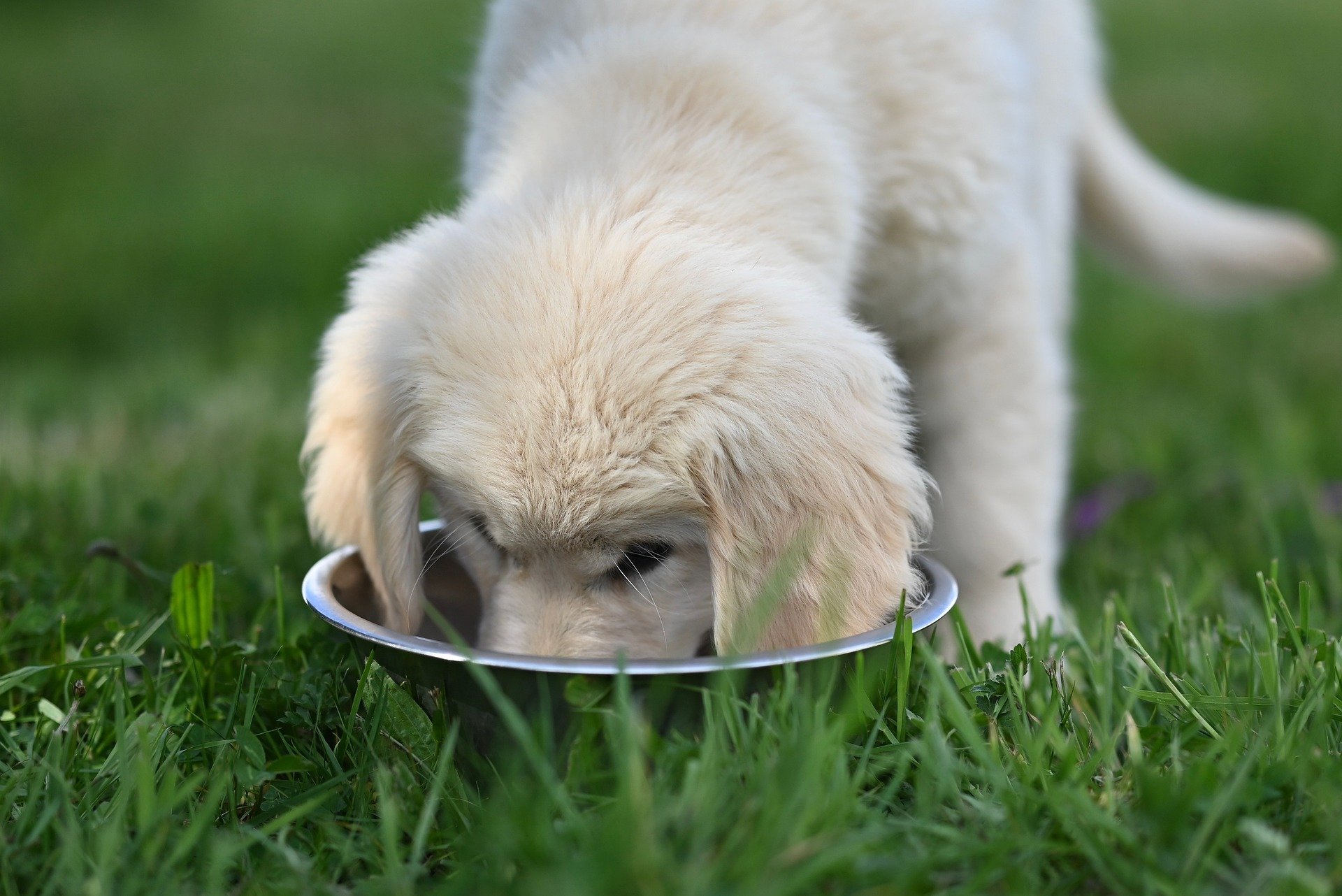
Choosing a food formulated just for puppies ensures all these elements are present in the right balance.
Setting the Right Feeding Schedule
Puppies have smaller stomachs and higher energy needs than adults, so feeding frequency matters:
- 8-12 weeks: 3–4 meals per day
- 3–6 months: 3 meals per day
- 6-12 months: 2 meals per day
Gradually reducing the number of meals while keeping total daily intake consistent helps regulate digestion and energy levels. Be sure to measure meals based on your puppy’s weight and age, and adjust portions as they grow. Too much food can lead to unwanted weight gain, while too little can hinder development. Regular vet visits are key to keeping your puppy on track.
How Much to Feed Your Puppy
When using Ultra Balance Meat & Rice Puppy Food, follow the feeding chart provided on the bag. For example:

| Puppy Weight | Daily Feeding Amount |
|---|---|
| Up to 10 lbs. | 1 – 2 ½ cups/day |
| 10 – 20 lbs. | 2 – 3 ½ cups/day |
| 20 – 30 lbs. | 2 ½ – 4 ½ cups/day |
| 30 – 40 lbs. | 3 – 5 ½ cups/day |
| 40 – 60 lbs. | 4 – 6 ½ cups/day |
These amounts should be split into multiple meals per day, especially when your puppy is young. Always provide fresh, clean water alongside food at every meal.
Tips for Training and Growth
Good feeding routines also support training and behavior in your new puppy.
🐾 Be Consistent
Feed at the same times each day. Puppies thrive with routine, and predictable meals help with housetraining and obedience cues.
🍗 Use Food as Reward
Use a small amount of puppy food or healthy treats to reward good behavior during training sessions. Just remember treats should make up only a small portion of daily calories.
📏 Monitor Growth
Track your puppy’s weight and body condition. Adjust feeding amounts gradually rather than suddenly increasing portions. Abrupt diet changes can upset their digestive system.
Final Thoughts
Feeding your puppy the right food, such as Ultra Balance Meat & Rice Puppy Food, and following a thoughtful feeding schedule sets the foundation for a healthy, happy life. Puppies grow fast, but with the right nutrition and care, every wag, jump, and play session will be powered by balanced, purposeful nourishment.