
Homemade Dog Treat Recipes
Healthy & simple ideas for everyday rewards
Dog Food
FAQ
Where
To Buy
Easy Homemade Dog Treat Recipes for Tasty Rewards
Homemade dog treats can be a smart way to give your dog a fresh, wholesome snack while keeping a close eye on what goes into every bite. Many pet owners want treats that feel simple to make, easy to serve, and supportive of everyday wellness, especially when their dogs have food sensitivities or need lighter rewards for training.
Get Homemade Dog Treat Recipes Vet Approved
Getting homemade dog treat recipes vet approved is a smart step if your dog has allergies, a sensitive stomach, weight concerns, or other health needs.
Your veterinarian can review ingredients, portion sizes, and treat frequency so homemade rewards fit your dog’s routine. Even simple recipes can benefit from a quick professional review when your goal is to keep treats appropriate and safe for your dog’s overall diet.
Homemade Dog Treats – A Simple Way To Support Better Nutrition
Homemade dog treats work best when they use a few highly nutritious ingredients, stay easy to portion, and match your dog’s needs for training, weight management, or ingredient sensitivity.
You can make healthy dog snack recipes at home with familiar ingredients, skip fillers that don’t fit your feeding goals, and create treats that feel more thoughtful than heavily processed options. For many households, that means choosing recipes that are easy on digestion, practical for daily use, and made with the same care that goes into your dog’s regular meals.
Are Healthy Dog Snack Recipes Worth Making At Home?
Yes, healthy dog snack recipes are worth making at home when you want more control over ingredients and portion size. The best healthy dog snack recipes start with simple ingredients and a clear reason for using each one. Oats can add texture. Pumpkin can help bind a dough and add fiber. Lean proteins can make treats more appealing. A little mashed banana or unsweetened applesauce can add moisture without overdoing sweetness.
Homemade recipes also give you more control over texture and size. That’s especially important for dog treats for training because training rewards should be small, soft enough to eat quickly, and easy to carry.
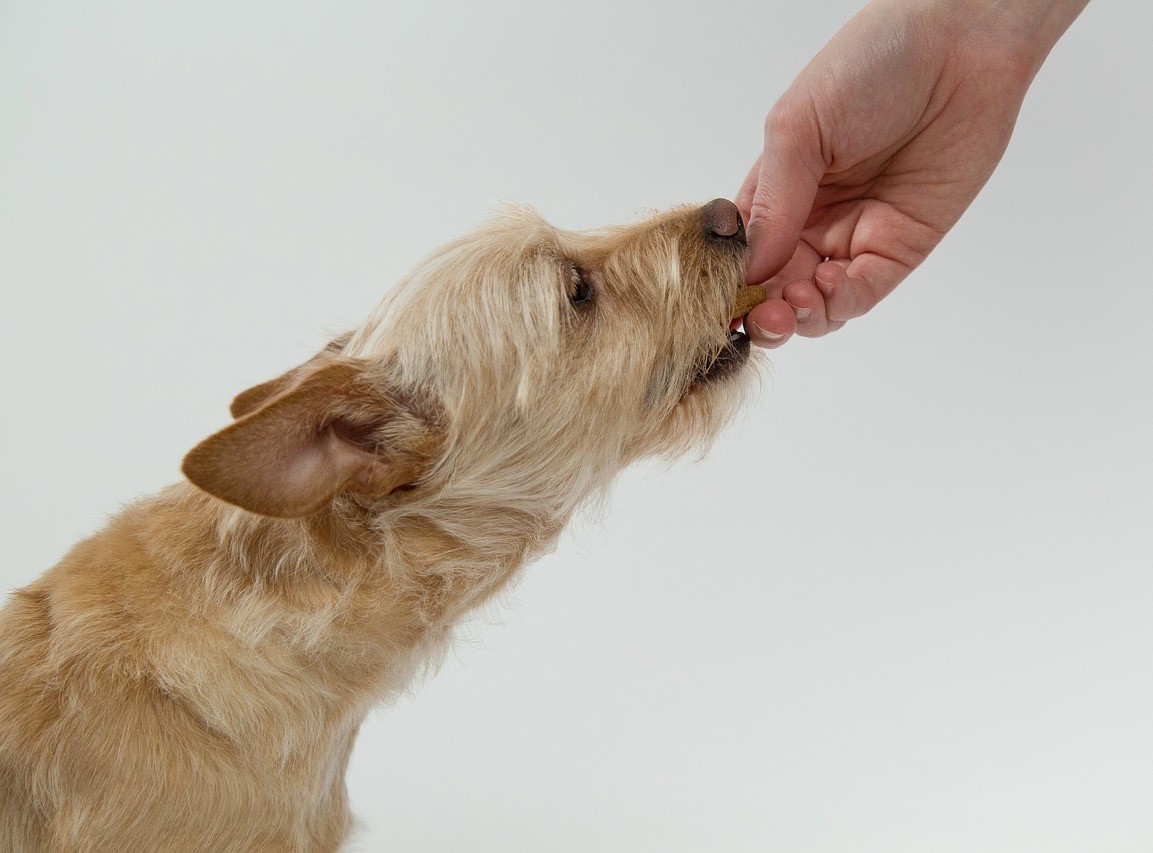
A large biscuit may look appealing, but it can slow down a training session and add more calories than many owners realize. Small bites help keep your dog focused without turning every reward into a full snack.
Low calorie dog treats
Low calorie dog treats are often easier to make at home than people expect. You can use pumpkin, oat flour, shredded carrot, or lean meat in modest portions and bake small pieces that work well for frequent rewards.
Portion size is just as important as ingredients. Even a wholesome ingredient can become too much when the treats are oversized.
A Simple Base Recipe For Homemade Dog Treats
Here’s a dependable and easy homemade recipe your dog will love.
Peanut Butter & Pumpkin Dog Treats
- ½ cup pure pumpkin puree
- ½ cup natural peanut butter
- 2 eggs
- 2½ cups whole wheat flour (or substitute oat flour)
Preheat your oven to 350°F and line a baking sheet with parchment paper. In a large bowl, whisk pumpkin puree, peanut butter, and eggs until smooth. Gradually mix in whole wheat or oat flour until combined. Roll to 1/2-inch thickness, cut into shapes, and bake for 25–30 minutes.
Note: When choosing peanut butter, always check the label for Xylitol which is highly toxic and potentially fatal to dogs. Use natural, unsweetened peanut butter where the only ingredient is peanuts.
For training, cut the dough into very small squares instead of larger shapes. That makes the finished treats easier to use throughout the day.
For a firmer texture, bake them a little longer. For a softer bite, remove them earlier and store them in the refrigerator.
This kind of recipe is popular because it fits several goals at once.
- it can serve as a base for healthy dog snack recipes
- it can be portioned into dog treats for training
- it can stay fairly light when kept small
It is also easy to follow, which makes it a practical starting point for pet owners who want a straightforward recipe without a long list of specialty ingredients.
Why Dog Treats For Training Should Stay Small And Purposeful
Dog treats for training should be small, quick to eat, and easy to repeat throughout a session.
Training treats need to do one job well. They should reward the behavior quickly and keep your dog interested in the next cue. That is why smaller is usually better. A pea-sized treat can be enough for many dogs, especially during a short session with repeated rewards.
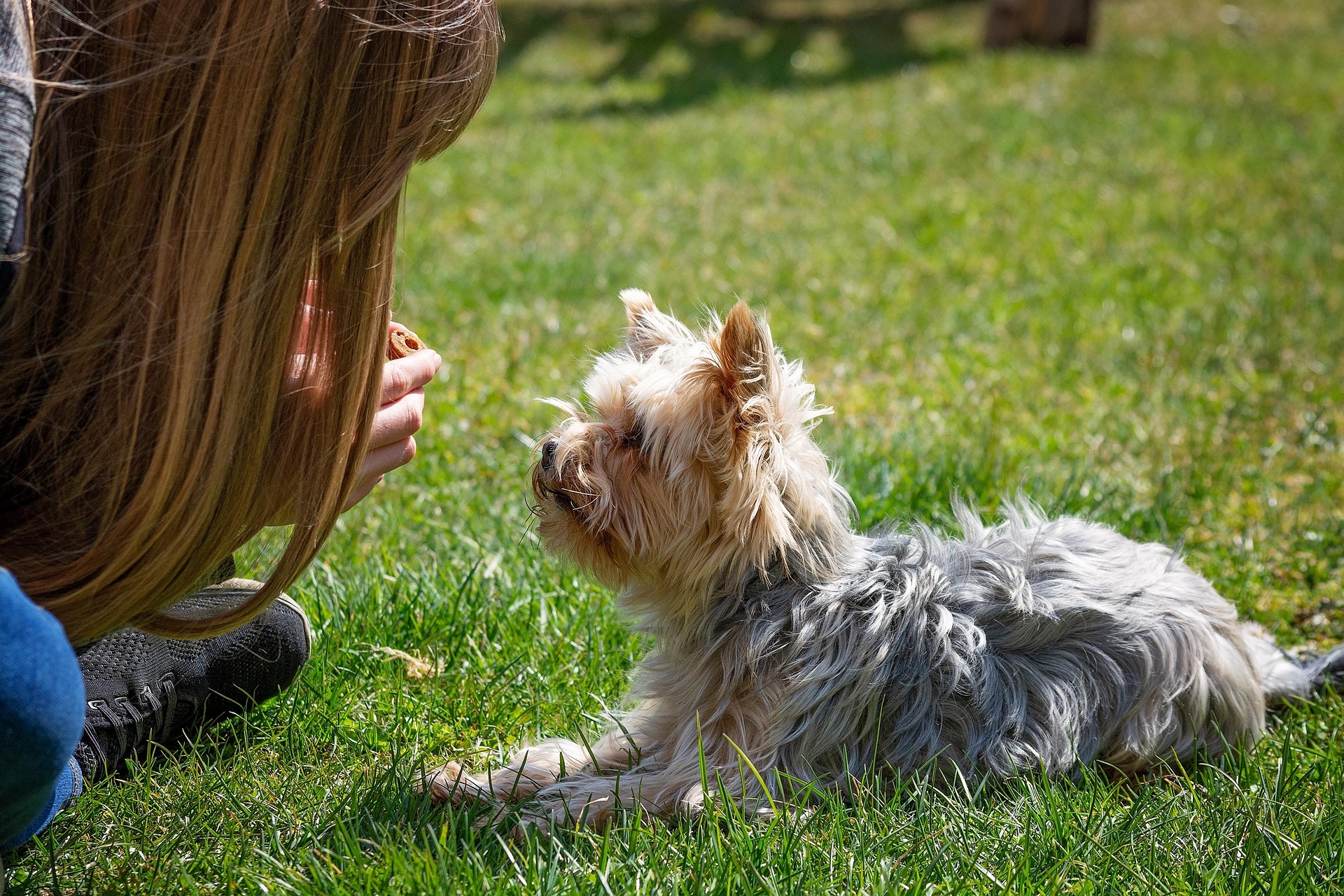
This is where homemade dog treats can be especially helpful. You can control the size from the start and bake a batch that fits your training style. Soft treats often work best because dogs can eat them quickly and stay engaged. A simple pumpkin and oat dough, baked just until set, can create a texture that works well for this purpose.
When you train often, calories can add up fast. Low calorie dog treats make daily practice easier to manage, especially for dogs who are less active or prone to weight gain. Homemade options can help you balance frequent rewards with sensible portions.
Building Better Treat Habits Starts With Better Everyday Nutrition
Treats should support your dog’s routine, not compete with it. Homemade snacks are most useful when they fit alongside a balanced daily food and a feeding plan that makes sense for your dog’s age, activity level, and sensitivities.
Dogs do best when treats support a strong nutritional foundation instead of replacing it. That is why it helps to pair homemade rewards with a balanced food like Ultra Balance Adult Meat & Rice Dog Food. This formula is made without corn, wheat, or soy. It’s ideal for pet owners trying to avoid common ingredients that may trigger sensitivities.