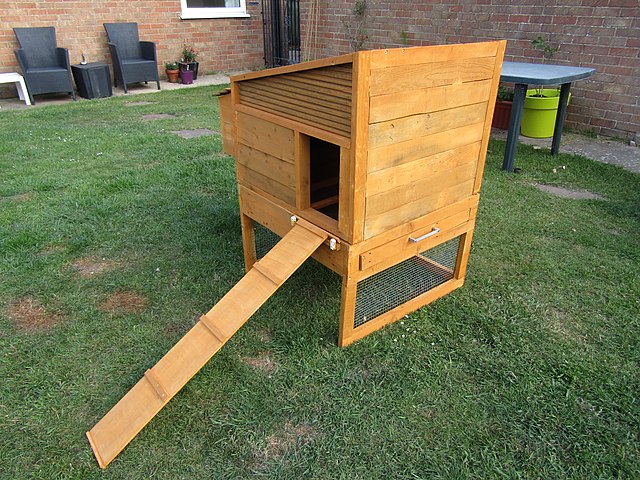
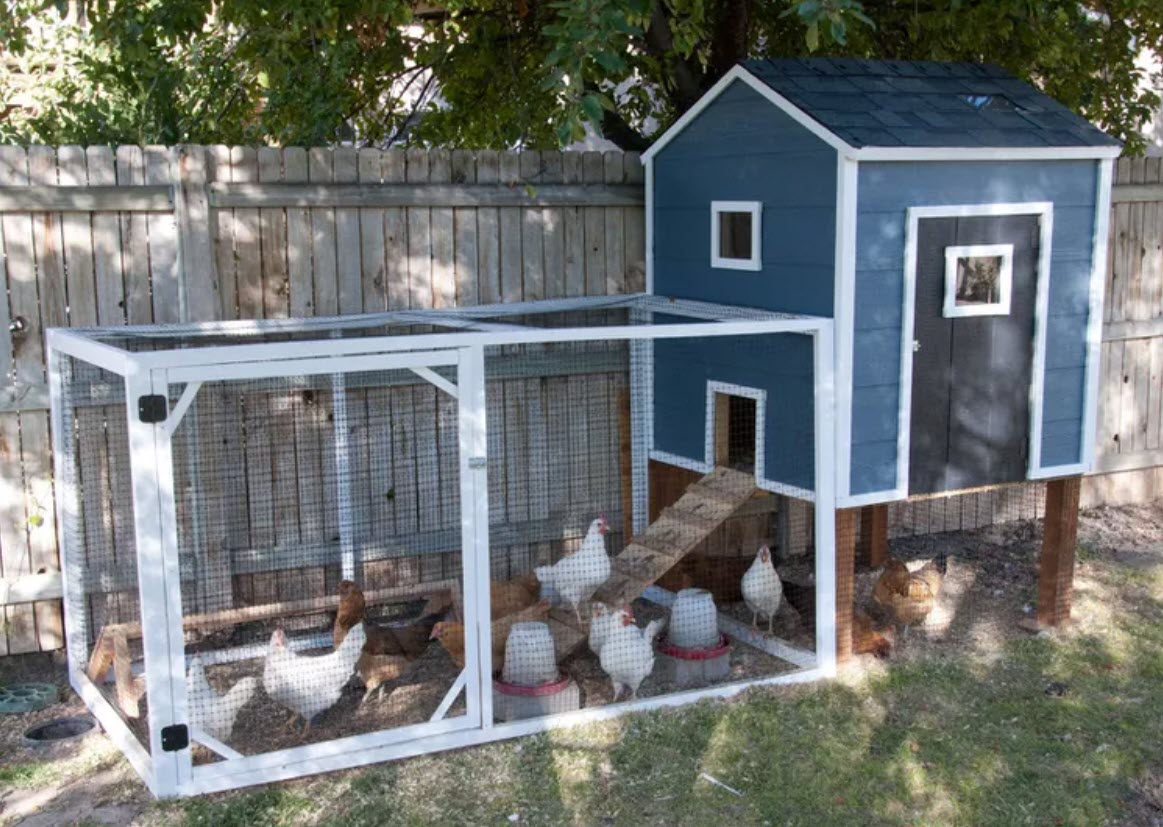
What Every Chicken Coop
should have for their flock
About
Our Feed
Poultry
Care Corner
Poultry
Products
Grains &
Simple Ingredients
Where
to Buy
What Every Chicken Coop Should Have: Essential Features for a Healthy Flock
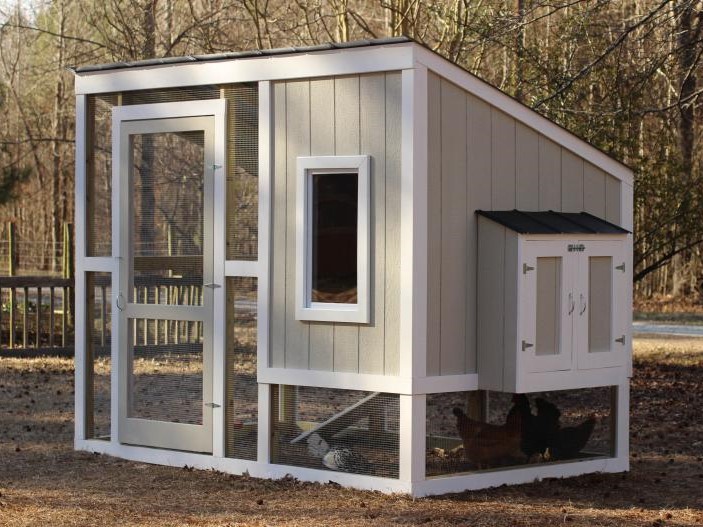
When your chicks are fully feathered, usually around 8-10 weeks old, they’re ready to leave the brooder and move into the coop. As you prepare to transition them to their new home, it’s crucial to ensure that your chicken coop has all the essentials to keep your flock comfortable, safe, and healthy.
A well-designed chicken coop does more than give your chickens a place to sleep. The right chicken coop setup provides protection from predators and weather while giving your flock enough space, ventilation, clean bedding, and access to food and water. Whether you are building a DIY chicken coop or purchasing a pre-made model, planning these essentials before bringing your chickens home can make daily flock care much easier.
From backyard chicken coops to larger setups for established flocks, the basic requirements are the same: a safe, dry, well-ventilated shelter with secure doors, appropriate roosting space, nesting boxes, and room for chickens to move comfortably.
Choosing or Building a Chicken Coop
First-time chicken keepers might be tempted by the wide variety of pre-made, stylish coops available on the market. These are perfectly fine for smaller flocks, typically accommodating 2-6 birds. However, if you enjoy hands-on projects, building your own coop can be a cost-effective and rewarding weekend activity. Whether you opt for a ready-made model or a DIY coop, the most important thing is that it provides a safe, comfortable environment for your chickens.
What to Consider When Choosing a Chicken Coop
When choosing a chicken coop, consider more than appearance. The size of your flock, available outdoor space, climate, ease of cleaning, ventilation, and predator protection should all factor into your decision. A good chicken coop should be sturdy enough to withstand local weather and secure enough to keep your flock protected at night.
Think about the chicken coop as part of a complete housing system. Ideally, chickens should have access to both a secure indoor coop and a protected outdoor run. Planning the coop and run together can help provide adequate space for exercise while giving your chickens a safe place to retreat from bad weather or predators.
Essential Features Every Chicken Coop Should Have
Shelter from the Weather
Your coop should offer solid protection from the elements – sun, cold, rain, and wind. This is the most basic requirement to keep your chickens healthy and stress-free.
Adequate Chicken Coop Space
One of the most important chicken coop requirements is providing enough space for every bird. A general guideline is to provide at least 4 square feet of indoor coop space and about 6 square feet of outdoor run space per chicken. Providing adequate room allows chickens to move naturally and can help reduce stress, overcrowding, and unwanted behaviors such as feather pecking.
When planning a chicken coop, consider the size of your flock now as well as how many chickens you may add in the future. An overcrowded coop can become difficult to keep clean and may contribute to problems with aggression, moisture, and poor air quality.
If your chickens will spend significant time in the run rather than free-ranging, make sure the outdoor area provides enough room for the flock to move, scratch, and explore. More space is generally better when practical.
Proper Ventilation
Ventilation is key to maintaining a healthy environment inside the coop. Good airflow helps reduce the buildup of ammonia from droppings, regulates temperature, and minimizes moisture. High humidity, particularly in cold weather, can lead to respiratory issues and frostbite. Ensure your coop has vents positioned near the roof to allow warm, moist air to escape while preventing drafts at chicken level.
Good chicken coop ventilation should allow fresh air to enter while letting heat, moisture, and ammonia escape. Ventilation openings are best positioned high in the coop, above where chickens roost. Cover vents and other openings with sturdy hardware cloth to maintain airflow while helping keep predators out.
Avoid confusing ventilation with drafts. Your chicken coop should have adequate airflow without a strong stream of cold air blowing directly onto your chickens while they sleep. Check the coop regularly for condensation, damp bedding, or a strong ammonia smell, as these can indicate that additional ventilation may be needed.
Predator Protection
Don’t underestimate the potential for predators, even if you think your area is safe. Coyotes, raccoons, and other predators will quickly become interested once they sense chickens nearby. A predator-proof coop is non-negotiable. Ensure that all doors and windows lock securely and cover any openings with strong wire mesh. Instead of traditional chicken wire, use hardware cloth with smaller openings to prevent predators from reaching through. Additionally, extend the wire fencing underground to deter digging predators.
Secure Chicken Coop Run
A chicken coop run gives your flock a protected outdoor area where they can walk, scratch, forage, and enjoy fresh air while remaining protected from predators. The run should be securely attached to the coop and enclosed on the sides and, when appropriate, the top.
Use sturdy hardware cloth rather than traditional chicken wire for areas where predator protection is needed. Secure the bottom of the enclosure as well, since predators such as foxes, coyotes, and raccoons may try to dig underneath the fence. Keeping the chicken coop and run secure is an important part of protecting a backyard flock.
Roosting Perches
Chickens prefer to roost off the ground, so provide them with sturdy perches. These can be made from wooden boards, dowels, old ladders, or even tree branches. In colder climates, ensure that the perches allow the chickens’ feet to rest flat, covering them with their bodies to protect against frostbite.
Nesting Boxes
Hens need a quiet, private space to lay their eggs. Nesting boxes, which should be placed off the ground, offer a safe and clean environment for egg-laying. You can use a variety of materials for nesting boxes, such as buckets, milk crates, or repurposed drawers. Keeping the boxes elevated helps prevent the eggs from getting dirty and reduces the risk of breakage.
As a general guideline, provide about one nesting box for every 3–4 hens. You do not need a separate box for every chicken, since hens often prefer the same few nesting spots. Place nesting boxes in a quiet, darker area of the chicken coop and keep them lower than the roosting perches.
Check nesting boxes regularly and replace soiled or damp bedding as needed. Clean, comfortable nesting areas can help keep eggs cleaner and make egg collection easier.
Easy-to-Clean Chicken Coop
A chicken coop should be designed with regular cleaning and maintenance in mind. Remove soiled bedding regularly, clean feeders and waterers, and check the coop for moisture, droppings, damaged wire, or gaps where predators could enter.
Regularly changing the poultry bedding in your coop is essential for maintaining a sanitary environment. Clean bedding reduces odors, lowers the risk of illness, and helps prevent parasites. Fresh bedding also makes the coop more pleasant for both your chickens and anyone who visits.
Choosing a chicken coop with easy access to the floor, nesting boxes, and roosting areas can make routine cleaning much easier. Keeping the coop dry and clean helps create a healthier environment for your flock and reduces odors and buildup of waste.
Creating a Safe and Comfortable Chicken Coop
A well-planned chicken coop gives your backyard flock a safe, comfortable place to live while making everyday chicken care easier. From adequate space and proper ventilation to predator protection, nesting boxes, roosting perches, and clean bedding, each element plays an important role in keeping chickens healthy and comfortable.
In addition to the physical structure of the coop, your chickens will need a consistent supply of fresh food and water. Make sure to provide high-quality poultry feed and check their water supply regularly, especially in extreme weather conditions.
Whether you are building a DIY chicken coop or setting up a pre-made coop, focus on safety, cleanliness, ventilation, and enough space for your flock. With the right chicken coop setup, you can create a secure home that supports your chickens through every season.