
All About Molting Chickens
Poultry care & maintenance
About Our
Poultry Feed
Poultry
Care Corner
Poultry
Products
Grains &
Simple Ingredients
Where
to Buy
All About Molting Chickens
As the days grow shorter and the sun sets a little sooner in the evening, the decreasing daylight signals to your chickens that it’s time to molt. Some of your birds may have already begun the process, and the others will follow soon enough. Learn all about molting chickens as well as the care and maintenance of your flock.
If you have noticed your chicken coop suddenly covered in feathers, your hens may be going through a natural molt. Molting chickens lose old, worn feathers and grow a new set to help protect themselves from changing weather conditions. While molting is a normal part of a chicken’s life cycle, it can look alarming to new backyard chicken owners.
During a molt, chickens often experience feather loss, changes in appearance and a noticeable drop in egg production. Understanding the signs of molting chickens, how long the process lasts and how to care for hens during this time can help keep your flock comfortable and well-nourished.
When do chickens molt?
For most backyard chickens, molting occurs seasonally, with fall being a common time for chickens to molt as daylight hours become shorter. Chicken molting season can vary from flock to flock, however, and factors such as age, breed, environment and the bird’s laying cycle can influence when molting begins.
Most hens do not molt at exactly the same time or for the same length of time. Some chickens may lose feathers gradually, while others can experience more noticeable feather loss over a shorter period. Seeing an increase in loose feathers around the coop and run is often one of the first signs that your chickens are beginning to molt.
A seasonal molt is a normal process that allows chickens to replace older feathers with new ones. Healthy new feathers provide insulation and protection, helping hens prepare for changing weather conditions.
What is molting?
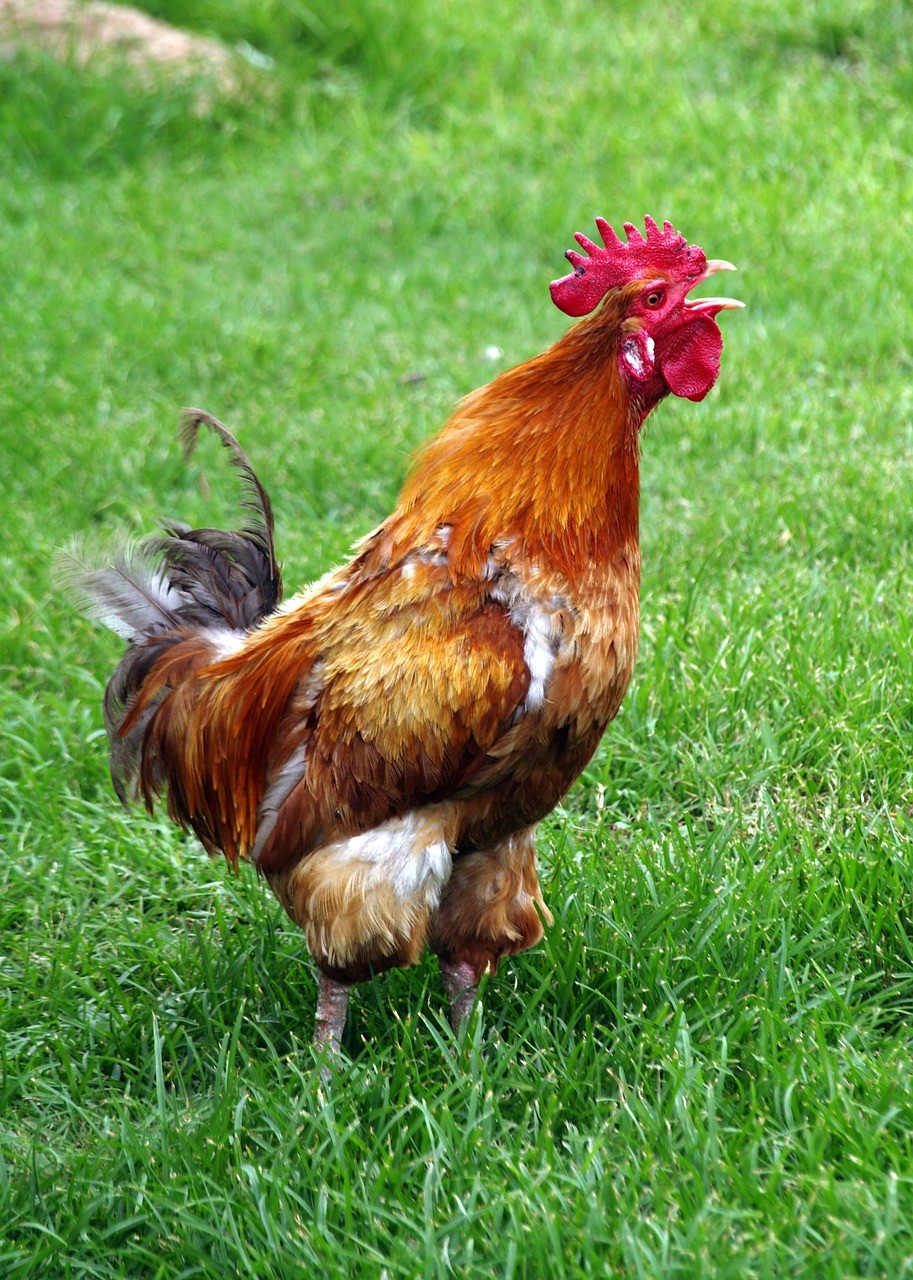
Molting is the natural shedding of old feathers and growth of new feathers. Chickens go through a few molts as they develop from chicks to mature birds, and after that they will molt every year in late summer or fall. If suddenly you take a look at your flock and notice your birds look a little naked, don’t panic! This is a perfectly normal and natural process for your flock.
Signs of Molting Chickens
Not sure if your hen is molting? Several common signs can help you identify the molting process in chickens, including:
- Increased feather loss around the coop and nesting areas
- Thinner or patchy areas of feathers
- New pin feathers beginning to grow
- A temporary decrease or pause in egg production
- Changes in a hen’s appearance as old feathers are replaced
- Increased interest in food as the body uses nutrients for feather growth
Feather loss during a molt can make a healthy chicken look surprisingly ragged. However, normal molting should not be confused with feather loss caused by parasites, injury, bullying or other health problems. If feather loss is accompanied by irritated skin, wounds or other unusual symptoms, consult a poultry veterinarian.
How Long Do Chickens Molt?
There is no single answer because the length of a molt varies between individual birds. Some chickens may complete the process relatively quickly, while others can take several weeks or longer to fully replace their feathers.
The amount of feather loss can also vary. Some hens lose feathers gradually, while others may appear to lose a large number of feathers all at once. During this time, your hen’s energy is being directed toward growing new feathers, so it is normal for egg production to decrease or temporarily stop.
Once the molt is complete and new feathers have grown in, hens can gradually return to their normal laying routine.
What can I expect during molting season?
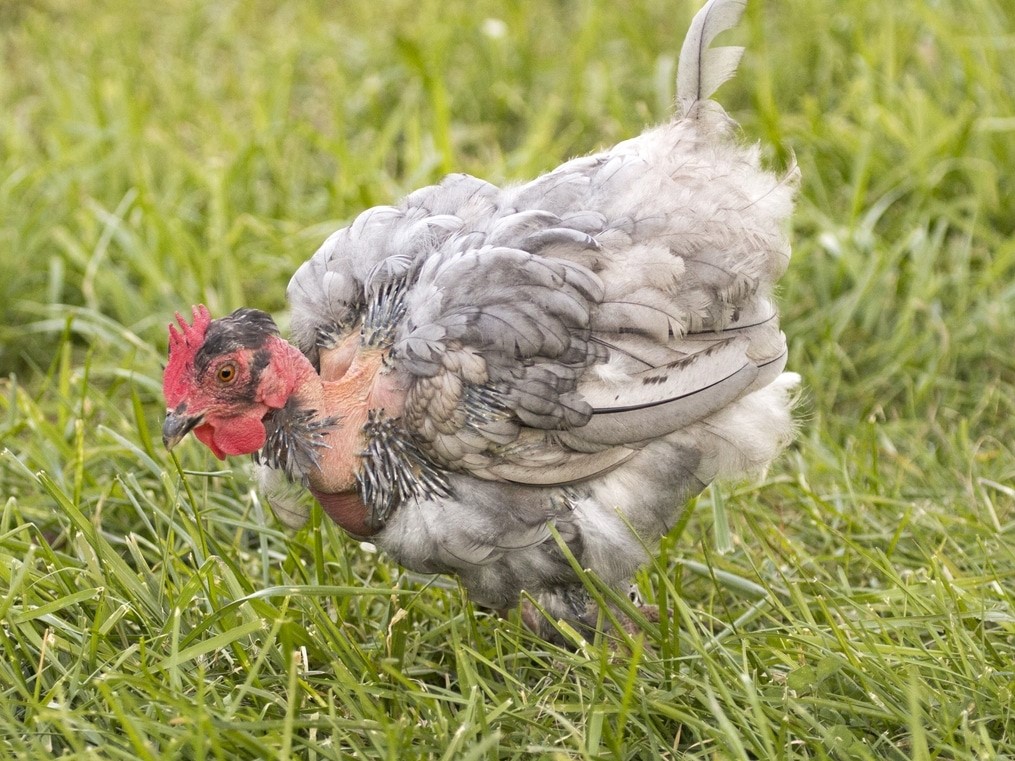
Each bird goes through their molt a little differently. Some might only lose a few under-feathers, and just look a little less fluffy than usual. Some have it a little rougher, and go totally bald. Most will be somewhere in between those two extremes. Feathers begin shedding at the head, then back, then breast and thighs, and finally the tail. Other than feeling a little exposed, your chickens should be acting normal.
Lower Egg Production
One of the most noticeable changes during a molt is a decrease in egg production. Some molting hens may lay fewer eggs, while others temporarily stop laying altogether. This happens because a chicken’s body is redirecting energy and nutrients toward feather replacement rather than egg production. Once the molt is finished and the hen has recovered, egg production can gradually resume.
If your chickens suddenly stop laying eggs during the time of year when molting is common, look for other signs such as increased feather loss and new feather growth. Together, these signs can indicate that your hens are experiencing a normal seasonal molt.
New Pin Feathers
New emerging feathers are called pin feathers. They begin as a feather shaft covered in a waxy coating. These pin feathers have an active blood supply. If a pin feather is damaged, it may bleed profusely, even though the injury isn’t severe. If you experience this situation, it’s best to use tweezers and remove the bleeding pin feather.
Once the pin feathers have full come in, the waxy coating falls off, the blood supply dries up, and the feather unfurls. You may see these waxy casings on your coop floor.
What do I do during molt?
There’s a couple of things you can do to help your birds out during this time. While molting is normal, it’s an uncomfortable process, and they could use your support.
- Reduce stress in the flock. That means avoid changing up the everyday routine, moving the coop, or bringing in new flock members.
- Don’t handle birds unless absolutely necessary. New emerging feathers are extremely sensitive, painful even. It’s best just to let your birds alone until the molt is over.
- Feed a higher protein diet. Feathers are made mostly out of proteins (about 85%). By increasing the protein in your chickens’ feed, you are giving them the nutrients they need to grow new feathers.
What to Feed Chickens During Molting
Knowing what to feed chickens during molting is an important part of caring for your flock. Growing new feathers requires nutrients, particularly protein, because feathers are made primarily of keratin, a protein-rich structural material.
During a molt, provide your chickens with consistent access to a complete, balanced feed appropriate for their nutritional needs. A quality feed helps provide the protein, vitamins and minerals chickens need while they replace old feathers and grow new ones. Avoid making large numbers of dietary changes at once, as maintaining a consistent feeding routine can help minimize additional stress.
Fresh, clean water should also be available at all times. Because molting chickens are already using significant resources to replace their feathers, keeping feed and water readily available is an important part of good flock management.
Star Milling manufactures Kelley’s or Ace High 20% protein feed that is a great option for molting chickens. It’ll give your chickens the extra boost they need to grow new, beautiful feathers in no time. Want to learn more about poultry care? Visit the Poultry Care Corner for more information.
Molting Chickens FAQ
Do all chickens molt?
Yes. Molting is a natural process in which chickens replace older feathers with new ones. However, the timing, amount of feather loss and duration of the molt can vary between individual chickens.
What does a molting chicken look like?
A molting chicken may have noticeably fewer feathers, patchy areas of feather loss or new pin feathers growing through the skin. Finding more loose feathers around the coop is also common.
Do chickens lay eggs when they are molting?
Egg production typically decreases during a molt, and many hens temporarily stop laying eggs. Their bodies are using nutrients and energy to grow new feathers instead of producing eggs.
How long does chicken molting last?
The length of a molt varies. Some chickens complete the process relatively quickly, while others take considerably longer. Breed, age, individual bird and environmental factors can all influence the timing.
What should I feed molting chickens?
Provide a complete, balanced feed that meets your chickens’ nutritional needs, along with plenty of fresh, clean water. Because feather growth requires protein, nutrition is especially important while chickens are replacing their feathers.
Should I be concerned about feather loss during molting?
Normal molting can result in substantial feather loss and a temporarily ragged appearance. However, feather loss accompanied by wounds, irritated skin, parasites or other signs of illness may indicate a problem unrelated to normal molting and should be evaluated.
Looking for more information?
Visit our Poultry Care Corner for expert advice about poultry feeding & care.