
Feeding Different Poultry:
Chickens, ducks & turkeys
About Our
Poultry Feed
Poultry
Care Corner
Poultry
Products
Grains &
Simple Ingredients
Where
to Buy
Tips for Feeding Different Types of Poultry: Chickens, Ducks & Turkeys
Feeding different types of poultry in the same backyard takes a little planning because chickens, ducks, and turkeys don’t all eat the same way. A mixed flock can do very well together when their feed matches their life stage, species, and purpose. The best approach is to start with a quality flock feed as the foundation, then adjust for layers, waterfowl, young birds, and breeding or game birds as needed.
A good backyard poultry nutrition guide should make feeding feel manageable.
- Chickens need dependable daily nutrition for laying, growth, or maintenance.
- Ducks need feed that supports their fast growth, water-loving habits, and niacin needs.
- Turkeys often need higher protein than chickens, especially while growing or during breeding periods.
For many backyard keepers, the goal is simple: healthy birds, clean feed, fewer feeding mistakes, and a flock that has what it needs every day.
Why Mixed Flocks Need More Than One Feeding Plan
Mixed flocks are common on small farms and in backyard coops, but they can be tricky because different birds eat at different speeds and have different nutrient needs. Poultry diets are built to balance energy, protein, vitamins, and minerals, which is why a complete feed is a better daily foundation than scratch grains or kitchen scraps.
The biggest feeding differences usually come down to protein, calcium, niacin, and feed form.
- Growing birds need more protein than mature maintenance birds.
- Laying hens need extra calcium for eggshell production.
- Ducks need enough niacin, also known as vitamin B3, for healthy growth and leg development.
- Turkeys and game birds often need a more specialized feed, especially during growth and breeding seasons.
That is why mixed flock feeding tips should always start with the birds you actually have. A small flock of adult hens and ducks has different needs than a flock with poults, ducklings, laying hens, and breeding turkeys.
The Best Feed for Different Types of Poultry
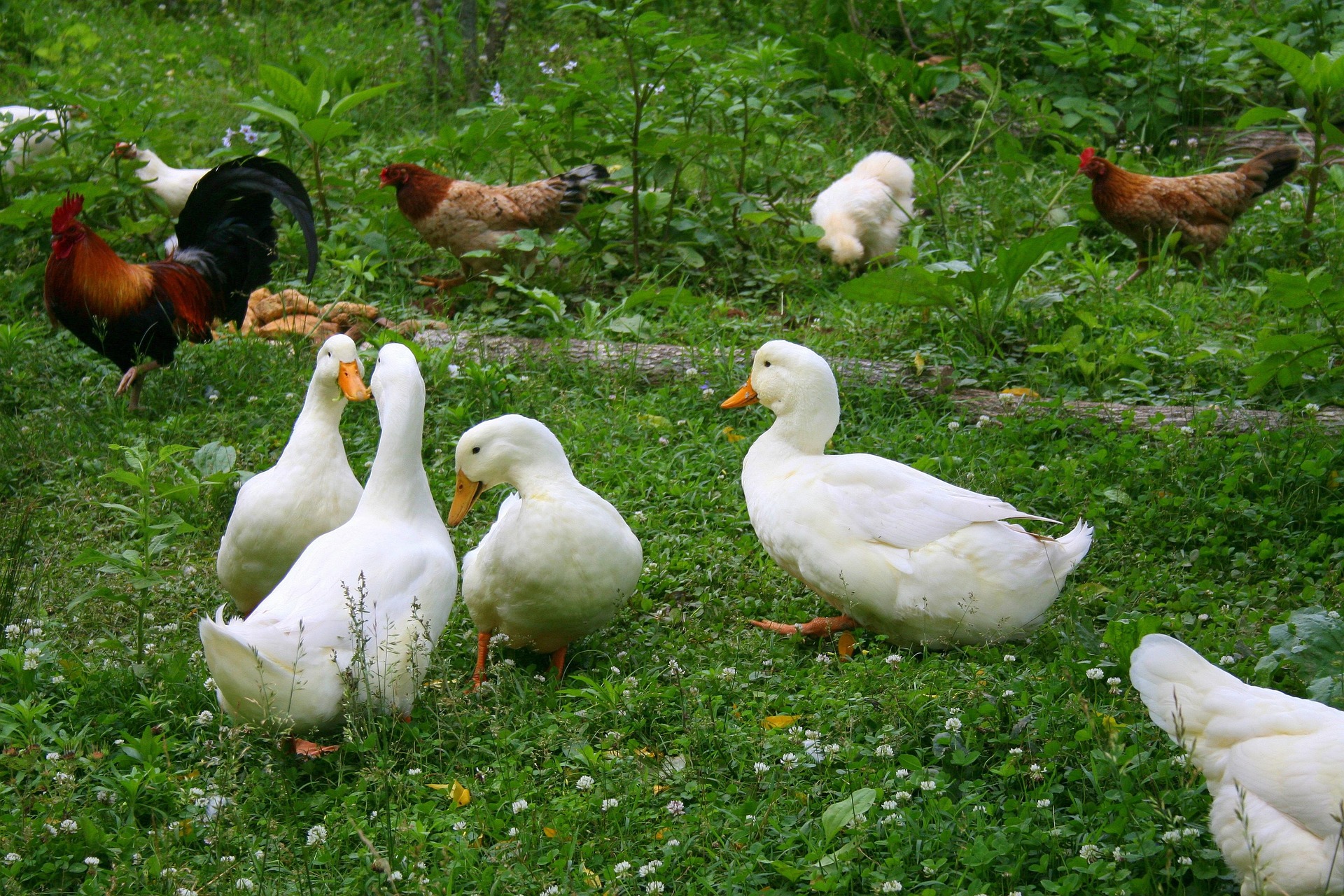
The best feed for chickens, ducks and turkeys depends on age and purpose, but many mixed backyard flocks do well with a flock builder feed as the everyday base. Ace Hi Flock Builder and Kelley’s Flock Builder are good fits for keepers who want one dependable feed option for a mixed group of poultry.
A flock builder feed can be especially useful for adult birds that aren’t in a specialized production stage. It helps simplify daily feeding while giving chickens, ducks, and other poultry a more balanced starting point than scratch grains or table scraps.
Chickens also do best when treats stay limited. Garden scraps, mealworms, and scratch grains can be useful for enrichment, but they shouldn’t crowd out balanced feed. Feed the complete ration first, then use treats sparingly.
Feeding Ducks in a Mixed Flock
Ducks can live happily with chickens, but they have a few feeding needs that deserve extra attention:
- Ducklings typically need a starter diet early in life before transitioning to a grower feed as they mature.
- Adult ducks also need a feeding plan that supports their species-specific nutrition needs, especially if they make up a meaningful part of the flock.
Waterfowl need enough niacin for healthy growth, strength, and mobility. A feed labeled specifically for ducks or waterfowl is often the safest choice when ducks are more than an occasional addition to the coop.
Star Milling Waterfowl feed is floating feed and strong option for duck owners because it is made for waterfowl rather than adapted from a chicken-only feeding plan. Ducks also need water when they eat. They use water to help swallow feed and clean their bills and nostrils. Keep water near the feeding area, but place it in a way that limits soggy bedding. Ducks are talented at turning a clean corner into a mud pie, so feeder placement can make daily care much easier.
Feeding Turkeys & Game Birds
Turkeys are larger birds with more demanding nutrition than backyard chickens, especially when they are young, growing, or used for breeding. They need higher protein levels than adult chickens, and they benefit from feeds designed specifically for turkeys or game birds that should be adjusted during the different stages of their growth.
Ace Hi Turkey/Game Bird Breeder Crumbles or Kelley’s Game Bird/Turkey Crumbles are useful options for flock owners raising turkeys or game birds that need more specialized nutrition. Crumbles are also easy for birds to eat and help reduce sorting, which can happen when birds pick through loose grain mixes.
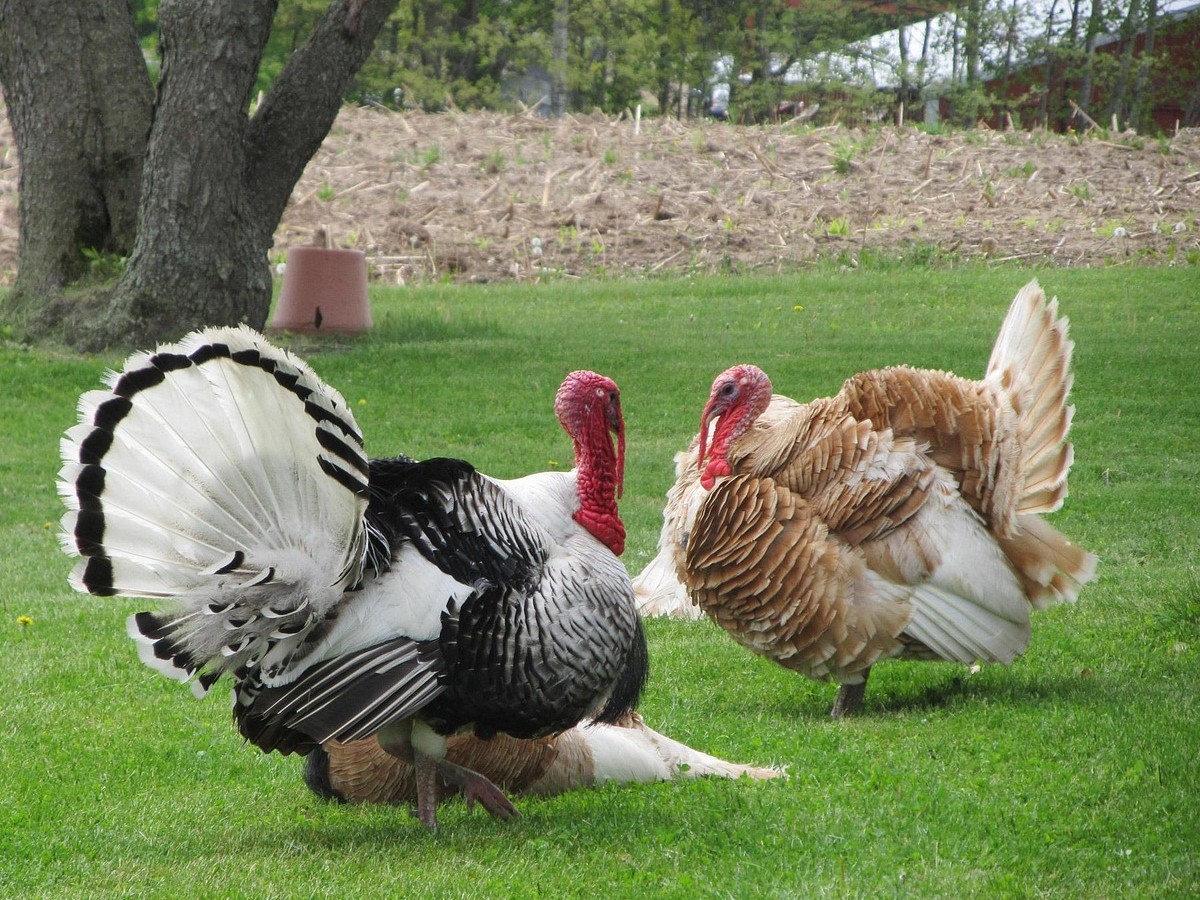
If turkeys share space with chickens or ducks, watch feeder access closely. Turkeys eat more and can dominate feeding stations. Larger birds may crowd smaller birds away, especially when feeders are limited. Adding another feeder or placing feeders in more than one area can help reduce competition.
Mixed Flock Feeding Tips That Make Daily Care Easier
Good mixed flock feeding starts with the right base feed, but how you store your feed and how you feed counts too. Feeders should be easy for the smallest birds to reach and large enough that timid birds can eat without getting pushed away. If your flock includes turkeys, ducks, and chickens, more than one feeder is often worth the extra space.
Always keep an eye on your birds’ general wellbeing. Thin birds, slow growth, poor feather quality, weak eggshells, or uneven access at the feeder may be signs that the feeding plan needs an adjustment. Feed changes should be gradual so birds can adapt without digestive upset.
Common Mixed Flock Feeding Mistakes
Common mistakes include:
- Feeding scratch as the main diet. Scratch is a treat, not a complete feed.
- Feeding layer feed to every bird in the flock, even when the group is mixed.
- Feeding ducks or turkeys exactly like chickens: Ducks need waterfowl-specific nutrition, enough niacin, and a mess-friendly feeding setup, while turkeys need a more specialized plan during growth and breeding.
The best mixed flock feeding plan is practical. Choose a quality feed for the flock you have, offer species-specific support where needed, and keep an eye on how your birds look and behave from week to week.
A Simple Backyard Poultry Nutrition Guide for Star Milling Flocks
Feeding different types of poultry gets easier when you stop trying to make one feeding habit fit every bird. Build the plan around your flock’s unique traits, then make small adjustments with the right feed and simple add-ons like free-choice calcium.
Star Milling Co. offers fresh, high-quality poultry and waterfowl feeds made with clean, safe manufacturing standards. Explore our poultry feed options and poultry feeding resources to find the right fit for your backyard flock.
Looking for more information?
Visit our Poultry Care Corner for expert advice about poultry feeding & care.