
Beginner’s Guide to Goats
What you need to know about raising them
LIVESTOCK FEED FAQ
GRAINS & SIMPLE INGREDIENTS
WHERE TO BUY
A Beginner’s Guide to Raising Goats: What You Need to Know
Raising goats for beginners starts first with a safe setup and an understanding of what goats need each day. Before bringing goats home, plan for several animals, secure fencing, weather protection, plenty of forage, fresh water, and a care routine you can maintain.
Goats are curious animals that form strong social bonds within their herd. They also tend to become familiar with the people who care for them. Once you learn their usual habits, daily care becomes easier to manage and changes in behavior are easier to spot.
Raising Goats for Beginners Starts With the Right Setup
Good preparation can make the transition easier for both you and your goats. Goats are herd animals, so plan to keep at least two together. Companionship gives them another member of their own species to interact with throughout the day and supports normal herd behavior.
Think about what role your goats will have on your property before choosing them. A dairy doe has different nutritional needs than a doe kept as a companion animal. Growing kids also need a feeding program suited to their development, while pregnancy and lactation can change what an adult doe requires.
If you plan to keep backyard goats, check your local livestock and zoning rules before bringing them home. Rules may address where livestock can be kept and how many animals are permitted on a property. It’s also useful to find a veterinarian who works with goats before you need one. An established veterinary relationship gives you a resource for routine health care and questions that come up as you get to know your herd.
Give Your Goats a Dry, Comfortable Shelter
Goat housing can be simple as long as your herd has a clean, dry place to rest and protection from local weather. A basic shed or open-sided livestock shelter can work well depending on your climate. The space should have good airflow while still protecting goats from harsh weather and sun. Keep resting areas dry and replace soiled bedding as needed.
Keep feed and water in areas where goats are less likely to step in them or knock containers over. A raised hay feeder can reduce wasted forage and keep hay cleaner.
Goats also benefit from room to move around and explore. If your setup allows it, sturdy platforms or other safe climbing surfaces can provide an outlet for natural climbing behavior.
Secure Fencing Is a Key Part of Basic Goat Care
Goats are curious, and a weak spot in a fence rarely stays unnoticed for long. Choose fencing sturdy enough to stand up to regular pressure from the herd. Many owners use woven livestock fencing or livestock panels, (sometimes paired with electric fencing). The best choice will depend on your property and the goats you keep.
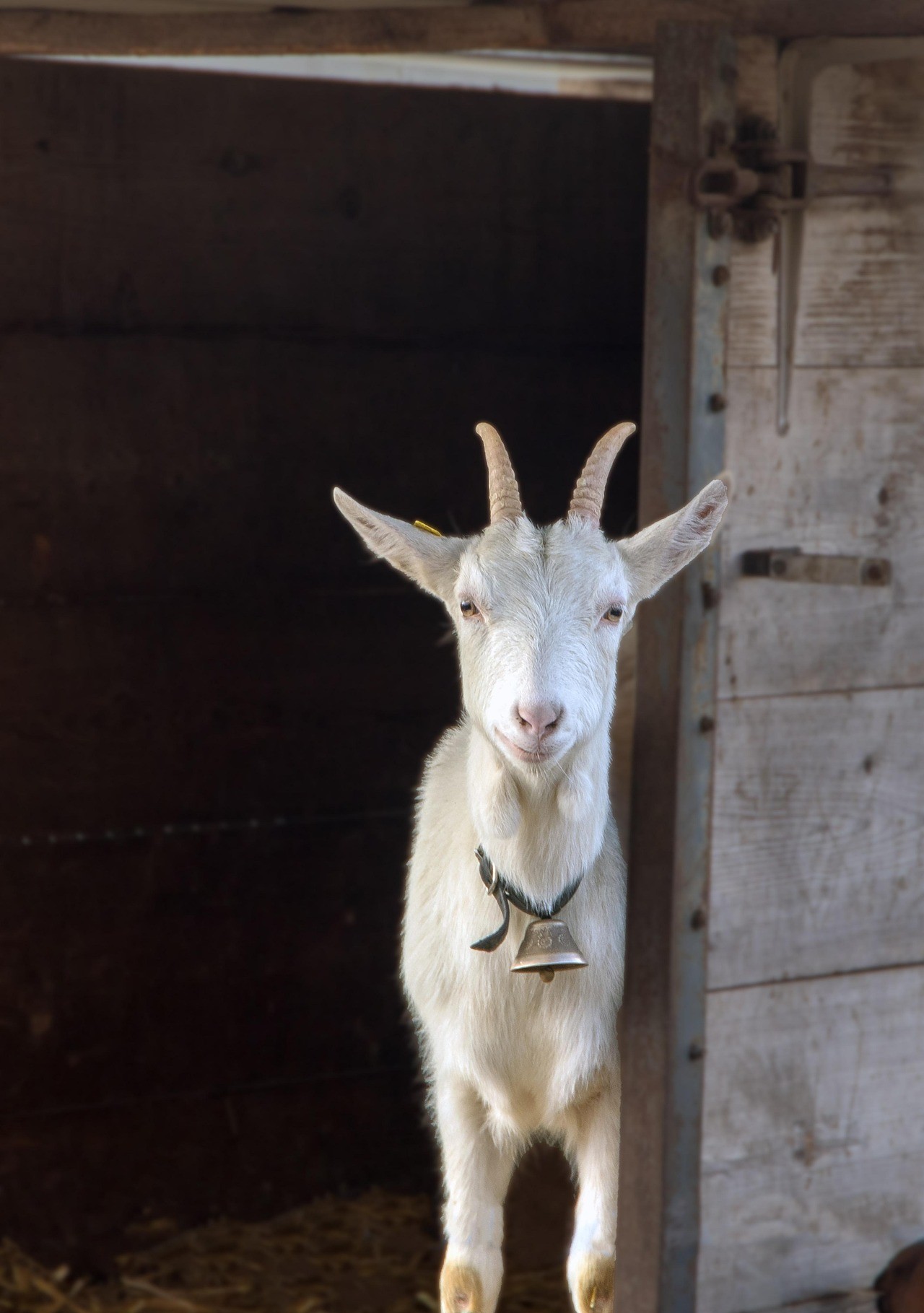
Pay close attention to openings where a goat could squeeze through or become stuck. Horned goats can get their heads caught in some fence openings, so spacing deserves careful consideration. Keep objects that goats could climb away from the fence line. Gates should close securely and hold up to repeated daily use. Make fence checks part of your normal care routine. Catching a loose wire or damaged section early can save you from discovering that one of your goats has found a way out.
Build a Goat Diet Around Quality Forage
Learning how to raise goats includes understanding how their digestive system and natural feeding behavior shape their diet. Goats are ruminants and natural browsers. This means that goats prefer to eat leaves, twigs, bark, shrubs, vines, and woody plants by reaching upward or stretching with their heads up. Their forage can also come from pasture or hay, depending on the season and your property.
Quality forage should form the foundation of your goats’ diet. Goats also need continuous access to clean water and an appropriate mineral supplement formulated for goats. Some goats need additional nutrition beyond forage. Growing kids may need more nutritional support as they develop, and lactating does have increased demands while producing milk. Pregnancy, breeding activity, and changes in body condition can also affect the feeding program.
Standlee Grazlee Chopped Alfalfa Timothy combines alfalfa and timothy hay in a chopped format. It can provide another convenient forage option when pasture is limited or as part of an existing forage program.
Choose supplemental feed based on the individual goat’s nutritional needs. Age, body condition, stage of production, available forage, and activity level can all influence how much additional feed is appropriate. If making dietary changes, do so gradually. Sudden feed changes can disrupt normal rumen function and contribute to digestive problems. Follow the feeding directions for the product you use and review the overall diet as your goats grow or move into a different life stage.
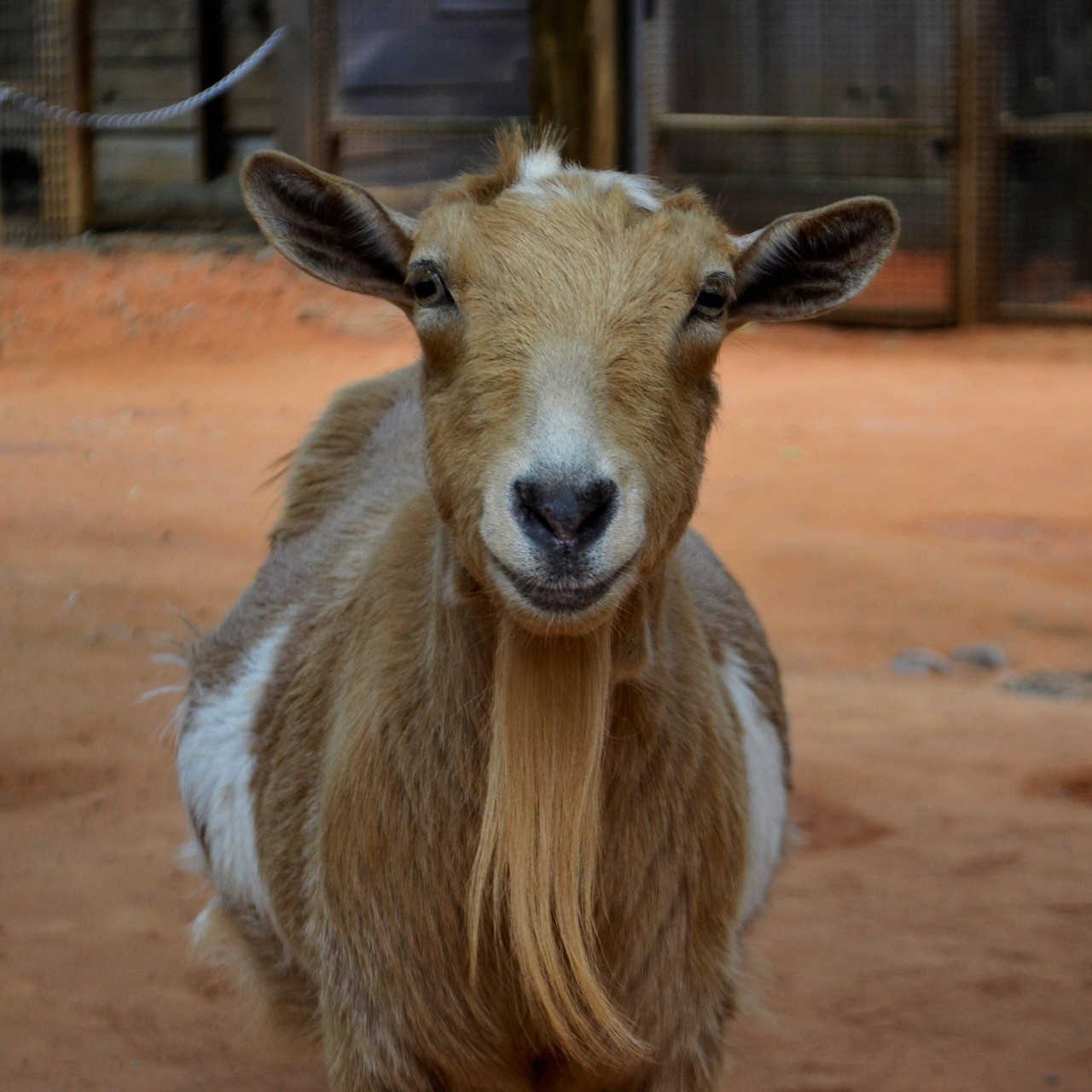
Choose Goat Feed Based on Life Stage and Nutritional Needs
The best feed for goats depends on the a few factors. Start with quality forage, and then choose support feed based on age, milk production, pregnancy, and body condition. Ace Hi Goat Feed and Kelley’s Alpine Goat Feed can be incorporated into feeding programs for mature goats across different stages of production. Feed them according to label directions alongside the forage portion of the diet.
For goat owners looking for an organic option, Modesto Milling Organic Goat Dairy Pellets can be used as part of feeding programs for growing kids and lactating does when fed as directed with quality forage.
Always follow the feeding instructions provided for the specific product you choose. If sheep and goats share your property, read feed labels carefully. Some goat feeds contain copper at levels appropriate for goats but unsuitable for sheep.
Learn Your Goats’ Normal Behavior
Daily observation is one of the most useful habits a new goat owner can develop. Spend a few minutes watching your herd while you feed them, refill water, or clean their living area. Notice how each goat normally eats, moves, rests, and interacts with the rest of the herd.
Changes become easier to recognize once you know each animal’s usual behavior. A goat that separates from the herd, loses interest in food, develops diarrhea, appears bloated, or begins moving differently deserves closer attention.
Routine goat health care may include hoof trimming, vaccination, body condition checks, and parasite monitoring. The schedule can vary based on your location, pasture conditions, management practices, and the individual animal. Work with your veterinarian to develop a monitoring and treatment approach that fits your herd.
Plan for Everyday Care Before Bringing Goats Home
Backyard goats need attention every day, so think about how their care will fit into your normal schedule before they arrive.
Each day, provide fresh water and the appropriate forage or supplemental feed. Walk through the enclosure to check the fencing, then spend a little time observing the herd. Remove heavily soiled bedding when needed and take note of changes in appetite or movement.
Other jobs happen less frequently. Hooves need periodic trimming, feeders and water containers need deeper cleaning, and fencing will occasionally need maintenance. Your feeding program may also need adjustments as the seasons change or a goat enters a different life stage.