
Seasonal Dog Care Guide:
Nutrition & care tips for cold weather
Dog Food
FAQ
Where
To Buy
Seasonal Dog Care Guide: Nutrition & Care Tips for Cold Weather
Cold weather brings changes to your dog’s daily routine, from shorter walks to spending more time indoors. It can also affect their nutritional needs, especially if they’re active outdoors throughout the winter. Some dogs thrive in chilly weather, while others are better suited to spend the entire season curled up somewhere warm. Either way, a few adjustments to their usual care can keep them comfortable and healthy when temperatures drop.
This seasonal dog care guide covers how to adjust your dog’s diet, maintain proper hydration, protect their paws, recognize signs that they’re getting too cold, and practical advice for dogs that spend much of their time outdoors.
How Does Cold Weather Affect Dogs?
A dog’s tolerance for cold weather depends on several factors, including: their breed, size, age, coat type, and overall health. Dogs with thick double coats, like Huskies and Malamutes, generally handle colder temperatures better than short-haired breeds. Smaller dogs lose body heat more quickly, while puppies and senior dogs can have a harder time regulating their body temperature.
Cold weather can also affect how much energy your dog needs. Dogs that spend considerable time outdoors burn additional calories to stay warm. Indoor dogs may become less active as walks get shorter and outdoor playtime decreases. Paying attention to your dog’s behavior and physical condition will help you recognize when their usual routine needs adjusting.
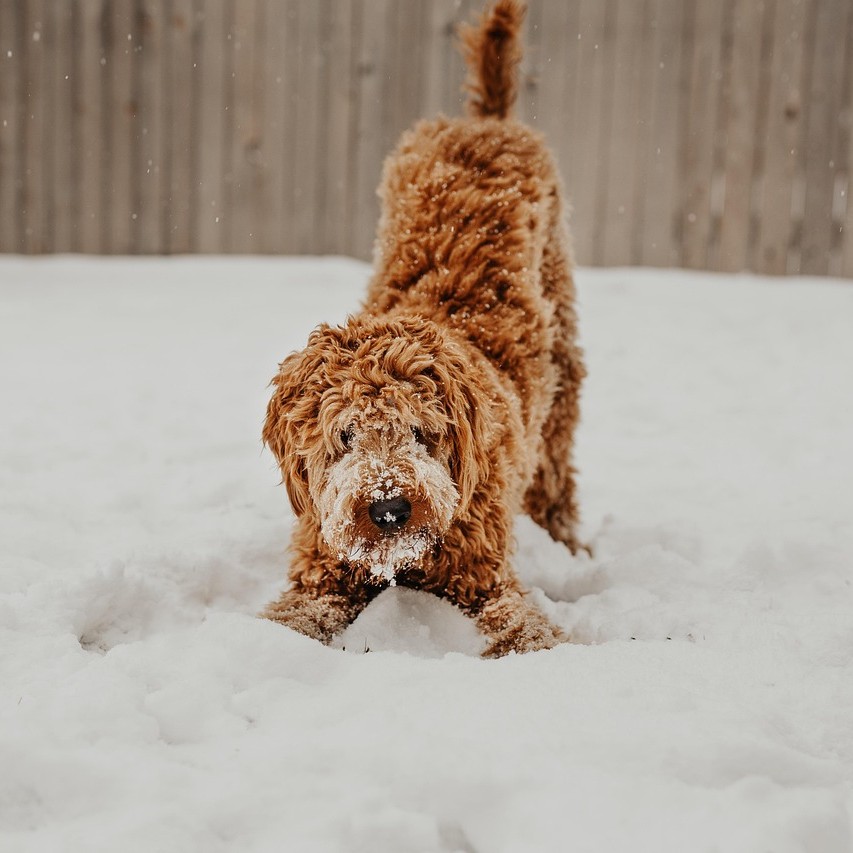
Seasonal Dog Care Guide: Feeding Dogs In Winter
Your dog’s nutritional needs may change with the seasons, particularly if their activity level or exposure to cold temperatures changes significantly. A balanced diet provides the nutrients they need to maintain healthy muscles, support their immune system, and fuel everyday activities.
Should You Feed Your Dog More in Winter?
Dogs don’t automatically need more food when temperatures drop. Their calorie requirements depend more on how much energy they use throughout the day. Working dogs and dogs that spend extended time outdoors in cold conditions may need additional calories to maintain their weight. Dogs that spend most of their time inside often do well with their regular feeding portions. Some may need slightly less food if their winter activity level decreases significantly.
Your dog’s body condition is a simple way to judge their nutritional needs. You should be able to feel their ribs beneath a light layer of fat and see a defined waist when looking down at them. Check their body condition every few weeks during winter. If your dog begins losing weight, consider their activity level and speak with your veterinarian about adjusting their portions. Unexpected weight changes should also be evaluated by your veterinarian.
What’s the Best Diet for Cold Weather Dogs?
The best diet for cold weather dogs provides complete, balanced nutrition suited to their age, size, and activity level. Protein supports muscle maintenance, while dietary fats supply concentrated energy. Carbohydrates also provide fuel for daily activity. Dogs with higher energy requirements may need larger portions or a different feeding plan recommended by their veterinarian.
When choosing dog food for winter, start with a formula that meets your dog’s everyday nutritional needs. Star Milling offers several options for adult dogs:
- Kelley’s K-9 Country Dog Food is a complete, meat-based nugget food formulated for adult dogs.
- Ace Hi Bite Size Chunk Dog Food provides complete nutrition in smaller, bite-sized nuggets. It’s an option for dogs that prefer smaller pieces of kibble.
- Ace Hi Chunk Dog Food features larger nuggets in a complete, meat-based formula for adult dogs.
All three formulas contain a minimum of 22% crude protein and 10% crude fat, providing balanced everyday nutrition for adult dogs. If you decide to change your dog’s food, introduce the new formula gradually over several days to give their digestive system time to adjust.
Winter Dog Food Tips for Maintaining a Healthy Weight
Winter feeding adjustments work best when they’re based on your dog’s individual needs. Start with the recommended portions on your dog’s food packaging. Monitor their weight and body condition, especially if they’re spending more time outdoors or getting less exercise.
Remember that training rewards, table scraps, and extra snacks all contribute to your dog’s daily calorie intake. Treats should generally make up no more than 10% of their daily calories. If your dog needs additional calories to support outdoor activity, increasing their regular food portions may be more appropriate than offering extra treats.
Keep Your Dog Hydrated Throughout Winter
Dogs need consistent access to clean, fresh water, even when the weather is cold. Indoor heating can contribute to dry air, and outdoor activity continues to increase your dog’s need for fluids. Dogs that eat dry kibble also rely on drinking water to meet much of their daily hydration needs.
For outdoor dogs, frozen water bowls are a common winter concern. Check their water frequently, especially when temperatures fall below freezing. A heated water bowl rated for outdoor use can be helpful in colder climates. Place it somewhere protected from the elements and inspect it regularly for damage.
If your dog seems less interested in drinking, try adding a little water to their dry food. Continue to keep a separate bowl of fresh drinking water available at all times. Snow isn’t a reliable source of hydration and may contain road salt or other harmful substances.
Adjust Your Dog’s Exercise for Cold Weather
Most dogs still need regular exercise during winter, although the length and intensity of outdoor activities may need to change. On especially cold or windy days, consider replacing a long walk with several shorter outings.
Watch how your dog responds to the conditions, particularly if they’re small, short-haired, elderly, or managing a health condition. Shivering, lifting their paws repeatedly, or trying to head home are signs that your dog may be getting uncomfortable.
A properly fitted dog coat can provide additional warmth for dogs with limited natural insulation. Make sure clothing allows comfortable movement and stays dry during outdoor activities.
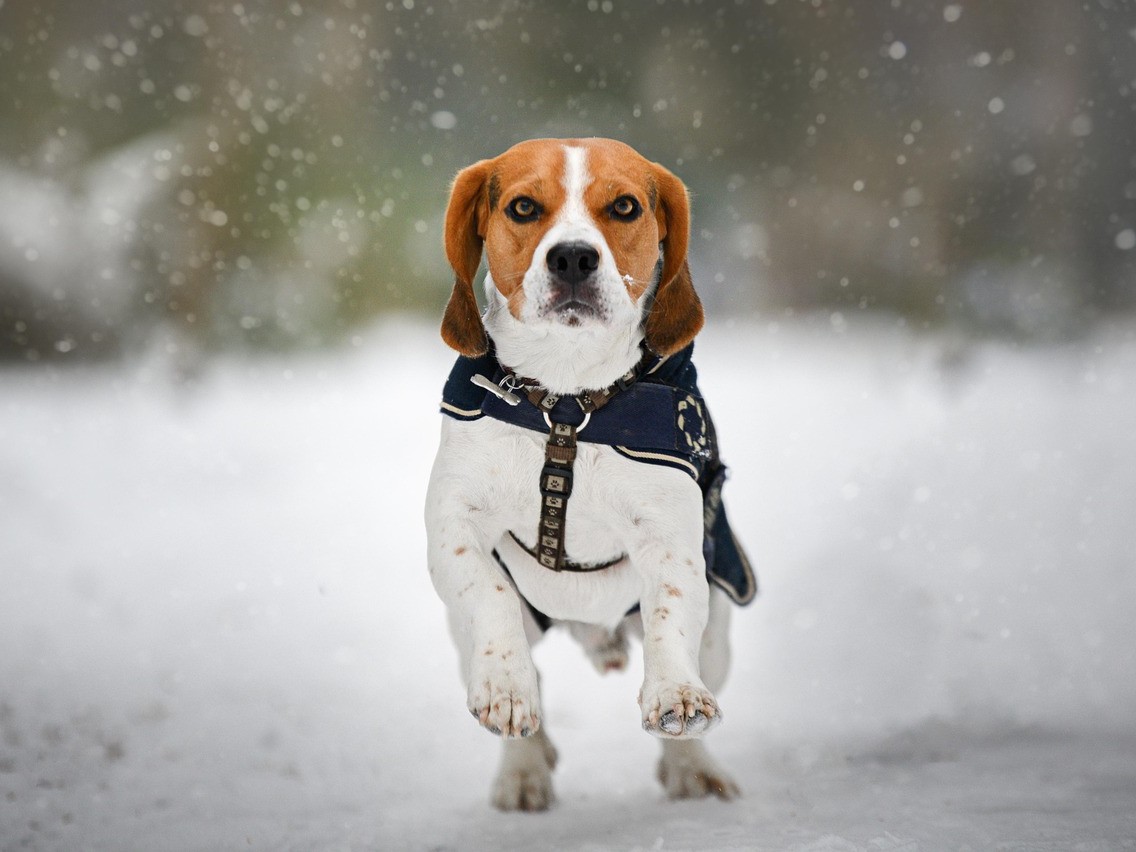
Protect Your Dog’s Coat, Skin & Paws During Winter
Regular grooming supports your dog’s comfort throughout the colder months. Brushing removes loose fur and helps prevent mats that can trap moisture against the skin. Your dog’s natural coat also provides insulation, so avoid cutting it excessively short during winter. Dogs with longer hair around their paws may benefit from careful trimming to reduce ice and snow buildup.
Indoor heating and cold outdoor air can contribute to dry skin. If your dog develops persistent itching, flaking, or irritation, speak with your veterinarian before trying new grooming products.
How Do You Protect Dog Paws From Snow and Ice?
Winter sidewalks can be hard on your dog’s paws. Ice, rough surfaces, and chemical deicers may irritate sensitive paw pads. After each walk, gently remove salt and other residue with a damp cloth. Check between their toes for trapped ice, then dry their paws thoroughly.
Dog boots can offer additional protection during walks on icy or heavily treated surfaces. If your dog dislikes wearing boots, a dog-safe paw balm may provide some protection from winter conditions. Persistent cracks, redness, excessive licking, or limping deserve a veterinarian’s attention.
Cold-Weather Care Tips for Outdoor Dogs
Dogs that spend much of their time outside need extra attention when temperatures fall. Even cold-tolerant breeds can develop hypothermia or frostbite with prolonged exposure to freezing temperatures, particularly when wind and moisture are involved. Providing a warm indoor space is the safest approach during severe weather.
How Cold Is Too Cold for a Dog?
There’s no universal temperature that’s safe for every dog. A healthy adult Husky may enjoy outdoor activity in conditions that would quickly become dangerous for a Chihuahua. Wind chill, wet fur, and prolonged exposure can make even moderately cold days hazardous.
Temperatures around or below freezing call for extra caution, especially for small dogs, short-haired breeds, puppies, and senior dogs. The time your dog spends outside, along with wind, moisture, and their individual cold tolerance, all affect the risk of cold-related illness. Pay close attention to your dog’s behavior and shorten outdoor activities at the first sign of discomfort.
Prepare Your Dog’s Daily Routine for Winter
As winter approaches, take a little time to review your dog’s usual care routine. Check that their food portions still match their activity level and body condition. Outdoor water sources need regular attention during freezing weather, and paw care should become part of the routine after walks.
Your dog should also have a warm place to rest after spending time outside. When severe winter weather is expected, plan for indoor exercise and shorter bathroom breaks. Changes in behavior can signal that your dog needs additional support. A dog that’s comfortable during a mild afternoon may need more protection during a cold snap. These habits can make the season more comfortable for your companion.