
Why Aren’t My Chickens
laying eggs?
About Our
Poultry Feed
Poultry
Care Corner
Poultry
Products
Grains &
Simple Ingredients
Where
to Buy
Why Aren’t My Chickens Laying Eggs? 10 Common Reasons & Solutions
Finding fewer eggs in the nesting box can be concerning, especially when your hens were laying regularly a few weeks ago. If your chickens suddenly stopped laying eggs, don’t assume something is seriously wrong. Egg production naturally changes throughout a hen’s life and can be affected by daylight, molting, nutrition, water, weather, stress, broodiness, age and health.
So, why aren’t your chickens laying eggs? Start by looking for changes in your flock’s routine and environment. In many cases, identifying and correcting the underlying cause can help your hens return to a more consistent laying schedule.
Why Aren’t My Chickens Laying Eggs Like They Used To?
A hen’s body needs adequate nutrition, water, daylight and energy to produce eggs. Her breed, age, health and surroundings also influence how frequently she lays. Healthy hens do not necessarily produce the same number of eggs every day or every week. Egg production naturally changes with age and the seasons. Young pullets may take time to begin laying, while older hens generally lay less frequently than they did during their peak production years. Decreasing daylight, molting, stress and other changes can also cause a temporary slowdown.
Before making changes, think about when the decrease started. Did the weather change? Did you switch feeds? Are the days getting shorter? Have your hens started molting? Did you add new birds or notice a predator around the coop?
Looking at the entire flock can also help. If several hens stop laying at the same time, a shared factor such as daylight, feed, water, weather or stress may be responsible. If only one hen is affected, pay closer attention to her individual health and behavior.
1) The Days Are Shorter
One of the most common reasons hens lay fewer eggs is decreasing daylight.
Daylight helps regulate the hormones involved in a hen’s reproductive cycle. As days become shorter in fall and winter, egg production commonly decreases and some hens may stop laying for a period. Extension resources note that maintaining high production generally requires a longer, consistent day length, while allowing hens to follow natural seasonal cycles is also an option for backyard flocks.
If you choose supplemental lighting, use a consistent schedule and make sure hens still have a regular period of darkness for rest. Never leave bright lights on continuously.
🔹Tip: If your chickens aren’t laying eggs during winter, shorter days should be one of the first things you consider.
2) Your Hens Are Molting
Molting is another common reason chickens stop laying eggs.
During a molt, hens shed old feathers and grow new ones. Feather production requires protein and energy, so a hen’s body may temporarily reduce or stop egg production while she concentrates on replacing her feathers.
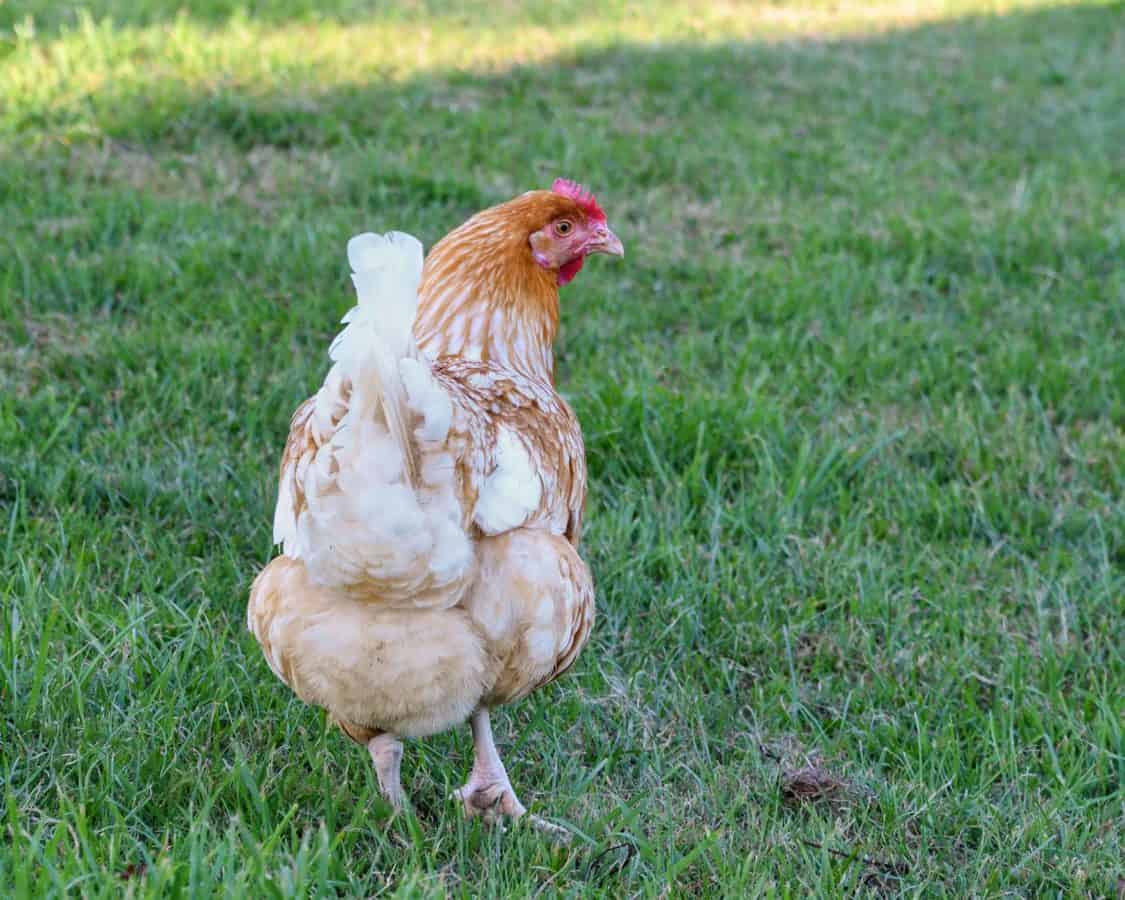
Signs of molting can include:
- Loose feathers around the coop
- Patchy-looking plumage
- New pin feathers growing in
- Reduced egg production
- Changes in appetite or behavior
Molting timing varies from hen to hen, but it commonly occurs as the seasons change. Egg production generally resumes after the molt is complete.
🔹Learn more in our guide to molting chickens.
3) Their Feed Is Falling Short
Nutrition plays an important role in egg production. Laying hens need a complete feed formulated to provide the protein, energy, calcium, vitamins and minerals required for maintenance and egg production.
Too many treats, table scraps or scratch grains can also be a problem. While these foods can be offered in moderation, they should not replace a complete hen layer feed. Make sure your hens have regular access to fresh, appropriate feed. Check stored feed for moisture, mold, insects or an unusual smell before serving it. If you recently changed feed, consider whether the change coincided with the drop in egg production.
🔹Our guide to feeding your flock balanced nutrition provides additional information.
4) They Aren’t Drinking Enough Water
Clean, fresh water is just as important as feed.
A hen that does not have consistent access to water may experience a decline in egg production. Waterers can become dirty, tip over, freeze during cold weather or run empty faster than expected during hot weather.
Check waterers at least daily and more frequently during extreme weather. Make sure all hens can access the water and that dominant birds aren’t preventing others from drinking.
🔹If your flock is suddenly laying fewer eggs, check the water before assuming the problem is more complicated.
5) The Weather Is Affecting Them
Extreme weather can affect how much hens eat, drink and move and that can influence egg production.
During hot weather, hens may eat less while drinking more as they try to stay cool. Providing shade, airflow and plenty of clean water can help reduce heat stress.
Cold weather can also affect production because hens use more energy to maintain body temperature. A dry, well-ventilated chicken coop protected from direct drafts helps keep chickens comfortable.
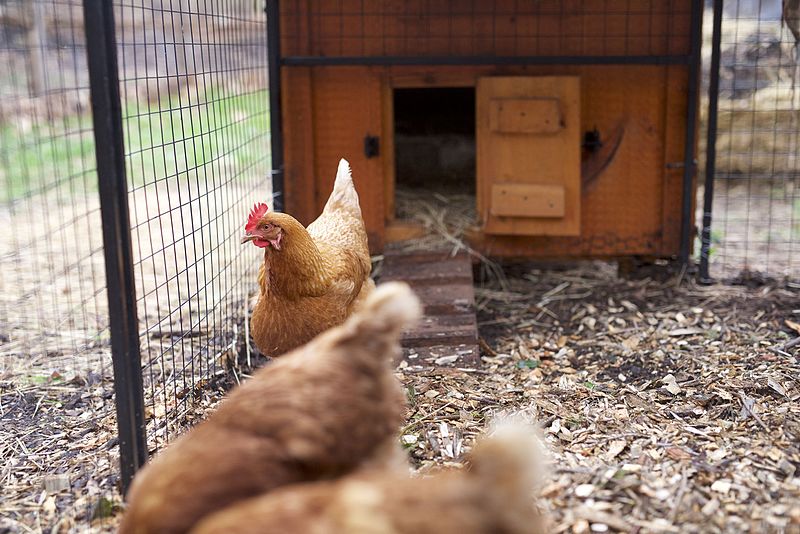
If your chickens stopped laying eggs during summer, heat stress should be high on your list of possible causes. Likewise, a winter slowdown may be related to shorter days as well as colder temperatures.
🔹Read more about keeping chickens cool in summer and preparing backyard chickens for cooler weather.
6) Your Flock Is Stressed
Stress can cause chickens to change their normal behavior and may contribute to reduced egg production.
Common sources of stress include:
- Predator activity near the coop
- Loud or unfamiliar noises
- Overcrowding
- Moving to a new coop
- Changes in daily routine
- Introducing new chickens
- Aggressive flock members
- Significant changes to the environment
Watch your hens for hiding, feather pecking, aggression, reduced appetite or other changes in behavior. Keeping a consistent routine, providing adequate space and making sure the coop and run are secure can help reduce unnecessary stress.
🔹See our guides on predator-proofing your chicken coop and introducing new chickens to your flock.
7) A Hen Has Become Broody
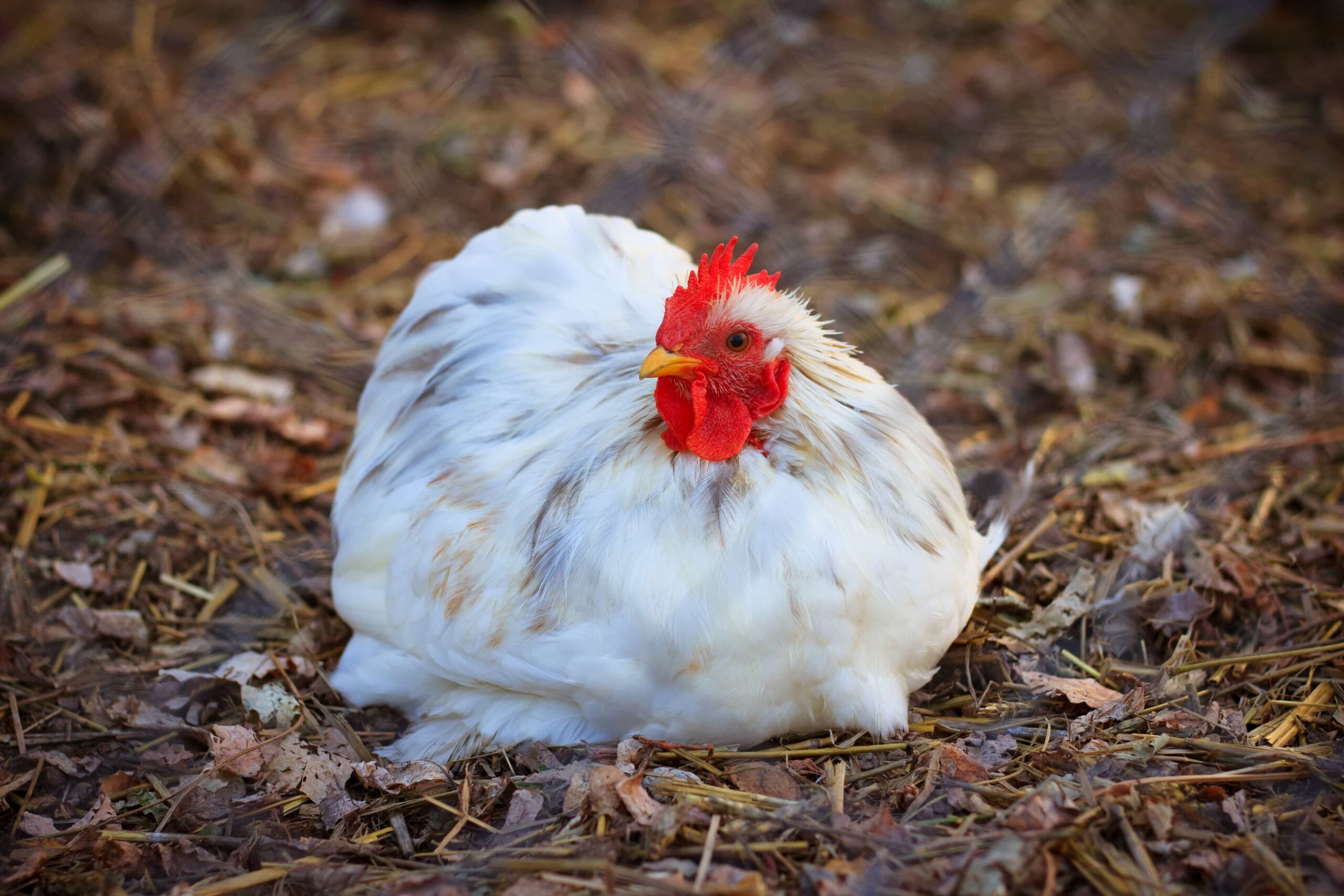
A broody hen is focused on sitting on eggs and hatching chicks and not on producing more eggs.
A broody hen may:
- Spend most of the day in the nesting box
- Puff up her feathers
- Become more protective of the nest
- Make unusual vocalizations
- Peck or protest when approached
- Leave the nest only briefly to eat and drink
Broodiness is a natural behavior, and some breeds are more likely to become broody than others. A broody hen generally stops laying while she remains in this state.
🔹If you aren’t planning to hatch chicks, learn how to manage a broody hen.
8) Your Hens Are Too Young or Getting Older
Age is an important part of the egg-production equation.
Young pullets do not begin laying immediately. Many laying breeds begin producing eggs at around 18 to 24 weeks, although the exact timing varies by breed and individual development. If your young chickens are approaching laying age but haven’t produced an egg yet, give them time and make sure they are receiving appropriate nutrition.
At the other end of the spectrum, older hens naturally produce fewer eggs than they did during their peak laying period. A healthy older hen may continue laying, but you should expect production to gradually decline.
🔹In other words, not every decrease in egg production means there is a problem but your hens are simply moving into a different stage of life.
9) The Eggs Are Hidden, Broken or Being Eaten
Sometimes your chickens haven’t stopped laying at all, you just aren’t finding the eggs.
Free-ranging hens may create hidden nests under shrubs, behind equipment, in tall grass or in other protected areas. If you can’t find the usual number of eggs in the nesting boxes, search the areas where your hens spend time. Broken eggs or egg eating can also make it appear that production has dropped. Look for:
- Eggshell pieces
- Wet or sticky nesting material
- Dried egg residue
- Hens repeatedly visiting a particular nesting area
- Eggs disappearing shortly after being laid
🔹Keep nesting boxes clean and comfortable, collect eggs regularly and limit opportunities for hens to develop egg-eating habits.
10) A Health Problem Is Affecting Egg Production
If your chickens suddenly stop laying eggs and none of the other causes seem to fit, a health problem could be involved.
Illness, parasites, injury and reproductive problems can affect a hen’s ability or desire to lay. Pay attention to changes in:
- Appetite or water consumption
- Droppings
- Activity level
- Comb or wattles
- Breathing
- Walking or posture
- Abdomen or vent
- Feather condition
- Overall behavior
A hen that is lethargic, losing weight, having difficulty breathing, straining without producing an egg, showing swelling or discharge, or declining rapidly is a problem.
🔹Have you hen immediately evaluated by a veterinarian familiar with poultry.
How to Get Chickens Laying Eggs Again
If your chickens stopped laying eggs, consider the common reasons above rather than changing everything at once. Keep a simple record of how many eggs you collect each day. Tracking egg production can help you identify whether the change is temporary or continuing, and can make patterns easier to spot.


Start With Balanced Nutrition
Nutrition is one of the easiest areas to evaluate. A complete layer feed is designed to provide laying hens with the vitamins and minerals they need as part of a balanced diet.
Ace-Hi Big Feeder Lay Crumbles and Kelley’s All Purpose Lay Crumble are complete feeds formulated for egg-laying hens over 18 weeks of age. These feeds contain extra protein and calcium to help hens produce strong, healthy eggs.
Keep treats and scratch grains as extras rather than allowing them to replace the main feed. Fresh water should also be available at all times.
When Should You Worry About Chickens Not Laying Eggs?
A temporary decrease in egg production can be normal, particularly during seasonal changes, molting or other periods of stress. However, a sudden and significant change accompanied by illness or abnormal behavior deserves closer attention.
Contact a poultry veterinarian if a hen:
- Appears weak or unusually lethargic
- Stops eating or drinking
- Has difficulty breathing
- Is losing significant weight
- Is straining without producing an egg
- Has a swollen abdomen
- Has unusual discharge
- Appears to be in pain
- Experiences a rapid decline in condition
If multiple hens become sick or stop laying at the same time, evaluate the flock’s feed, water, environment and overall health and seek veterinary guidance when appropriate.
Final Thoughts: Why Aren’t My Chickens Laying Eggs?
If you are asking, “Why aren’t my chickens laying eggs?” start by looking at the big picture. Egg production depends on more than just the feed in the feeder. Daylight, water, nutrition, weather, stress, molting, broodiness, age, nesting conditions and health can all affect how often your hens lay.
Check the basics first, make changes when needed and give your flock time to adjust. Keeping track of daily egg production and changes in your chickens’ behavior can help you identify patterns and catch potential problems early.
With consistent care, a balanced poultry diet and a comfortable environment, you can give your laying hens the best opportunity to stay healthy and maintain their natural egg production.
Looking for more information?
Visit our Poultry Care Corner for expert advice about poultry feeding & care.