
Indoor vs Outdoor Pot-Bellied Pigs
Care & housing tips
Small Animal
Feed FAQ
Where
To Buy
Indoor vs Outdoor Pot-Bellied Pigs: Care & Housing Tips
Pot-bellied pigs can live indoors, outdoors, or a combination of both, provided they have a comfortable resting area, protection from rough weather, and opportunities to explore each day. Good indoor pot belly pig care also means planning for the long term. Even pigs sold as “mini” can grow to well over 100 pounds, so their housing needs will change as they mature. Before bringing any pig home, check local ordinances, since some communities classify pet pigs as livestock.
Should Your Pot-Bellied Pig Live Indoors or Outdoors?
For many households, an indoor sleeping area with access to a secure yard offers a practical balance. Your available space, and the pig’s individual needs will guide you in choosing the best arrangement. Indoor housing makes it easier to share time with your pig and keep them safe during temperature swings. Safe flooring and a designated toilet area make indoor life more comfortable for you both. Your pig will also need regular exercise outside their resting space.
Outdoor housing allows more space for exploring and rooting. Your pig will need dependable fencing, a dry shelter, shade, and fresh water. A combination of the two often offers the most flexibility. Your pig can sleep inside, go outdoors for exercise and rooting, and return to a familiar resting area. Think about the weather where you live and how much space you can give your pig each day.
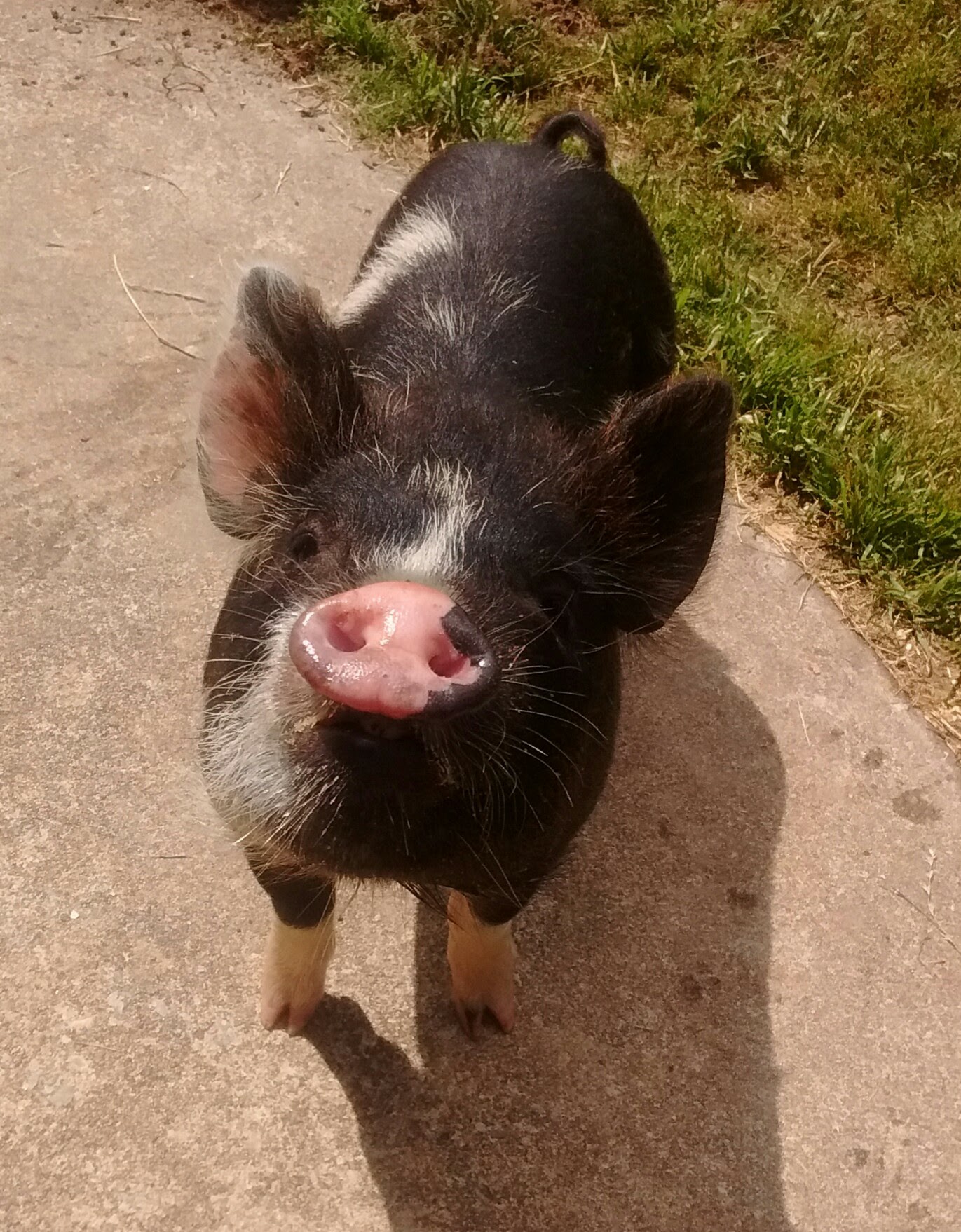
Indoor Pot Belly Pig Care: Set Up a Pig-Friendly Home
Start with a defined space, like a section of a spare room, where your pig can rest and eat safely. Use a sturdy barrier to limit access to other areas while they learn the household routine. Pigs are strong and persistent, so check that gates and latches can withstand pushing from a snout.
Flooring is a common concern in homes with pet pigs. Smooth tile and hardwood can be slippery, especially for heavier or older animals. An easy fix is to add washable, nonslip rugs or mats along the paths your pig uses most.
Additionally, pig-proof all areas your pig can access in your home:
- Move electrical cords out of reach
- Secure cleaning products and medications
- Check that houseplants are pig-safe.
- Keep the sleeping area separate from their toilet spot.
- Leave enough room for your pig to turn around and stretch out
- Choose a water bowl that is difficult to overturn.
- Learn which common foods are toxic and unsafe for pigs.
- Add a rooting mat or box for days when outdoor time is limited.
How Do You Litter Train a Pot-Bellied Pig?
Pigs naturally tend to use a particular area for toileting. Put a large, low-sided litter tray in a quiet corner away from food and bedding. Your pig should be able to step into the tray and turn around comfortably. Replace the tray as your pig grows.
Use a pig-safe, absorbent material – common options are shredded paper or untreated pine shavings. Avoid clumping cat litter, which can be dangerous if swallowed. Always keep the tray clean and in a consistent location.
Guide your pig to the litter area after meals and naps, and calmly reward successful visits. Begin with a smaller living area, then increase access to the rest of the house as the habit develops. If a reliably trained pig suddenly starts having accidents, check for changes in their routine and ask your veterinarian about possible health concerns.
Outdoor Housing for Pet Pigs: Build a Safe Pig Enclosure
Outdoor housing for pet pigs should provide separate places to sleep, eat, and relieve themselves, with additional space for walking and digging. Position the shelter on well-drained ground and protect its entrance from rain and wind. Check the sleeping area often for damp bedding or standing water.
Install sturdy fencing that reaches securely to the ground. Pigs may push loose panels or dig near fence lines, so pay close attention to gates and corners. Regularly check the yard for sharp objects, poisonous plants, garden chemicals, and other hazards.
A pen of at least 50 square feet per pig is a basic housing guideline, although larger areas give pigs more freedom to move and explore. Treat the pen as their home and provide additional exercise space whenever possible. If you have room, rotate access between two fenced sections so heavily rooted ground can recover. Remove waste daily, and keep fresh water secured against tipping.
Why Does Your Pig Need a Rooting Area?
Rooting is a natural instinct that lets your pot belly pigs explore, forage, and even regulate their temperature. Give your outdoor pig a patch of untreated (pesticide-free) soil where digging is welcome, away from garden beds you want to protect. Provide a secure pen with deep fencing and include enrichment enhancements such as non-toxic logs or stumps they can roll around.
For indoor rooting, try a sturdy box with pig-safe material or a washable fleece rooting mat. Hide part of your pig’s measured daily pellets in the mat so they can forage without receiving extra food. Change the layout occasionally to add interest.
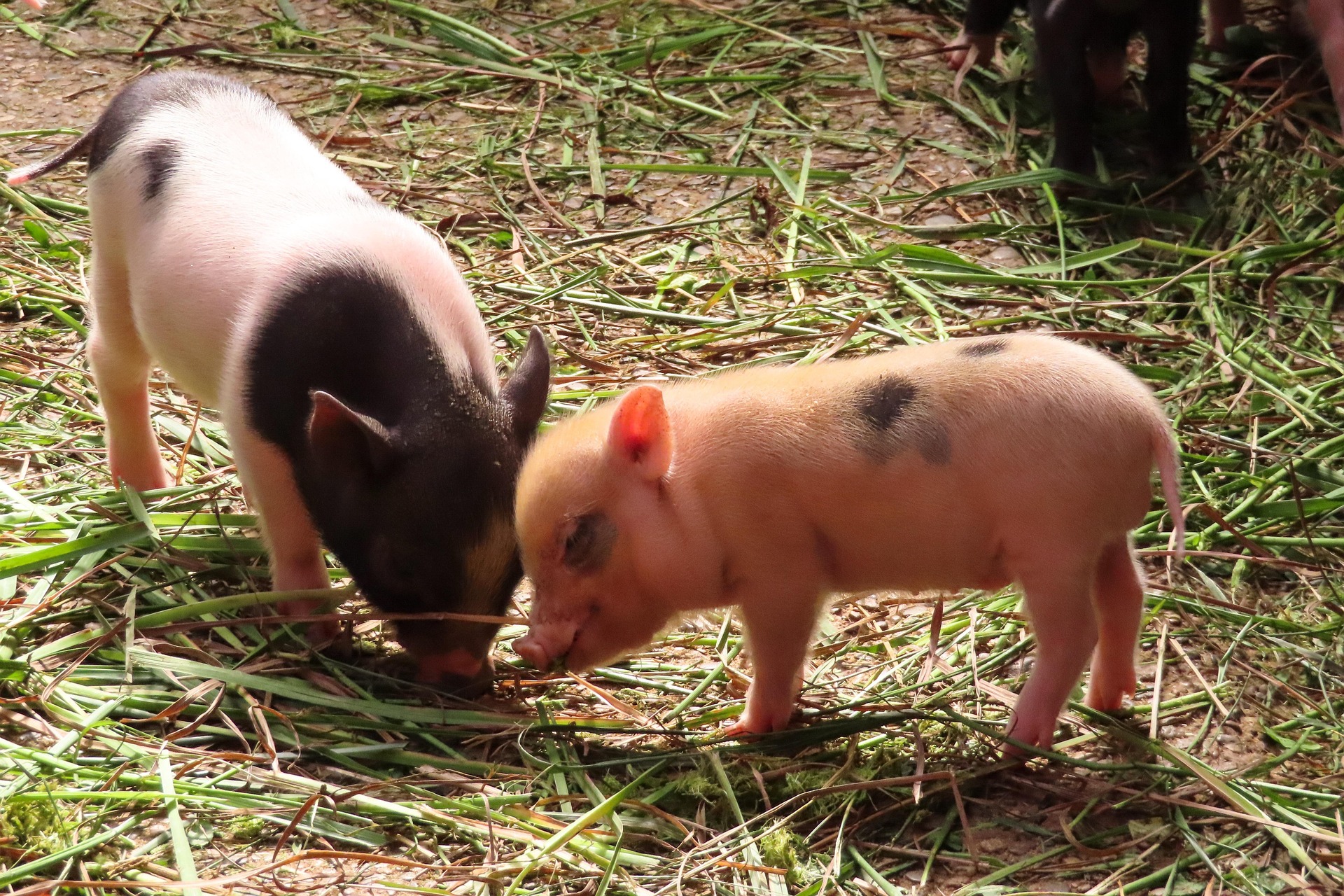
What Bedding and Temperature Are Best for Pot-Bellied Pigs?
A pig’s sleeping space should stay clean, dry, and free from drafts:
- Indoors, washable fleece blankets are comfortable for pigs that leave fabric intact.
- Outdoor shelters can be bedded with clean, dry straw for insulation.
Replace wet or heavily soiled bedding promptly. Watch for chewing or swallowing of bedding, and choose a safer material if that happens.
Adult pot-bellied pigs are generally most comfortable around 65°F to 75°F. Hot weather deserves close attention as pigs have limited ability to cool themselves through sweating. Provide shade, plenty of fresh water, and access to a shallow wading pool or another safe cooling area. Move your pig into a cooler space during extreme heat. Heavy panting, weakness, or unusual lethargy can signal an urgent health issue that needs veterinary attention.
During cold weather, provide a well-insulated shelter with dry bedding and access to a warmer space when needed. Young pigs and those with health or mobility concerns need closer attention during temperature changes. Acclimate pigs to seasonal changes gradually.
How Much Exercise Does a Pet Pig Need?
Plan for activity every day, even if your pig has a large enclosure. A useful goal for a healthy adult is at least an hour of movement spread across the day, adjusted for age, fitness, and veterinary guidance. Try supervised time in a fenced yard or short walks with a properly fitted harness. Searching for scattered portions of their regular feed encourages movement, too.
Pigs are social animals that need regular interaction. Offer activities that call on your pig’s curiosity: practice simple cues using small food rewards from their daily ration, or rearrange a rooting box to give them something new to explore. Restlessness, furniture damage, or repeated escape attempts may signal a need for more activity. Schedule regular veterinary visits for hoof care and other preventive needs, especially if your pig becomes reluctant to walk.
Should Indoor and Outdoor Pot-Bellied Pigs Eat Different Food?
Both indoor and outdoor pigs benefit from a balanced feed made for miniature and pot-bellied pigs. Daily portions depend on your pig’s body weight, overall health, age, and activity level. Safe grasses and vegetables can add variety, while fruit and other treats should be limited. Fresh drinking water should always be available.
Star Milling offers two complete pellet options formulated for miniature and pot-bellied pigs of all ages: Ace Hi Mini/Pot Bellied Pig Diet and Kelley’s Mini/Pot Bellied Pig Diet. You can also set aside some of your pig’s daily pellets for training and foraging games. This encourages natural behavior while keeping portions consistent.
Give Your Pot-Bellied Pig a Comfortable Place to Call Home
The best mini pig living environment gives your pig enough room to follow their natural routines as they grow. Thoughtful indoor pot belly pig care, paired with safe outdoor opportunities, gives your pig room to explore and a dependable place to rest.