
How Much Space Do Chickens Need?
A coop & run size guide
About Our
Poultry Feed
Poultry
Care Corner
Poultry
Products
Grains &
Simple Ingredients
Where
to Buy
How Much Space Do Chickens Need? A Coop & Run Size Guide
How much space do chickens need to stay healthy and comfortable? For most standard-sized backyard chickens, a good starting point is 4 square feet of indoor coop space and at least 10 square feet of outdoor run space per bird. Larger breeds generally need more room, while smaller bantam chickens can manage with slightly less.
Chickens spend their days scratching, exploring, dust bathing, and interacting with their flock. Giving them enough space to enjoy these natural activities supports their physical health and helps reduce stress, feather pecking, and aggression.
If you’re planning your first backyard flock or thinking about adding more chickens, understanding chicken coop size requirements will help you create a safe, practical setup for your birds.
How Much Space Do Chickens Need in a Coop and Run?
For standard-sized laying hens, plan for approximately 3-4 square feet of indoor coop space and at least 10 square feet of outdoor run space per bird. These recommendations work well as starting points for backyard flocks that can regularly move between their coop and run. Space requirements do vary based on different chicken breed sizes.
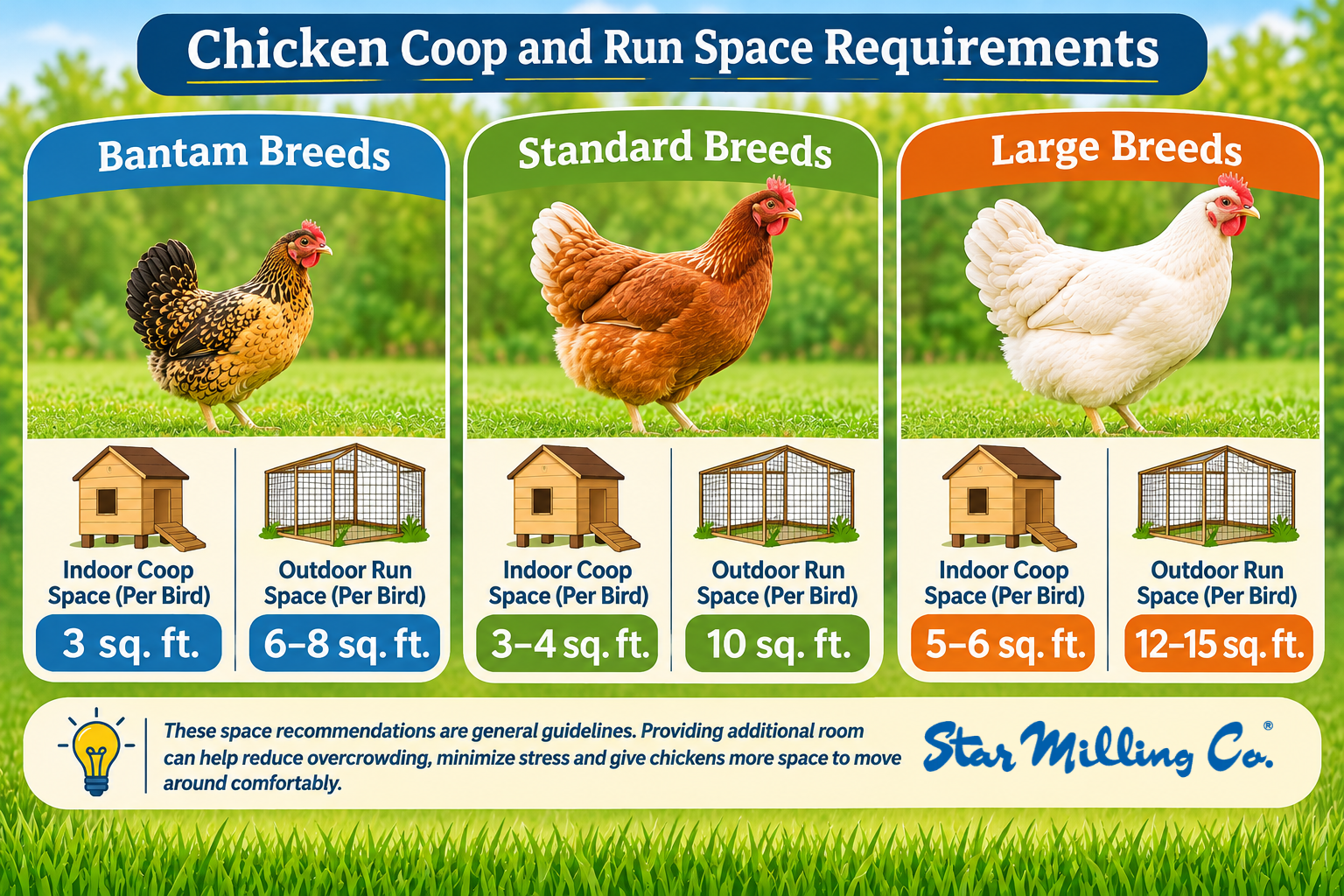
These are general planning guidelines. For example, chickens with limited outdoor access need more indoor space, and those confined to a run for much of the day benefit from a larger enclosure. Mixed flocks (breeds or personalities) may need more space to prevent pecking issues. If you have the option to provide additional space, your chickens will have more opportunities to exercise, forage, and move away from flock mates when they want some distance.
How Many Chickens Per Coop?
You can estimate how many chickens fit in a coop by dividing the usable floor area by the recommended space per bird. For example, a 6-by-8-foot coop provides 48 square feet of floor space. Under the above guidelines, that size could accommodate up to 12 standard-sized chickens with sufficient outdoor access.
Remember to measure the usable floor area rather than relying solely on the coop’s advertised dimensions. Large feeders, waterers, and floor-level nesting boxes take up space that chickens would otherwise use to move around. When planning a new coop, it’s also worth considering any additional birds you might want to raise in the future.
Does Chicken Breed Affect Space Requirements?
Chicken breeds vary in body size, activity level, and temperament. These differences can influence how much space they need and which coop features will work best.
Small Chicken Breeds
Bantam chickens are smaller than standard breeds and typically need around 3 square feet of coop space and 6-8 square feet of run space per bird. Their compact size can make them a good fit for smaller backyard setups. However, some bantam breeds are especially active and enjoy having plenty of outdoor space to explore.
Standard-Sized Chicken Breeds
Popular backyard breeds like Rhode Island Reds, Leghorns, and Plymouth Rocks generally do well with 4 square feet indoors and 10 square feet outdoors per bird. Their activity levels can vary by breed and individual bird. An energetic flock that spends much of the day in a run may benefit from additional outdoor space.
Large Chicken Breeds
Larger chickens, including Brahmas, Jersey Giants, and Orpingtons, generally benefit from 5-6 square feet indoors and 12-15 square feet outdoors per bird. Their heavier bodies also call for appropriately sized roosting bars, nesting boxes, and accessible perches. Lower roosts can make it easier for large birds to get up and down safely.
Chicken Run Size: How Much Outdoor Space Do Chickens Need?
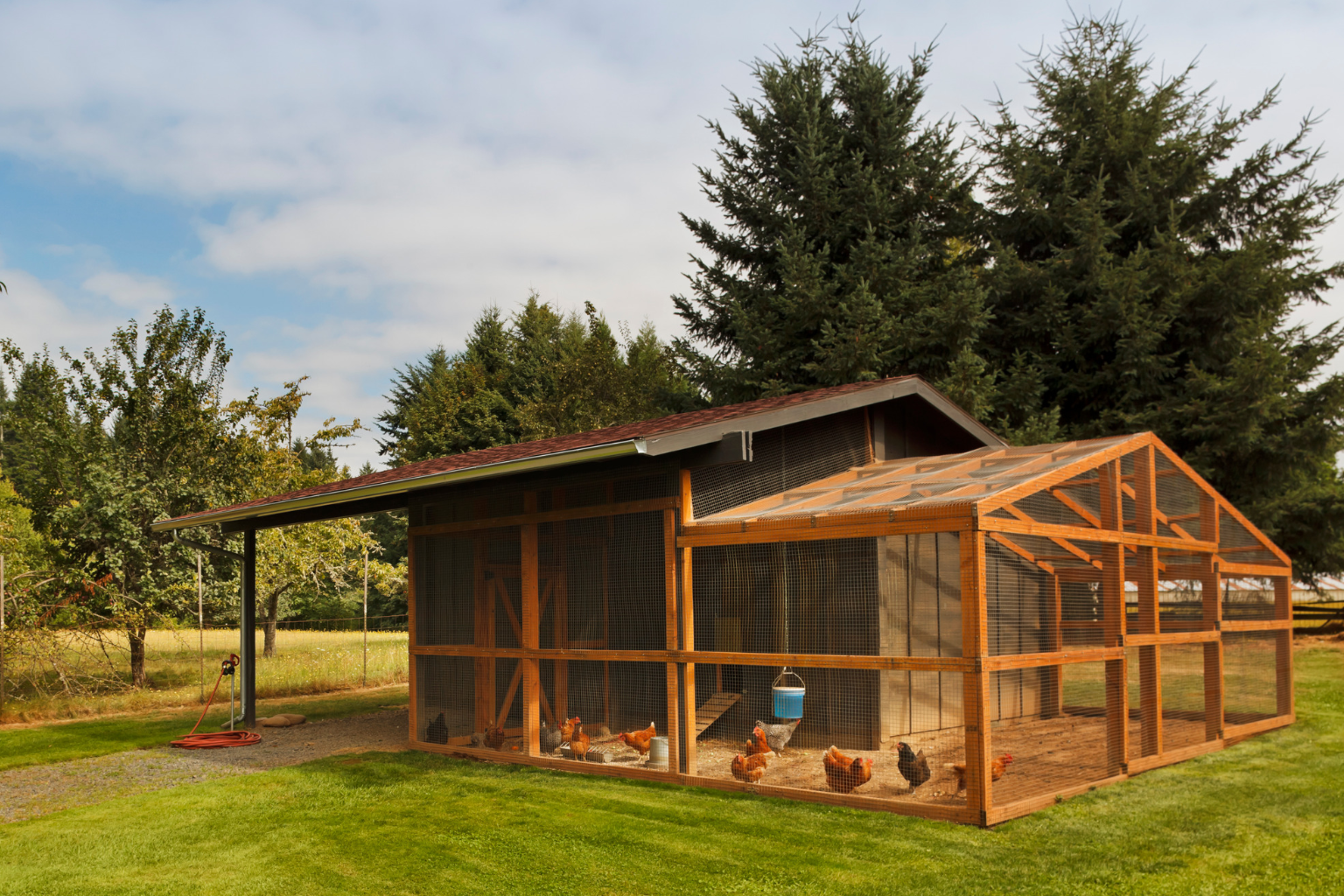
A chicken run is a secure outdoor enclosure where birds can exercise, scratch, forage, and spend time outside while remaining protected from predators.
For standard-sized chickens, 10 square feet per bird is a useful minimum planning guideline. If your flock spends most of their waking hours outside, they will benefit from a run with a more generous layout giving them plenty of space to roam. A mix of roof coverage and open mesh allows both rain shelter and natural sunlight to filter through.
The shape of your run also affects how chickens use it. A wider enclosure with open areas and places to explore allows birds to spread out and move around one another more easily than a narrow, crowded passage. You can make the run more interesting by adding low perches, logs, shaded areas, and designated dust-bathing spots. These features encourage natural behaviors and provide opportunities for activity from your flock throughout the day.
Pay attention to ground conditions, too. Chickens naturally scratch and dig, so heavily used runs can become bare or muddy over time. Good drainage, regular cleaning, and rotating access to different areas when possible, can help maintain healthier conditions.
Do Free-Range Chickens Still Need a Run?
Free-ranging gives chickens access to a larger area where they can search for insects, scratch through vegetation, and explore their surroundings. Even if your chickens regularly free-range, a secure outdoor run is a useful part of their housing. It provides a protected area when predators are active, you’re away from home, or unrestricted outdoor access isn’t practical.
Free-ranging also requires additional precautions against chicken predators. Hawks, foxes, raccoons, and other predators can threaten backyard chickens, even during daylight hours. Supervised outdoor time, secure fencing, and access to shelter can help reduce these risks. Your chickens should always have a safe coop where they can sleep overnight.
What Else Should You Consider When Planning Coop Space?
A well-designed chicken coop needs adequate roosting areas, nesting boxes, ventilation, and access to food and water. These features all influence how comfortably your flock can share its living area.
Roosting Space
Chickens naturally prefer to sleep on elevated perches. Provide approximately 8-12 inches of roosting bar space per standard-sized chicken, with additional room for larger breeds. Roosting bars should be sturdy and positioned at heights your birds can reach safely. Heavier chickens often do better with lower perches that reduce the distance they need to jump.
Nesting Boxes
For laying hens, plan for approximately one nesting box for every 3-4 birds. A nesting box measuring around 12 by 12 inches works for many standard-sized breeds, although larger chickens may need more space. Place nesting boxes in a quiet, sheltered area of the coop with clean, dry bedding. Hens often prefer some privacy when laying eggs, and a suitable nesting area can help encourage them to lay in designated boxes.
Ventilation & Cleanliness
Proper ventilation allows moisture, dust, and ammonia to escape while bringing fresh air into the coop. Position ventilation openings above the roosting area so air can circulate without creating direct cold drafts where chickens sleep. Regular cleaning is equally valuable. Remove accumulated manure, replace soiled bedding, and check for damp areas that could encourage mold or bacterial growth.
Feeding & Watering Areas
Your chickens always need easy access to fresh water and a balanced diet appropriate for their age and stage of development. Place feeders and waterers where birds can reach them without crowding. Larger flocks may benefit from multiple feeding stations, especially if dominant birds prevent others from accessing food.
How Can You Tell if Your Chickens Need More Space?
Your flock’s behavior can provide clues about how well its living environment is working. Frequent chasing, aggressive feather pecking, or bullying around feeders may indicate that chickens are having difficulty sharing their space. While some pecking is normal as birds establish their social order, repeated aggression deserves attention.
Other potential warning signs include damaged feathers, birds avoiding certain areas of the coop, and excessive manure buildup.
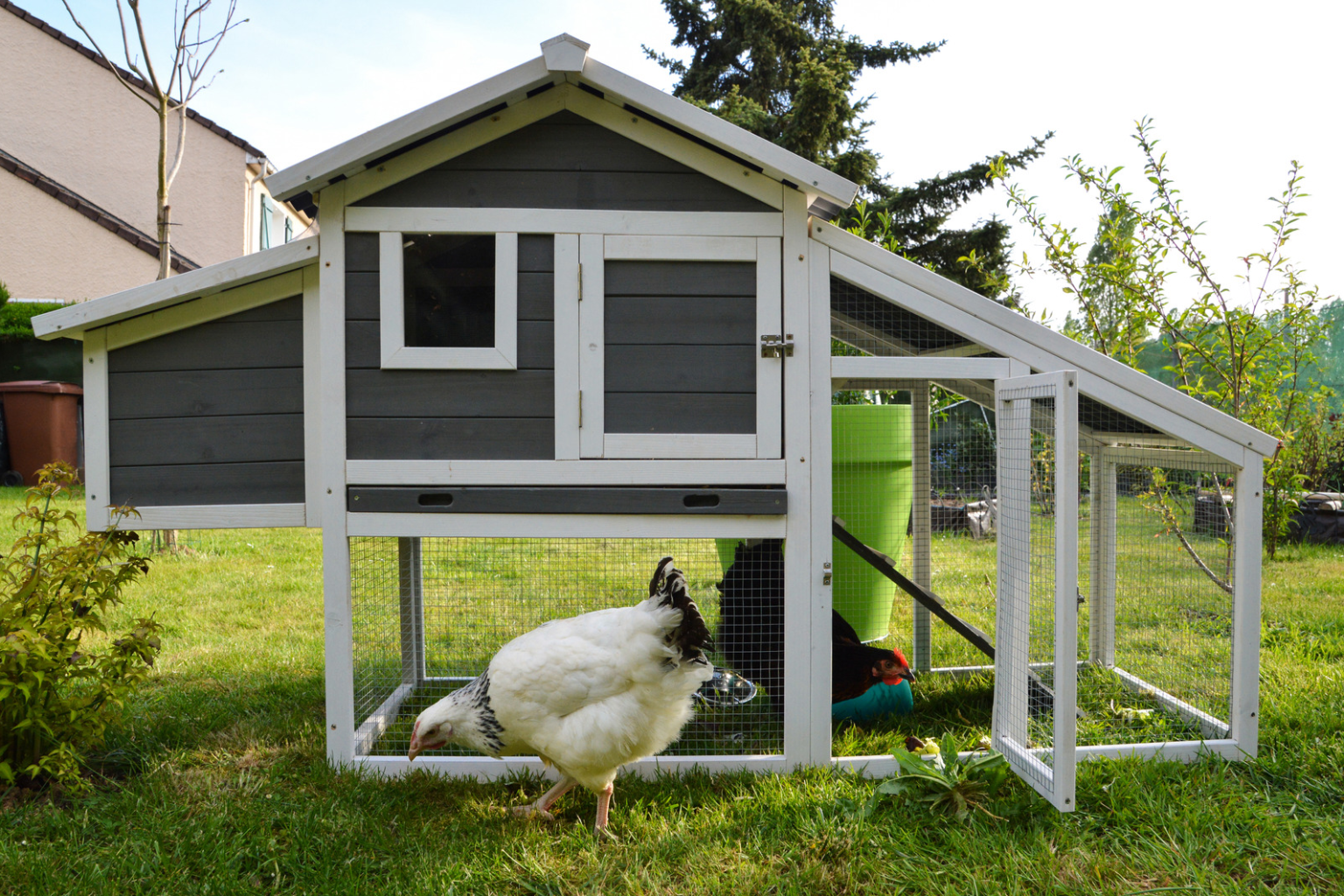
Keep in mind that these behaviors can have several causes. Nutritional imbalances, parasites, illness, and changes within the flock may also contribute to stress or aggression. If you suspect overcrowding, observe when and where problems occur. Adding another feeder, providing visual barriers, expanding the run, or reducing flock size may help relieve tension. Providing multiple areas for chickens to eat, rest, and explore can be especially helpful when birds have different temperaments.
How Do Seasons and Flock Growth Affect Space Needs?
The amount of usable space your chickens have can change throughout the year, especially when weather conditions limit outdoor activity. During heavy rain, snow, or extreme temperatures, birds may spend longer periods inside the coop or in sheltered areas. A setup that works well during pleasant weather may feel crowded when chickens are confined for several days.
If your climate experiences long stretches of unfavorable weather, consider building a larger coop or adding a covered run that chickens can safely access. A covered run can provide additional opportunities for movement while keeping birds sheltered from rain and snow. Make sure it has adequate ventilation, dry ground conditions, and protection from predators.
Future flock growth is another consideration. If you’re raising chicks, calculate your permanent housing dimensions based on their expected adult size. You may also decide to add chickens in the future. Leaving some extra capacity can make those additions easier, although new birds will still need a gradual introduction to the existing flock. Before purchasing or building a coop, check local regulations for restrictions on flock size, property setbacks, and chicken housing.
Plan a Comfortable Home for Your Backyard Chickens
If you’re preparing to raise chickens for the first time, our guides on Healthy Chickens and How to start your backyard flock offer more practical advice on planning your setup and caring for your birds as they grow.
Looking for more information?
Visit our Poultry Care Corner for expert advice about poultry feeding & care.