
All About Poultry Care
A complete guide to chicken keeping
About
Our Feed
Poultry
Care Corner
Poultry
Products
Grains &
Simple Ingredients
Where
to Buy
All About Poultry Care: A Complete Guide to Raising Healthy Chickens
Caring for poultry involves much more than providing food and shelter. Good poultry care includes proper nutrition, clean water, safe housing, disease prevention, flock management, and regular observation of your birds. Whether you are raising backyard chickens for fresh eggs, keeping a small flock as pets, or caring for growing birds, understanding their basic needs is the foundation of a healthy flock.
This poultry care guide covers the essentials of raising chickens, including feeding, watering, coop management, chick care, temperature management, flock health, and common poultry problems. By establishing consistent daily care routines and learning to recognize changes in your birds’ behavior and appearance, you can help your flock stay healthy, comfortable, and productive.
Daily Poultry Care Checklist
Good poultry care starts with a consistent daily routine. Taking a few minutes each day to check your flock can help you identify problems before they become serious. A simple daily poultry care checklist includes:
✅ Provide fresh water: Check waterers every day and refill them with clean, fresh water as needed.
✅ Check feed: Make sure birds have access to an appropriate complete feed for their age and purpose.
✅ Observe your flock: Watch for changes in appetite, activity, posture, appearance, or behavior.
✅ Check the coop: Look for wet bedding, excessive droppings, broken equipment, or anything that could injure your birds.
✅ Collect eggs: Gather eggs regularly to keep them clean and reduce the chance of cracking or unwanted egg-eating behavior.
✅ Check for signs of illness or injury: Look for unusual droppings, coughing, limping, isolation from the flock, or other changes.
✅ Make sure birds are secure: Check doors, fencing, and other barriers to help protect your flock from predators.
Chicken Terms To Know
If you are new to raising chickens, here are some basic poultry care terms that should be part of your everyday vocabulary.
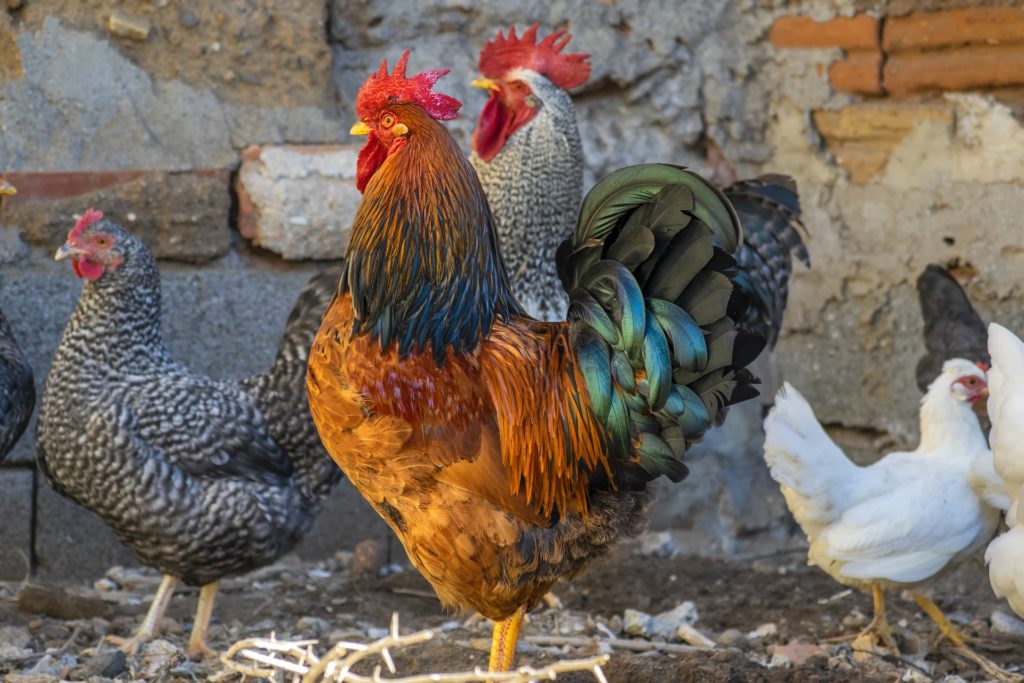
FLOCK
A flock of chickens is a group of social birds that live together in a dominance hierarchy. Each chicken in the flock has a rank and a position in the pecking order. The pecking order is usually stable until new birds are added or an existing bird is removed, at which point the order must be re-established (see: How to Successfully Add Chickens to Your Flock).
CHICK
A chick is a young chicken, generally from hatching until it is ready to transition into the next stage of its feed program (see: Tips for Thriving Chicks).
GROWER
A growing chicken is between the chick and adult stages and has different nutritional and management needs than a laying hen.
COMPLETE FEED
A complete poultry feed is formulated to provide the essential nutrients birds need for their particular life stage. Feeding a complete diet helps prevent nutritional deficiencies.
PULLET
A pullet is a female chicken under one year old.
HEN
A hen is a female chicken over one year old.
LAYER
A layer is a mature female chicken that is producing eggs and requires a complete layer feed formulated to provide the nutrients needed for maintenance and egg production.
BROODY
A broody hen is a chicken that is determined to sit on a nest and hatch eggs (see: Broody Breaking).
COCKERAL
A cockerel is a male chicken under one year old.
ROOSTER
A rooster is a male chicken over one year old.
MOLTING
The natural shedding of old feathers and the growth of new ones (see: All About Molting).
GRIT
Grit is made of small, hard particles that help chickens grind food in their gizzard. Chickens that consume whole grains, seeds, or other foods that require grinding may need access to grit.
Feeding Poultry for Maximum Health & Egg Production
Proper poultry nutrition is one of the most important parts of poultry care. Chickens need a balanced diet that provides appropriate levels of protein, energy, vitamins, and minerals for their stage of life. Chicks, growing birds, laying hens, and other types of poultry do not all have the same nutritional requirements, so choosing a feed formulated for the bird’s age and purpose is important.
A complete poultry feed should make up the foundation of your flock’s diet. Treats, scratch grains, table scraps, and other supplemental foods should not replace a nutritionally complete feed.
Feed Ace Hi or Kelley’s Chick Starter until 8 weeks of age. Then feed a Grow Mash until they are 18 weeks old or if they have started laying eggs. Then it’s time to switch to Ace Hi Big Feeder or Kelley’s All Purpose Lay feeds. Check out the wide variety of poultry products we have available.
- Adult hens eat approximately ¼ pound of feed per day.
- You do not have to use a different feed for the roosters housed with your hens.
- Feed chicken scratch only as an occasional treat. It is low in protein without the vitamins or minerals your hens need to reach their laying potential.
- Do not feed moldy or wet feed.
Treats and Scratch for Chickens
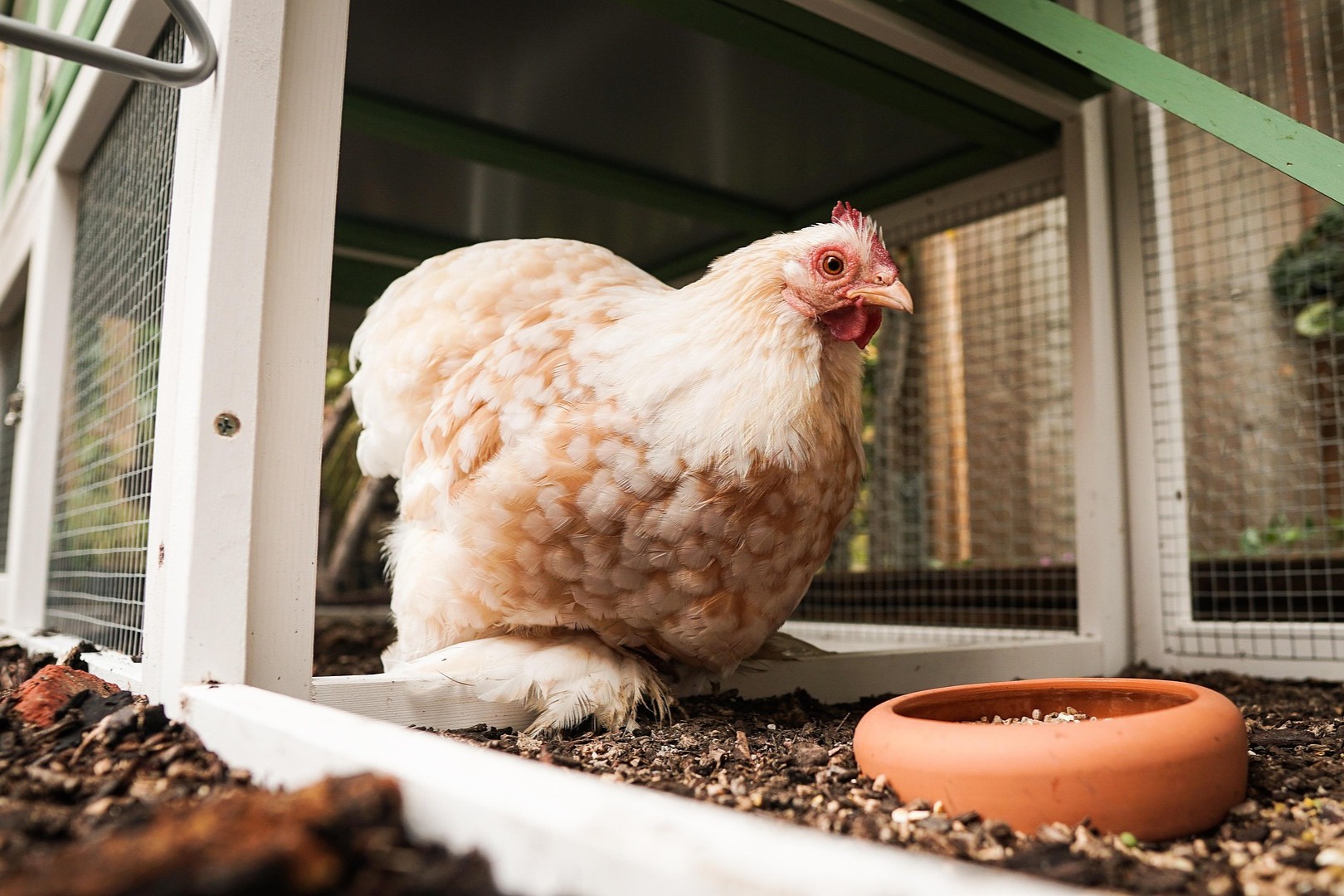
Scratch grains and treats can be enjoyable additions to a chicken’s diet, but they should not replace complete poultry feed. Because scratch is lower in protein and does not provide all of the vitamins and minerals birds need, offer it sparingly.
When giving treats to your flock, avoid moldy, spoiled, or excessively salty foods. Providing fresh, clean water and a complete feed should remain the foundation of your backyard chicken care and the cornerstone of your flock’s daily diet.
The Importance of Water
Chickens must have clean, fresh water to digest their feed properly. Chickens drink water in small increments, frequently throughout the day. A chicken is more than 70% water and a large chicken will drink 1 to 2 cups a day, depending on the weather. Hens that do not get enough water will not lay properly because eggs are 65% water.
Keeping Poultry Water Clean
Providing water is only part of good poultry care. Waterers should be checked and cleaned regularly to help prevent the buildup of dirt, algae, feed, and droppings. Place waterers where chickens can easily access them and monitor them closely during hot weather, when birds may drink more. Keep your flock healthy and comfortable during periods of extreme heat or stress by providing a homemade electrolyte solution to support their immune system.
If water becomes contaminated, empty the container, clean it thoroughly, and refill it with fresh water. Never allow your flock to go without access to clean drinking water.
Tips For Healthy Chickens
What Makes a Good Chicken Coop?
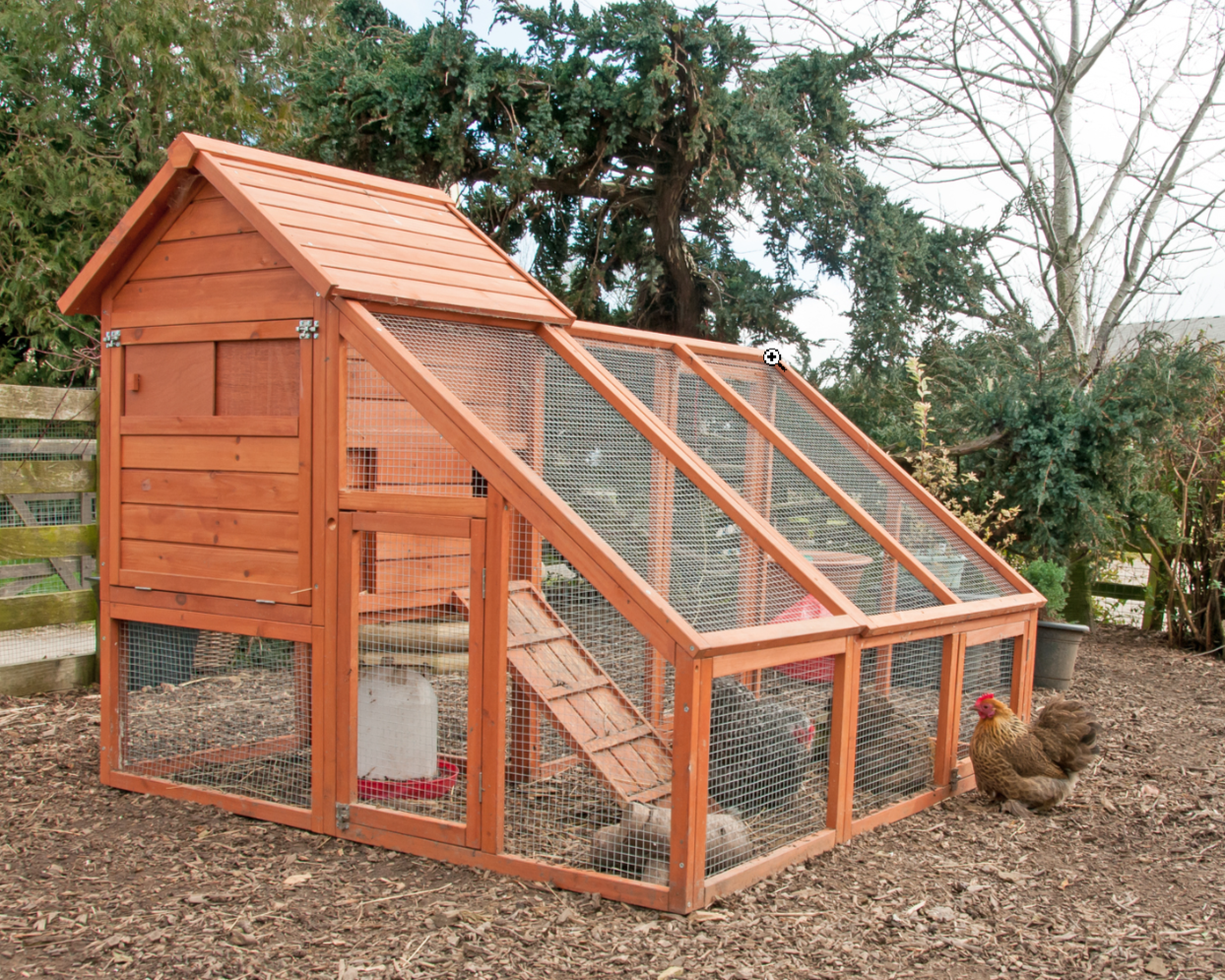
A safe, comfortable chicken coop should provide enough space for the flock, protection from predators and weather, good ventilation, dry bedding, secure roosting areas, and clean nesting boxes. The coop should also be easy for you to access so that feeding, watering, cleaning, and checking your birds can become part of your regular poultry care routine.
Avoid overcrowding, keep bedding dry, and regularly inspect the coop for damaged fencing, loose hardware, standing water, or other potential hazards. Good coop management helps create a cleaner, safer environment for the entire flock.
Chicken Coop Care & Management
Do not house new chickens in a chicken coop previously used by another flock until the coop has been thoroughly cleaned and disinfected. Provide spacious coops with adequate ventilation. Never mix chicks or growing birds with adults. If you must mix birds of another flock with your existing flock, quarantine the new birds for a few weeks to ensure they are disease free. Always isolate sick birds from the rest of your flock.
Poultry Healthcare
Preventive care is an important part of raising healthy poultry. Get to know what is normal for your birds so you can recognize changes quickly. Monitor appetite, activity level, droppings, breathing, feathers, eyes, combs, legs, and overall behavior.
Common warning signs that deserve attention include:
- Loss of appetite or drinking changes
- Unusual weakness or lethargy
- Difficulty breathing
- Persistent diarrhea or unusual droppings
- Lameness or difficulty walking
- Sudden changes in egg production
- Isolation from the rest of the flock
- Unusual swelling, discharge, or bleeding
If you notice significant or persistent health concerns, consult a veterinarian who is familiar with poultry. Vaccinate your flock against diseases common to your area. Avoid using medications or antibiotics unless recommended by a qualified veterinary professional.
Seasonal Poultry Care
Poultry care changes throughout the year. Temperature, daylight, molting, and weather conditions can all affect your flock’s needs.
Caring for Chickens in Hot Weather
Prepare your flock for the hot summer months by providing plenty of fresh, clean water and making sure your flock has access to shade and good airflow. Monitor birds closely for signs of heat stress during periods of extreme heat.
Cold Weather Chicken Care
Keep the coop dry and protected from drafts while maintaining adequate ventilation when prepping birds for colder weather. Continue checking water frequently to make sure birds have access to clean drinking water.
Caring for Chickens During Molting
Molting is a natural process in which chickens shed old feathers and grow new ones. During this time, birds may need additional nutritional support and should be protected from unnecessary stress.
Year-Round Poultry Care
Regular observation when raising chickens is one of the simplest and most important parts of poultry care. Adjust your flock’s management as weather, daylight, age, and other conditions change.
Caring for Baby Chicks
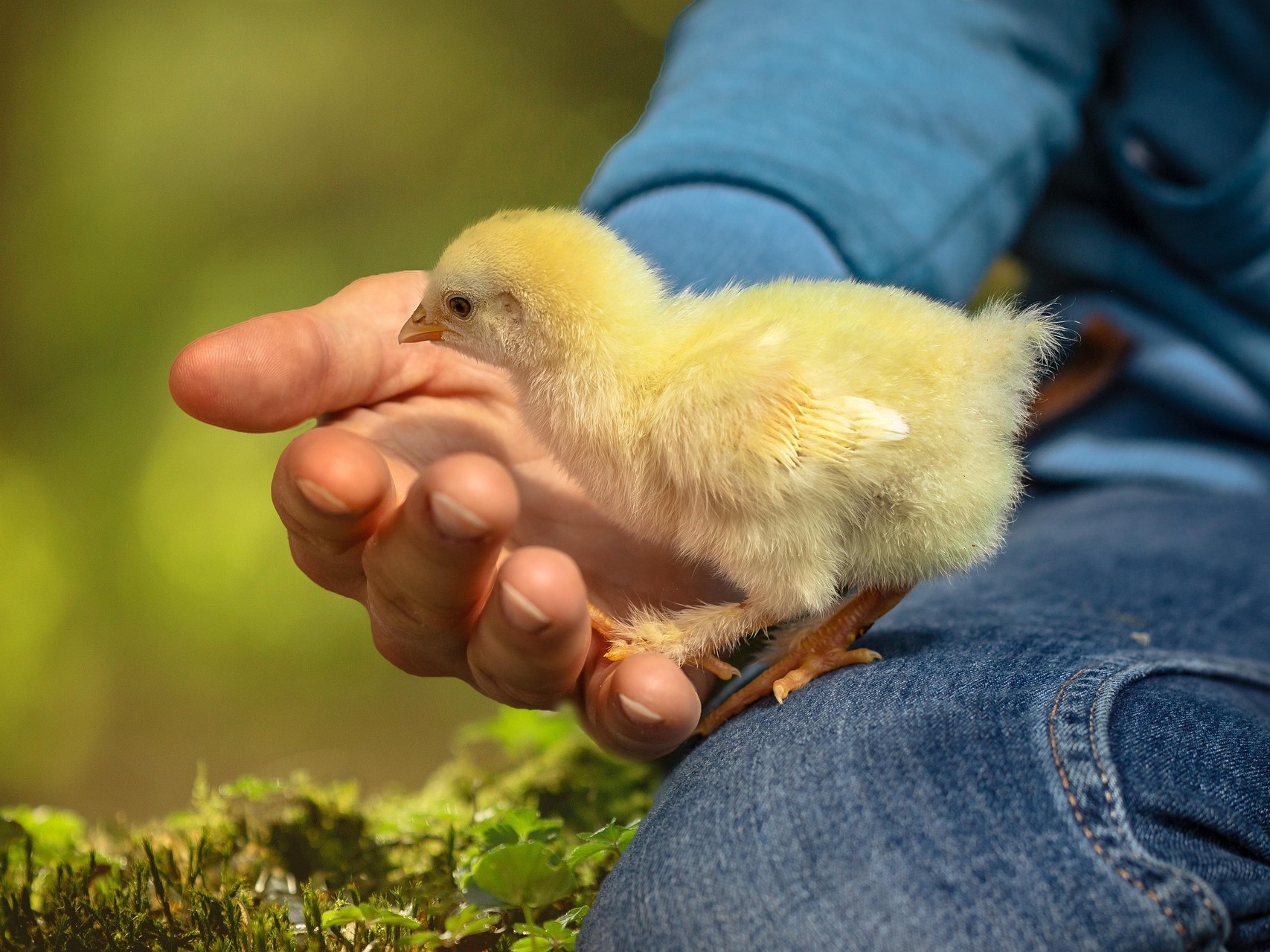
Baby chicks require additional attention during their first weeks of life. They need appropriate chick feed, clean water, safe housing, suitable temperature, and protection from drafts, overcrowding, and other hazards.
Watch chicks closely each day. Healthy chicks should be active, alert, eating, drinking, and moving comfortably around their brooder. Their behavior can also help indicate whether the brooder temperature is appropriate. If chicks are constantly huddled together, they may be too cold; if they are avoiding the heat source and panting, they may be too warm.
As chicks grow and develop feathers, their housing and temperature requirements change. Follow an age-appropriate feeding and chick care program and provide enough space for chicks to move away from the heat source when needed.
Temperature & Brooder Care
In order for young chicks to thrive, they need supplemental heat until they are adequately feathered and able to regulate their body temperature. A common starting point is approximately 90–95°F during the first week, followed by a gradual reduction of about 5°F each week as the chicks grow and feather out.
Rather than relying only on a thermometer, pay attention to chick behavior. Chicks that are tightly huddled beneath the heat source may be too cold, while chicks that move away from the heat, pant, or appear uncomfortable may be too warm. Provide enough space for chicks to move toward or away from the heat as needed.
Always use brooder equipment according to the manufacturer’s instructions and keep heat sources safely away from bedding and other combustible materials.
If Your Chicks Had a Hard Trip
Shipping is incredibly stressful for day-old chicks, and their survival over the first 48 hours depends on quick rehydration, proper warmth, and energy restoration. Mix a specialized chick electrolyte and vitamin powder into their water. If you don’t have this on hand, a quick emergency DIY solution is 1 tablespoon of sugar and 1 teaspoon of baking soda per gallon of warm water. Give your birds this special water mix for 3 to 4 days to revive them of the effects of shipping. Do not use cold water, as this can shock their system.
Pasty Butt in Chicks: What to Do
Pasty butt, sometimes called pasting up, is when droppings stick around a chick’s vent which can interfere with normal elimination if left untreated. When manure is stuck to the back of a chick, it’s important to remove this daily. Pull it off gently or, better yet, wash it off with a cloth and warm water. It will disappear in a few days as the bird starts to grow.
Feather Picking & Chick Picking
Picking can be a sign that something is wrong with the flock’s environment or management. Young birds may begin picking when they are too hot, overcrowded, stressed, or lacking appropriate environmental conditions. Check the brooder temperature, available space, ventilation, lighting, feed, and water if picking occurs. Separate injured birds when necessary and address the underlying cause rather than simply treating the visible injury.
When to Contact a Veterinarian
Regular observation is an important part of poultry care, but some problems require professional attention. Contact a poultry veterinarian if a bird is seriously injured, has difficulty breathing, becomes extremely weak, stops eating or drinking, develops persistent or severe symptoms, or if multiple birds in the flock become sick.
If you notice sudden illness or unexplained deaths in your flock, contact a vet or appropriate animal-health authority promptly. Learn how to keep healthy chickens by paying early attention to any issues that will help protect both individual birds and the rest of the flock.
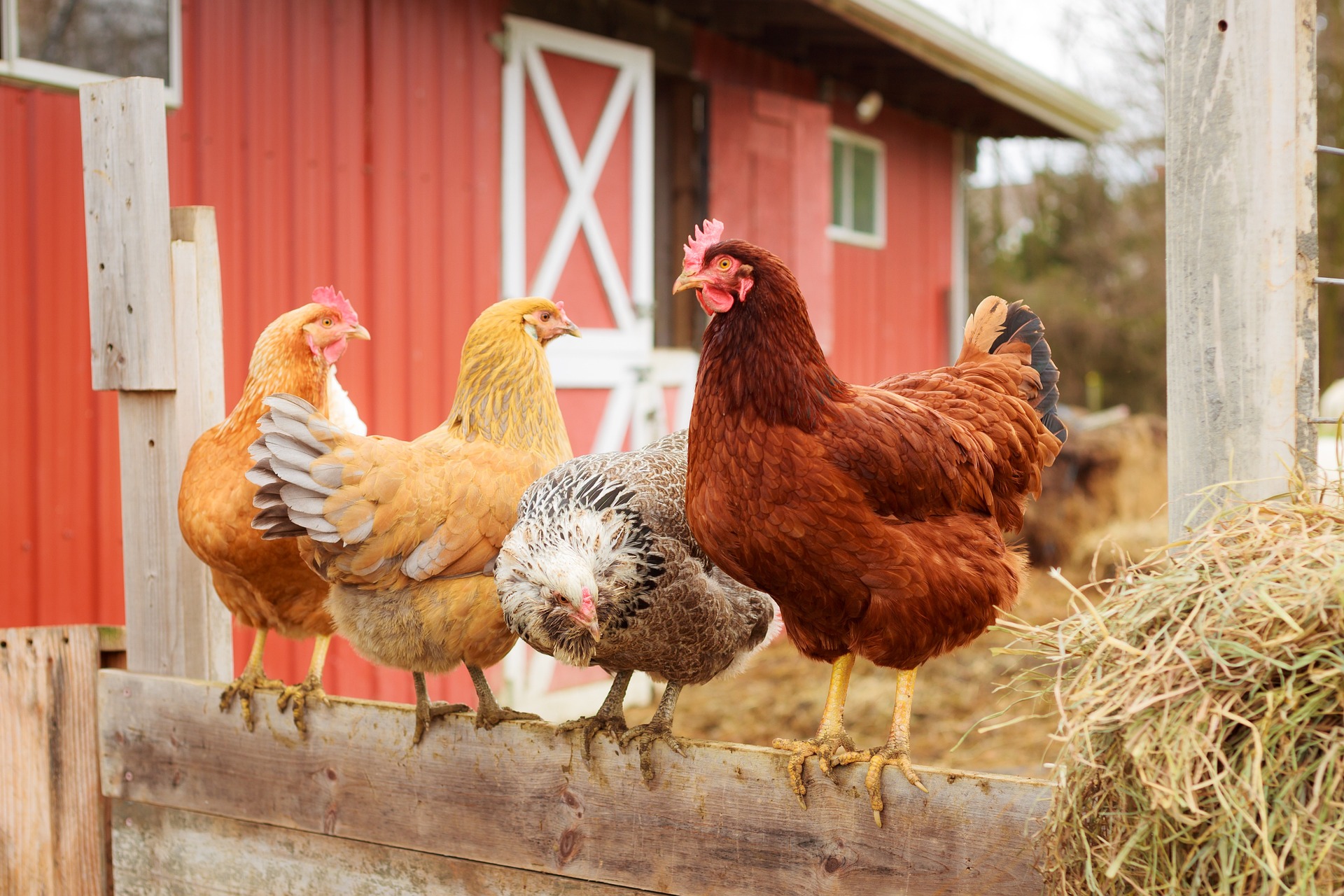
Healthy Flocks Start With Consistent Poultry Care
Successful poultry care does not have to be complicated. Providing a complete, age-appropriate diet, fresh water, safe and clean housing, appropriate temperature, and regular observation gives your flock a strong foundation for good health.
Every flock is different, and your birds’ needs will change as they grow and as the seasons change. By making daily poultry care part of your routine and learning to recognize what is normal for your chickens, you can identify potential problems sooner and help your flock stay healthy, active, and productive.
Who is Star Milling Company?
With decades of experience producing poultry feed, Star Milling understands that proper poultry care starts with providing birds with appropriate nutrition, clean water, and a safe environment. We are a local family-owned company in Southern California and are proud to be a Certified Safe Feed/Safe Food Facility. All ingredients are sourced from the U.S.A. and Canada, not from China. The owner of Star Milling and his family have been raising commercial poultry and in egg production for nearly 80 years and feed Ace Hi and Kelley’s feeds to their own birds.
For a complete list of articles on how to care for chickens and keep them healthy, check out our Poultry Care Corner. Also visit our Poultry FAQ page for more information on chicken nutrition, feeding schedules, and more.